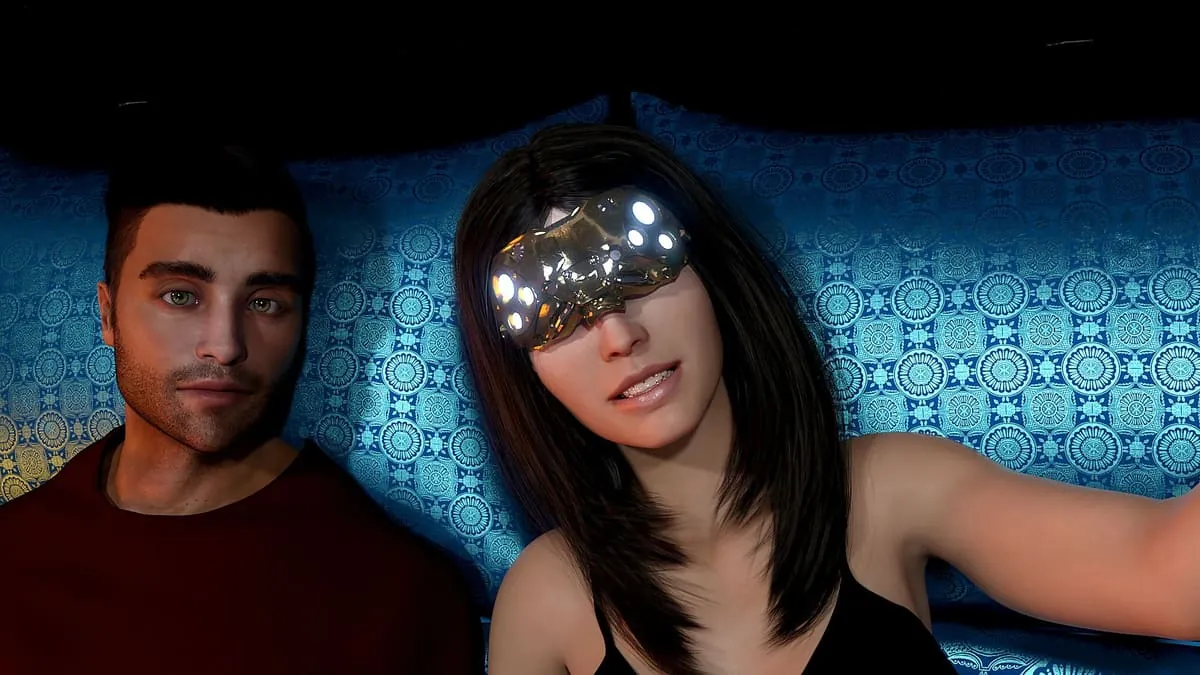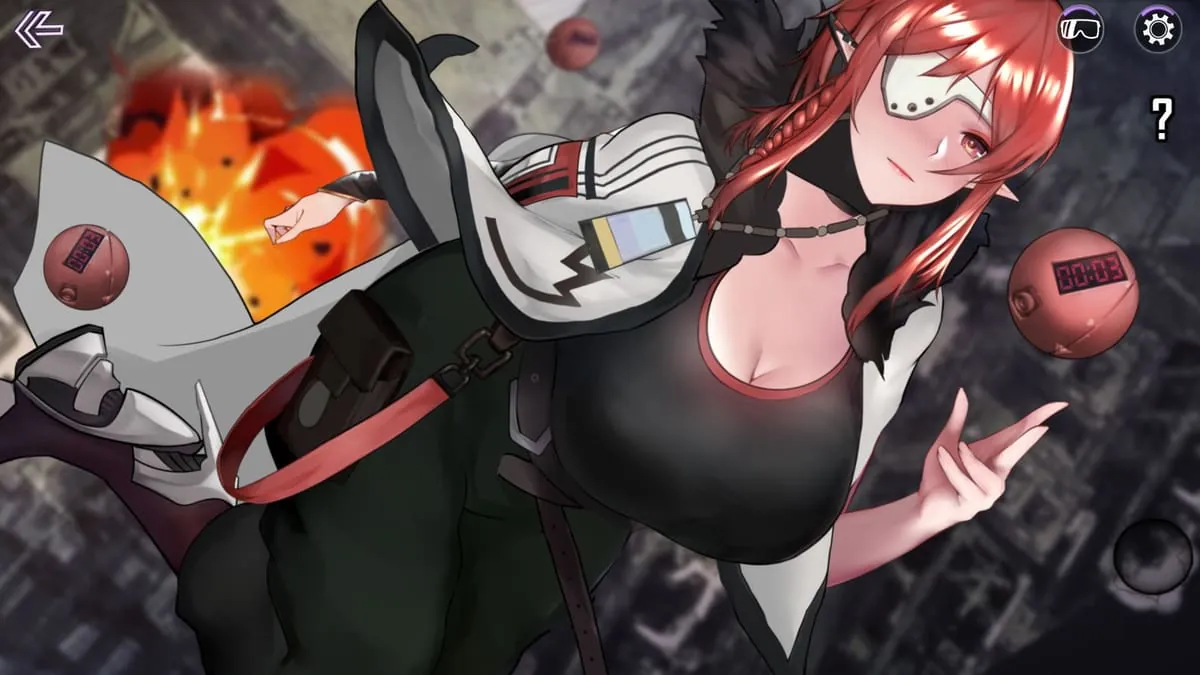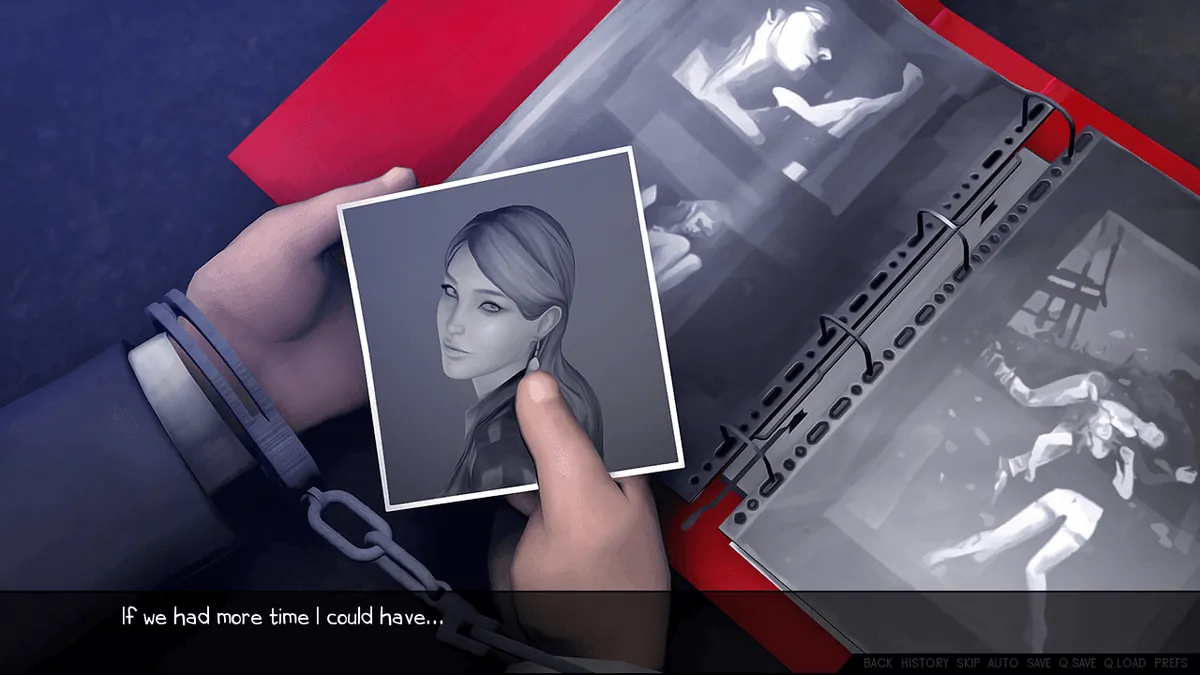
One Night Stand
Play One Night Stand
One Night Stand Screenshots


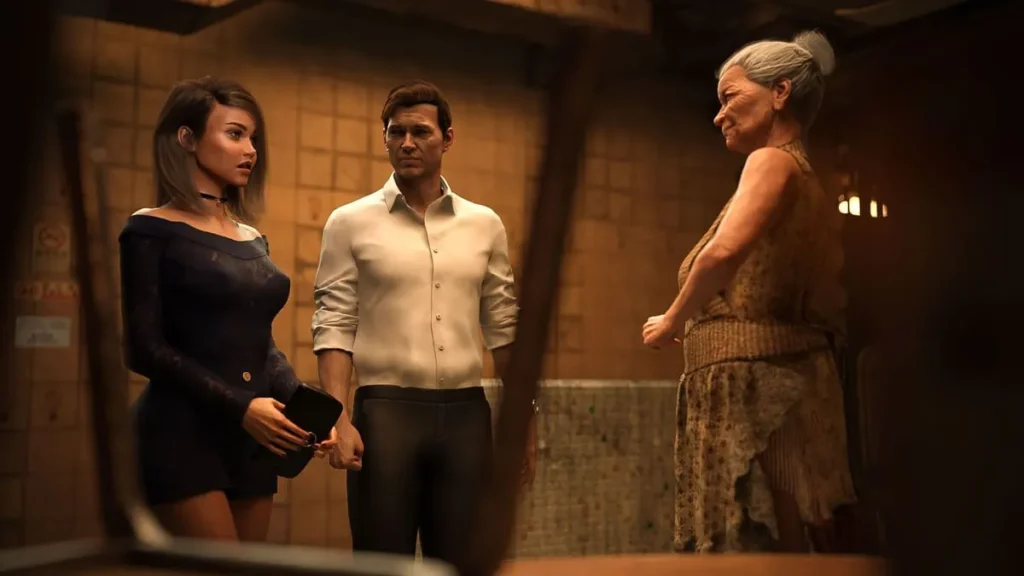



One Night Stand review
Discover how choices shape twelve endings in this short, interactive adventure about a drunken morning after
Have you ever wondered what happens after a drunken night fades into morning confusion? The visual novel One Night Stand by Kinmoku puts you right in that awkward, intriguing spot. In this game, you play as a man waking up beside a stranger, tasked with piecing together the previous night through exploration and conversation. Unlike traditional romance games, One Night Stand focuses on the consequences of your choices, leading to twelve distinct endings. Whether you’re curious about the gameplay mechanics or the emotional depth of this short experience, this guide breaks down everything you need to know about this unique interactive story.
What Is One Night Stand and How Does the Gameplay Work?
Understanding the Visual Novel Format in One Night Stand
When I first launched One Night Stand, I braced myself for a typical dating sim experience—lots of fluff, lengthy dialogues, and awkward pauses. Instead, what I discovered was something far more cunning. This interactive adventure game drops you straight into the aftermath of a wild party, waking up in a stranger’s bed with a splitting headache and zero memory of the night before. No introduction, no tutorial, just pure, disorienting reality.
The visual novel format here is stripped down to its essentials. You’re not scrolling through endless walls of text. Instead, the game presents a single, remarkably coherent scene—a bedroom with a few interactive objects and a person sleeping beside you. Your task is to piece together what happened, one clue at a time. The entire short visual novel experience clocks in at under ten minutes per playthrough, making it perfect for a lunch break or a quick mental puzzle.
What struck me most was how the game avoids explicit content. There are no explicit scenes shown on screen. Characters discuss the events of the previous night, but the most you’ll see is characters in underwear. The nudity is implied, veiled behind dialogue and your own imagination. This approach makes the story feel more like a conversation about a shared secret than a typical romance game. It’s intimate without being graphic, clever without being cheap.
Exploring Clues and Conversations: The Core Mechanics
The heart of One Night Stand gameplay mechanics lies in a simple loop: find clues and conversations that reveal fragments of the drunken night. The bedroom is your canvas. You can look under pillows, check the nightstand, inspect the wardrobe, and examine the bathroom. Each interaction uncovers a piece of the puzzle—a photo, a receipt, a message on a phone. These aren’t just set dressing; they are direct hints that influence how you understand the person beside you.
Once you’ve gathered enough context, you can engage in conversation. The dialogue system is minimal but effective. You choose from a handful of responses, each one reflecting your current understanding of the situation. The stranger reacts based on your tone and accuracy. Accuse them of something based on a wrong clue, and they’ll shut down. Show genuine curiosity, and they’ll open up.
Here’s a quick breakdown of how the core mechanics work together:
| Element | What It Does | Impact on Story |
|---|---|---|
| Exploration | Let you inspect objects in the room | Reveals background details and personal items |
| Clue Gathering | Collects items and information | Shapes your assumptions about the stranger |
| Conversation | Lets you ask questions and respond | Determines how much the stranger trusts you |
| Choice Impact | Branches the narrative path | Leads to one of twelve different endings |
Every object you examine and every line you speak feeds back into the story. It’s not about speed; it’s about attention. I missed a critical clue on my first run—a small note tucked inside a book—and ended up with a confusing ending where both characters parted coldly. On my second attempt, I found the note, and the whole conversation shifted. That’s the beauty of this One Night Stand visual novel: the clues are never pointless.
Pro Tip: Don’t rush the exploration phase. Spend time with each object. Even an empty cup can tell you something about the person who drank from it.
How Your Choices Drive the Story Forward
This is where One Night Stand truly shines as a Kinmoku game. The developer has crafted a system where every decision matters, but not in an obvious, game-y way. Some choices are dramatic—like whether to stay for breakfast or slip out the door. Others are subtle, like how you react when the stranger mentions a specific event from the night before.
The game tracks your choices in the background. It remembers if you were kind or dismissive, curious or guarded. These small moments accumulate and steer the narrative toward one of twelve different endings. I played through the game multiple times, and each run felt unique. One playthrough ended with a heartfelt goodbye and an invitation to meet again. Another ended with both of us laughing about the absurdity of the situation. A third ended with awkward silence and a quick exit.
What surprised me most was how the game handles replay value. Because the experience is so short, you’re encouraged to try different approaches almost immediately. Do you search the room first or wake the stranger up? Do you confess your confusion or pretend you remember everything? Each path reveals different layers of the story, and the Kinmoku game design ensures you never feel like you’re repeating the same content.
The dialogue options are where the real finesse lies. Some choices are clearly marked, while others blend into the conversation naturally. I remember a moment where the stranger asked if I remembered their name. I didn’t, but I could either admit it or bluff. Bluffing led to a different chain of responses than honesty. That attention to detail turns a simple morning-after scenario into a genuine interactive adventure game where your personality influences the outcome.
By the time I finished all twelve endings, I felt I had experienced a dozen different mornings with a dozen different people. That’s the power of a short visual novel experience when executed with care and thoughtfulness. You don’t need hours of gameplay to create meaningful interactions. You just need smart mechanics and a respect for the player’s intelligence.
One Night Stand offers a unique, short visual novel experience that challenges players to navigate the aftermath of a drunken encounter through choices and dialogue. With twelve possible endings, every decision you make reveals new hints about the night, creating a personalized story of fun, sorrow, love, and regret. While it lacks traditional romance elements, its interactive fiction style makes it an intriguing, albeit brief, adventure. If you’re looking for a game that prioritizes narrative consequences over length, One Night Stand is a compelling choice to try on Steam, Switch, or PC.