
2 Love Genex
Play 2 Love Genex
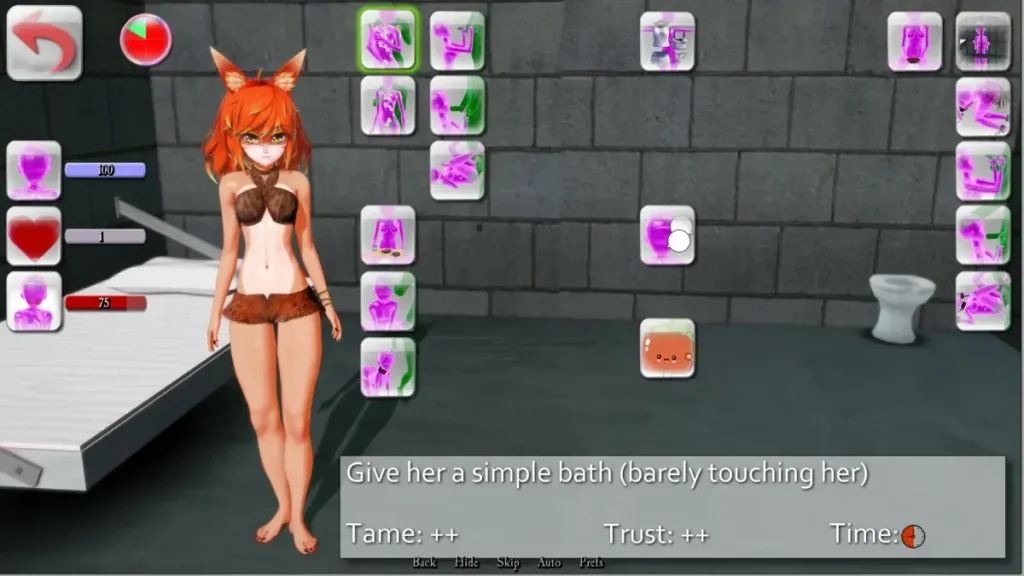
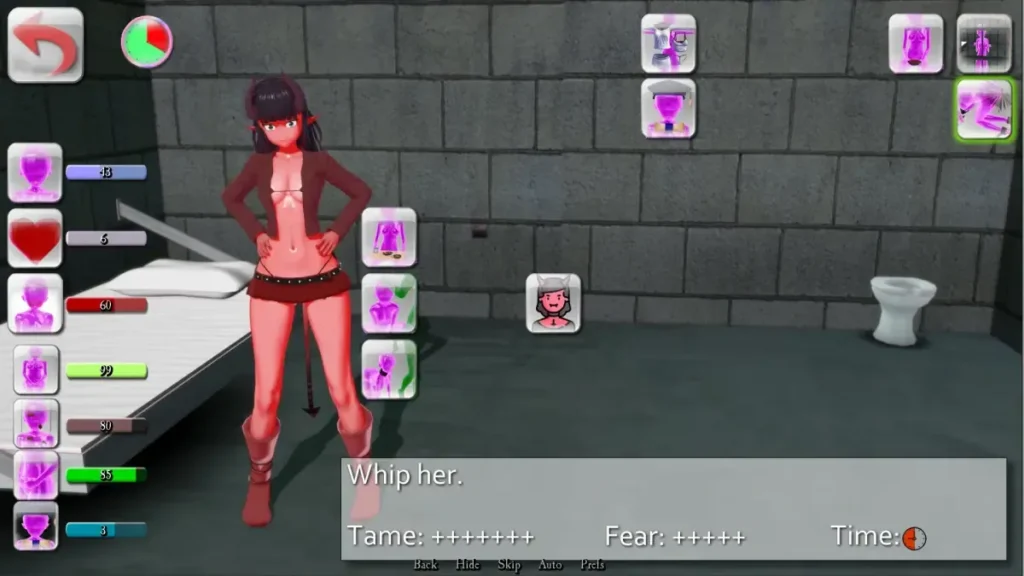
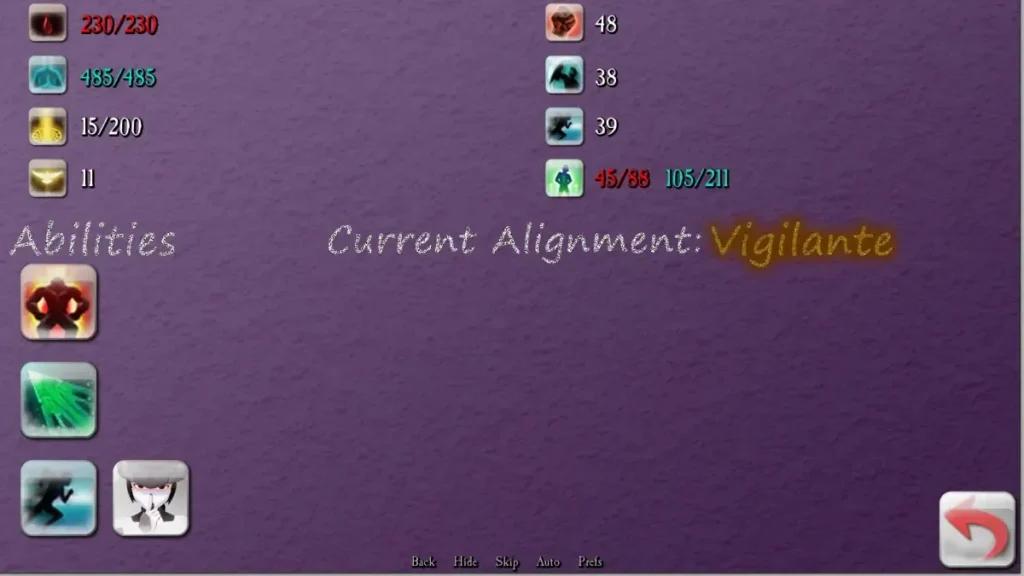
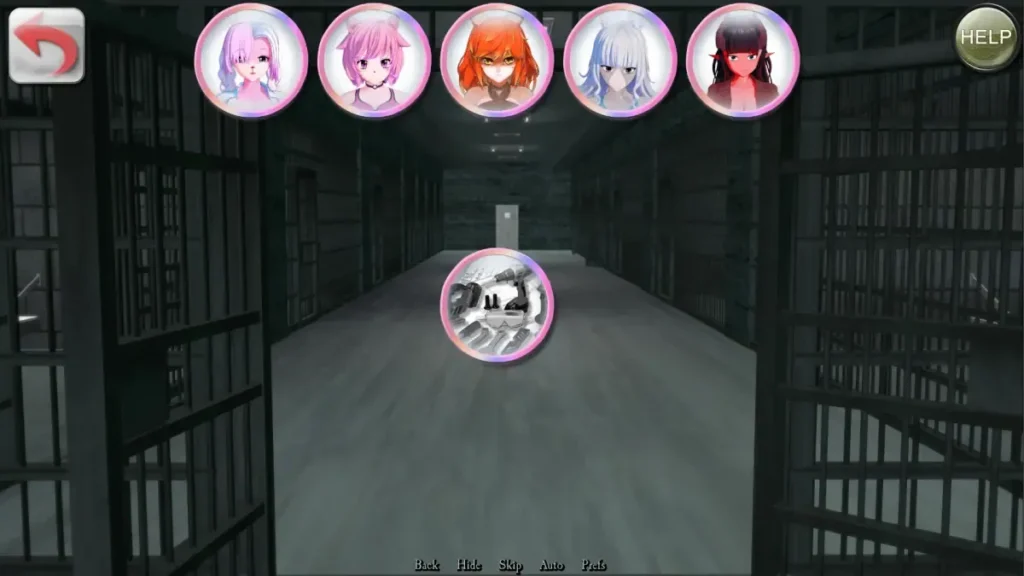
2 Love Genex Screenshots



















2 Love Genex review
Explore the branching narratives, character dynamics, and authentic choice systems that define this interactive adult experience
2 Love Genex stands out as a sophisticated interactive adult experience that prioritizes authentic consequence and meaningful player agency. Unlike linear narratives, this game redefines what interactive storytelling can achieve through its advanced branching narrative system, dynamic relationship mechanics, and persistent world memory. Whether you’re drawn to anime-inspired visuals, complex character development, or the thrill of genuinely impactful choices, 2 Love Genex offers a richly layered world where your decisions shape the entire experience. This comprehensive guide explores the core mechanics, character systems, and gameplay strategies that make this title a compelling choice for players seeking depth over superficial interactions.
Core Gameplay Mechanics & Narrative Engine
Let me tell you about the moment I completely wrecked my first playthrough of 2 Love Genex. I was so convinced that I could charm my way through every scenario with a perfectly calibrated mix of compliments and gifts. I had a spreadsheet open, for crying out loud. And you know what happened? The game punished me for it. One of the characters, a sharp-witted programmer named Veronica, called me out for being “performative.” She walked away from a key story event, and I lost access to an entire plot arc. It was frustrating, sure, but it was also the exact moment I understood what this game was really about.
That experience taught me the first rule of the 2 Love Genex branching narrative system. This is not a game you can “win” by gaming the system. The 2 Love Genex narrative engine is built to detect contrived behavior. It is designed to track the authenticity of your interactions, not just tally up points. The moment you start acting like a player instead of a person in a story, the world reacts to that.
How the Branching Narrative System Works
At its core, the interactive storytelling mechanics of 2 Love Genex operate like a finely tuned orchestra, where every choice you make is a note that gets woven into the music of your personal story. But unlike a linear song, this is a jazz improvisation. The tune changes based on what you play.
The system is built on a foundation of decision nodes. These are specific moments in the story where the game presents you with a choice. The magic, however, lives in the space between those nodes. The 2 Love Genex narrative engine does not just look at what you chose. It analyzes how you chose it. Did you hesitate? Did you select a dialogue option immediately, or did you let the timer run down? Did you offer a direct answer, or did you dodge the question?
Here’s how the branching path actually works under the hood:
- Primary Branches: These are the big, obvious forks in the road. Choosing to side with the corporate faction versus the underground resistance network, for example, opens up entirely different sets of chapters. These are visible and dramatic.
- Secondary Branches: These are more subtle. They determine the quality of your relationships. Choosing to hide a secret from one character versus telling them the truth creates a branch that influences how that character behaves in later scenes, even if the main plot stays the same.
- Micro-Branches: These are the smallest, most delicate choices. A specific phrase you use in a casual conversation might teach a character something about you. Hours later, that character might reference that exact phrase during a tense argument, creating a moment of genuine recognition.
The persistent world memory system is the backbone of all this. It remembers every interaction. I once made a passing joke about being afraid of the ocean in chapter two. Eight hours later, when a mission took me to a coastal facility, the character I was with turned to me and asked, “You sure you’re okay with this? I remember you don’t like the water.” I had forgotten I even said it. The game had not. This feature creates a living, breathing world where your past is never truly past. It comes back to inform the present.
One of the most impressive aspects of the 2 Love Genex narrative engine is how it handles concurrent storylines. You are not just walking down a single path. You are managing multiple relationships, competing factions, and personal goals simultaneously. A decision you make in one storyline can have a domino effect on another. For example, working late to help a friend with their project might make you miss a crucial social event with your love interest, causing that relationship meter to drop. This interconnectivity makes the world feel real and consequential.
To give you a clearer picture of how these systems interact, here is a comparison of the core mechanics that drive the story forward. These are the tools the 2 Love Genex narrative engine uses to build your custom story.
| Mechanic | Primary Function | Impact on Story |
|---|---|---|
| Dynamic Relationship System | Tracks emotional bonds, trust, and affection with individual characters. | Unlocks personal story arcs, unique dialogue options, and determines character loyalty during critical conflicts. |
| Persistent World Memory | Logs every player action, dialogue choice, and observed event for the entire playthrough. | Creates callbacks to past events, alters character perceptions, and changes available plot paths based on history. |
| Multi-layered Progression | Advances the main plot, character skills, personality traits, and social reputation simultaneously. | Determines which challenges are accessible, which solutions are viable, and how the world reacts to your character’s growth. |
This table illustrates that you are not just leveling up a statistic. You are building a history. The persistent world memory system ensures that your history is read and referenced, making every hour of play feel valuable.
Understanding Relationship Meters and Hidden Flags
Let me be honest with you. When I first saw the relationship screen in 2 Love Genex, I felt a familiar itch. I wanted to fill those bars all the way up. I wanted to see them capped. But the game is cleverer than that. It knows what you are doing.
The visible relationship meters and hidden flags work in tandem. The meter is the public face. It shows you a general level of trust or affection. It gives you a broad sense of where you stand. But the hidden flags? Those are the real story.
Hidden flags are invisible variables that track subtle nuances in your interactions. The game does not tell you about them. You have to infer their existence from the consequences. For example, a character might have a hidden flag for “Honesty.” Every time you lie to them, that flag gets a mark. You cannot see it. The visible relationship meter might stay high if you are charming enough. But when a critical moment arrives, that “Honesty” flag will trigger. The character might suddenly refuse to trust you with a crucial secret, even though your relationship meter says you are best friends. The meter was a lie. The flag was the truth.
Here are some common types of hidden flags that the 2 Love Genex branching narrative relies on:
- Trust Flags: Accumulated by keeping promises and being vulnerable. Low trust can cause characters to withhold information.
- Respect Flags: Earned through competence, integrity, and standing up for your beliefs. Low respect leads to characters dismissing your advice.
- Romantic Interest Flags: This is not just a single bar. There are flags for physical attraction, emotional connection, and intellectual compatibility. You might fill one but neglect the others.
- Rivalry Flags: Some characters respond to competition. Pushing them too hard in a professional setting can trigger a rivalry flag, changing their behavior from supportive to antagonistic.
The dialogue choices impact story far more than you might initially suspect. A single throwaway line can set a hidden flag that affects outcomes twenty hours later. I remember a playthrough where I casually sided with a side character during a minor dispute. I thought nothing of it. Five chapters later, that side character had become a major player in the main conflict, and because of that old flag, they remembered my support and offered me a critical alliance.
This design discourages min-maxing. You cannot game a system you cannot fully see. The best strategy is to let go of the idea that you are collecting points. The game is not a vending machine where you put in a compliment and get back a specific outcome. It is a conversation. It rewards authenticity.
Making Choices That Matter: Authentic Consequence Design
This is the heart of the matter. The principle of authentic consequence game design is what separates 2 Love Genex from other story-rich titles. Most games give you the illusion of choice. You pick option A or option B, and the story reroutes slightly before dumping you back onto the main track. This game does not do that.
Authentic consequence game design means that every decision carries weight because the world is programmed to respect the spirit of your choice, not just the letter. The system asks a deeper question: “What kind of person are you trying to be?” and then builds a story around that answer.
Consider a scenario where you are caught in a lie. In a standard game, you might have a “Persuade” skill check. Roll high enough, and the problem goes away. In 2 Love Genex, the consequences are not so easily dismissed. The character you lied to will remember. They will bring it up. Your relationship meter might take a permanent hit that no amount of gifts can repair. You have damaged the trust, and the game treats trust as a fragile, valuable resource.
This system rewards you for genuine role-playing. If you are playing a character who is honest to a fault, even when it hurts, the story will bend to accommodate that integrity. You might lose immediate opportunities, but the long-term narrative will often reward you with unexpected alliances or moments of genuine emotional payoff.
Here is some practical advice for how to approach decision-making in 2 Love Genex:
- Go with your gut. Do not pause to calculate the optimal outcome. Your first instinct is usually the most authentic response for the character you are building.
- Embrace failure. Some of the most compelling story arcs in my playthroughs came from making bad choices. Losing a key ally or blowing a critical negotiation opened doors to narrative paths I never would have seen otherwise.
- Avoid save-scumming. Constantly reloading to “fix” a bad outcome breaks the persistent world memory system. The game is designed to flow from your decisions. Let the story happen.
- Listen to your emotions. If a choice makes you feel uncomfortable, that is usually a sign that it is significant. Lean into that discomfort. The best stories often come from the hardest choices.
The dialogue choices impact story in a way that feels organic because the game is not just checking a box labeled “Good” or “Evil.” It is checking for consistency. If you are consistently kind to one character and harsh to another, the game recognizes that pattern and starts writing scenes that reflect that dynamic. It feels personal because it is personal.
One of the most impressive results of this design is the replayability. I have finished three full playthroughs of 2 Love Genex, and each one felt like a completely different story. The first time, I played a diplomatic, people-pleasing character. The second time, I played a ruthless pragmatist. The third time, I deliberately played a flawed, indecisive character. The 2 Love Genex branching narrative accommodated each approach, creating unique conflicts and endings that reflected my specific choices. I never felt like I was just re-skinning the same story.
Frequently Asked Questions
How exactly do my choices affect the long-term outcomes in 2 Love Genex?
Every dialogue choice and action you take is logged by the persistent world memory system. This data is used to determine which narrative branches are accessible later in the game. For example, a series of compassionate choices might unlock a peaceful resolution to a major conflict, while a series of aggressive choices might close that path entirely and open a combat-focused alternative. The game builds a profile of your character’s personality and uses that profile to tailor the final chapters and endings.
Is it possible to undo a decision after I make it?
The game is designed around the permanence of choice. There is no built-in “undo” mechanic. This is intentional. The authentic consequence game design relies on the weight of your decisions. However, the game does offer opportunities to change your character’s trajectory over time. A string of bad choices can be partially redeemed by a long period of consistent good behavior, but the past is never completely erased. Characters will remember your failures.
How does the game track my actions across different playthroughs?
Generally, each playthrough is a separate timeline. The persistent world memory system resets when you start a new game. However, there are some meta-narrative elements that acknowledge your previous playthroughs. Certain characters might make cryptic comments that hint at events from a past timeline, especially in the New Game Plus mode. This creates a sense of a multiverse where your choices echo across realities.
What happens if I ignore a character’s personal storyline?
The game will adapt. If you fail to engage with a character’s side quests or personal drama, that character will remain a background figure. Their major plot points might resolve off-screen, or they might become a neutral, uninvolved party in the main conflict. You might lose access to their unique skills or alliances, which can make certain challenges more difficult. The story does not punish you for missing content, but it also does not hand it to you. It moves on, reflecting your priorities.
Can I completely change my character’s personality halfway through the game?
You can, but the transition will be jarring, and the game will treat it as a character flaw. The 2 Love Genex narrative engine tracks consistency. If you start as a kind person and suddenly become cruel, characters will comment on this shift. They will distrust your motives. It can lead to interesting story outcomes where your character is seen as unpredictable or unstable, but it is unlikely to be a smooth, effortless transition.
2 Love Genex represents a significant evolution in interactive adult gaming by placing genuine player agency at its center. The sophisticated narrative engine, dynamic relationship systems, and commitment to authentic consequence create an experience where your choices genuinely matter. From the detailed relationship meters that track every interaction to the persistent world memory that remembers your decisions hours later, every element reinforces the core principle that your voice shapes the story. The game’s anime-inspired visuals, multiple heroines, and dozens of major story branches ensure strong replayability, making each playthrough a unique journey. Whether you’re seeking meaningful character connections, branching narratives with real consequences, or a deeper level of interactivity than typical linear experiences, 2 Love Genex delivers a compelling blend of storytelling depth and engaging mechanics. Dive into this richly layered world and discover how your authentic choices create a truly personalized romantic adventure.