Unnatural Instinct
Play Unnatural Instinct
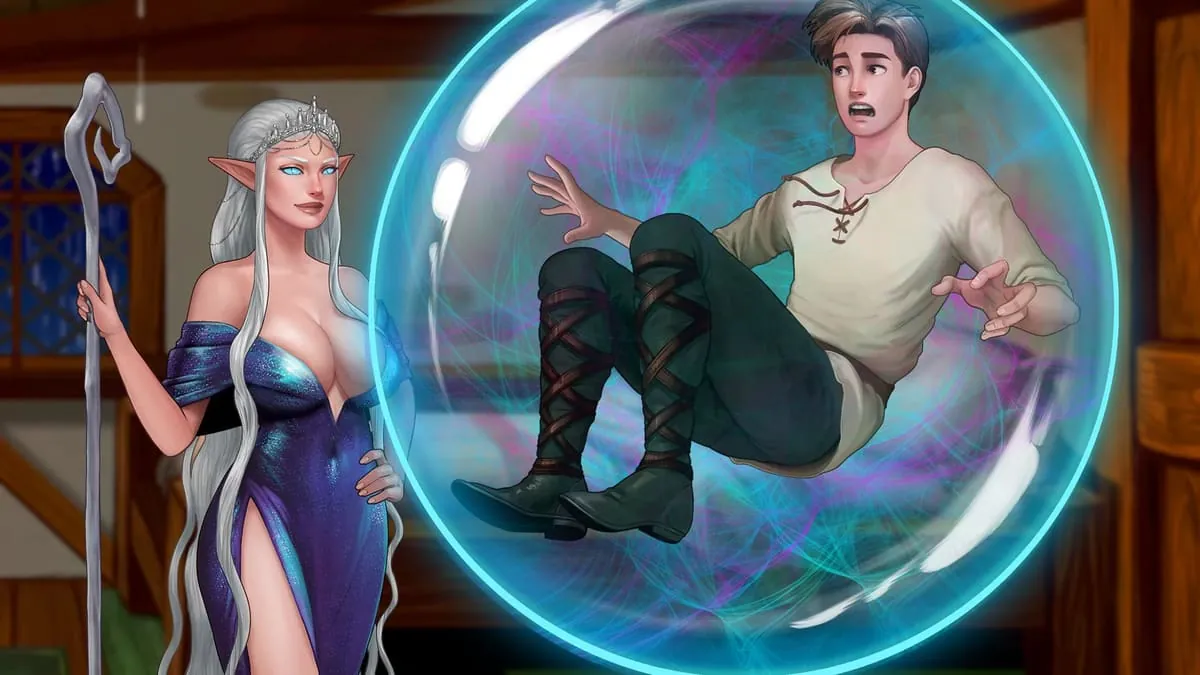
Unnatural Instinct Screenshots


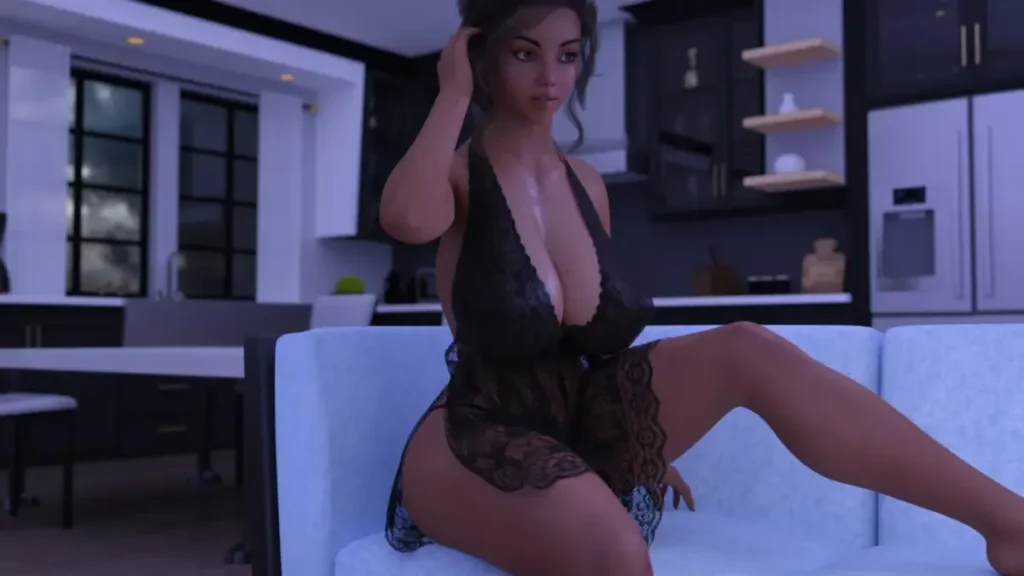
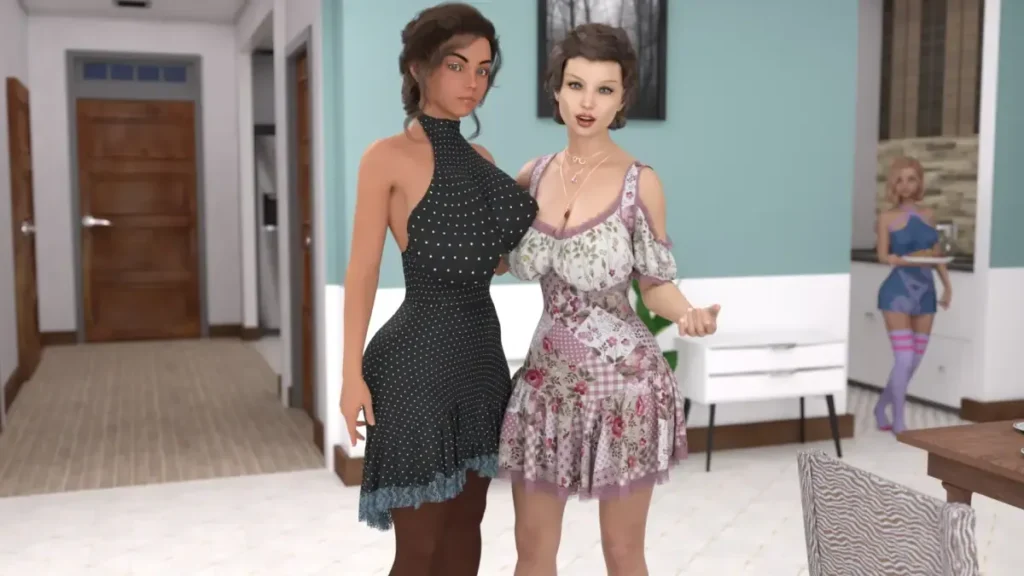

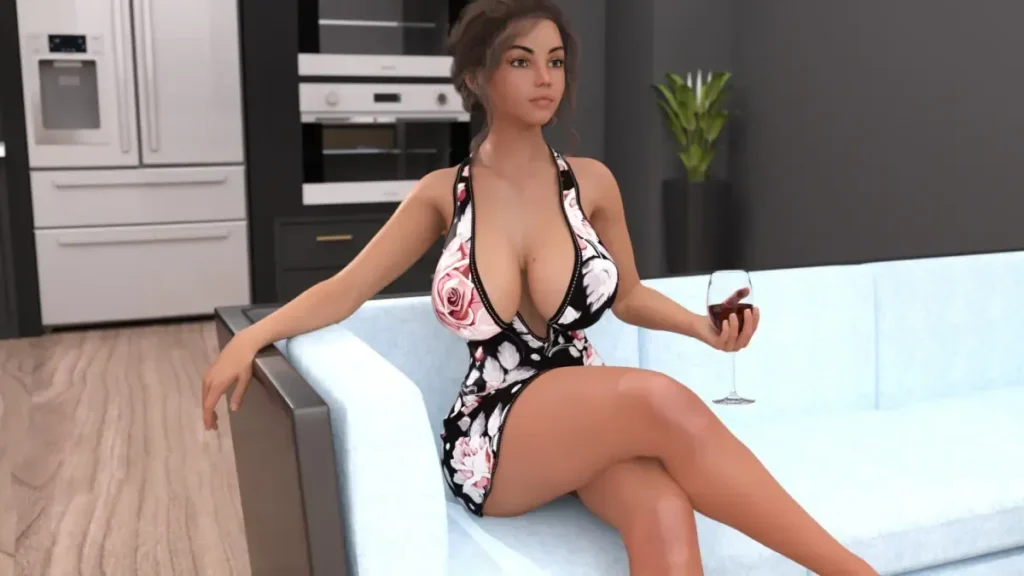
Unnatural Instinct review
Explore the gripping story, mechanics, and thrills of this adult visual novel
Ever felt that pull toward something forbidden, where every choice blurs the line between control and surrender? That’s the hook of Unnatural Instinct, the captivating adult visual novel by Merizmare that’s got players hooked in version 0.8.5. I remember my first playthrough—trapped in a shadowy manor, unraveling a ritual that twisted my desires into something primal. This Unnatural Instinct game isn’t just steamy scenes; it’s a psychological maze of power plays, hidden motives, and branching paths that make you question your own instincts. Whether you’re chasing romance, mystery, or intense encounters, this guide breaks it all down with tips to maximize your experience. Let’s dive in and see why it’s dominating searches for Unnatural Instinct porn game.
What Makes Unnatural Instinct So Addictive?
You know that feeling when you step into a place that seems to breathe? I’m not talking about a stuffy room, but a location that feels alive, its atmosphere shifting with your own mood. That was my first, unforgettable impression of the Unnatural Instinct premise. I’d just arrived at the foreboding Aethelred Manor, a guest—or perhaps a prisoner—of the enigmatic Heir, and the very corridors seemed to pulse with a silent watchfulness. The game masterfully crafts this Unnatural Instinct story setting, a grim, modern gothic world where the opulence is undercut by decay and every interaction feels charged with unspoken rules. You play as an outsider, a person of modest means suddenly ensnared in a glittering, treacherous web of the influential and corrupt. It’s a world of social labyrinths where a wrong word can be as dangerous as a knife, and your survival hinges on navigating a fascinating tension between self-preservation and a growing, dark fascination with the power circling you. Subtle, eerie hints of something more—something supernatural—lick at the edges of reality, but the true horror and thrill are deeply, compellingly human.
So, what is Unnatural Instinct game at its heart? It’s a psychological playground. It’s a visual novel where your currency isn’t strength or magic, but perception, manipulation, and the choices you make in the face of immense pressure. The Unnatural Instinct premise isn’t about defeating a monster in a dungeon; it’s about understanding the monsters in the drawing room and deciding whether to flee from them, join them, or become something else entirely. Your goal is never just stated—it’s discovered, warped, and often betrayed by your own emerging instincts as you delve deeper into the game’s captivating mystery.
Unveiling the Core Premise and Setting
The genius of the Unnatural Instinct story setting is its chilling plausibility. 😰 You’re not in a fantasy kingdom, but a version of our world where old money, secret societies, and subtle corruption hold sway. The Aethelred Estate is a character itself—a beautiful cage of marble, dark wood, and shadows where time moves differently. This setting does more than provide a backdrop; it actively participates in your psychological unraveling. The grandeur imposes a hierarchy, the silence feels accusatory, and the isolated location ensures there’s no easy escape. You must engage.
Within this pressure cooker, the core Unnatural Instinct premise unfolds: you must navigate complex relationships with a cast of powerful, flawed, and dangerously attractive characters. Each represents a different facet of this corrupt world—ambition, hedonism, cold intellect, or broken idealism. Your role is to learn their secrets, align with or against their interests, and constantly weigh the cost of every alliance. The game brilliantly frames your journey not as a heroic quest, but as a fight for relevance and identity within a system designed to chew up and spit out the unprepared. The question isn’t just “what will you do?” but more importantly, “who will you become to survive?”
How Psychological Themes Drive the Experience
This is where Unnatural Instinct truly separates itself. Its addictive power doesn’t come from cheap shocks, but from its relentless, sophisticated exploration of Unnatural Instinct psychological themes. The game is a masterclass in weaving complex mental and emotional concepts directly into its interactive fabric.
The most immediate theme is the power dynamics in Unnatural Instinct. From the moment you accept the Heir’s invitation, you are in a subordinate position. They hold the wealth, the knowledge, and the control. Your early choices often feel like variations on obedience. However, the game subverts this by making your compliance active and considered. Do you follow a command meekly to avoid conflict? Do you perform it with rebellious flair to assert your spirit? Or do you find a third, cunning way to fulfill the letter of the request while undermining its intent? This constant negotiation of control is electrifying. 💥
Closely tied to this is the game’s pioneering approach to Unnatural Instinct consent mechanics. This isn’t a simple “yes/no” toggle. Consent here is about complicity. You are repeatedly placed in situations where to progress, you must actively participate in the manor’s rituals and schemes. Solving a puzzle might advance an arcane ceremony; uncovering a secret might give you leverage, but also binds you deeper to the secret-holder. The game forces you to ask: “By choosing to play this game, by choosing to be clever and engage, what am I agreeing to?” This blurs the line between victim and participant in a profoundly unsettling way.
Finally, the theme of identity is central. The “Unnatural Instinct” of the title refers to the desires and traits that surface within you under pressure. Are these your true self, or a persona created by the Heir’s manipulation? The game expertly creates this blur, making you question every “instinctive” choice you make.
To see how these themes directly translate into your experience, let’s break them down:
| Theme | Gameplay Exploration | Player Impact |
|---|---|---|
| Power & Control | Negotiating commands, forming alliances, using information as a weapon. | You feel the tension between submission and rebellion, shaping your relationship style. |
| Consent & Complicity | Active participation in rituals; choices that advance others’ goals to achieve your own. | Creates moral unease and a deep sense of personal responsibility for the story’s direction. |
| Identity & Selfhood | Tracking “Instinct” alignments (e.g., Obedient, Cunning, Defiant) through dialogue and actions. | Your recorded instincts begin to influence dialogue options and how characters perceive you, literally changing who you can be. |
Why Player Choices Feel So Personal
Many games offer choices; Unnatural Instinct makes you own them. The game’s structure ensures there are no purely “good” or “safe” options—only consequential ones. Let me share a moment from my playthrough that cemented this. I was tasked with retrieving a rare book to help a character, Elara, with a personal ritual. I saw it as a puzzle to solve, a way to earn her trust. I succeeded, feeling clever. But in the next scene, as she used the book in a ceremony that visibly changed her, her grateful smile felt like an indictment. My cleverness hadn’t just solved a puzzle; it had actively enabled something profound and irreversible. I wasn’t just watching a story—I was complicit in its turning point. This is the genius of the Unnatural Instinct consent mechanics. You are never a passive observer.
Another time, I decided to resist a clear temptation, choosing the moral high ground. I felt proud of my character’s integrity. Two chapters later, that very act of resistance was used as proof of my “disloyalty” by another character, leading to a brutal betrayal. The game remembers everything, and its world doesn’t reward nobility—it tests it. 😟 These Unnatural Instinct psychological themes of consequence and blurred morality make every decision weigh a ton.
Here’s my actionable advice for new players: start tracking your Instinct alignments from your very first choice. The game subtly tallies whether you lean toward Obedience, Cunning, Defiance, or other traits. Don’t just roleplay moment-to-moment; have a loose idea of the type of person you’re trying to be, or become. This foresight unlocks more coherent and powerful narrative branches later. For example, consistently choosing Cunning options will eventually open paths of manipulation and secret-sharing that are closed to a purely Obedient player.
This depth is why the game is endlessly replayable. A different instinct path isn’t just a few changed lines; it can alter alliances, unlock entirely different scenes, and reveal new facets of the characters and the central mystery. You’re not replaying for a “good ending,” but to explore a different facet of the story’s dark jewel—and a different facet of yourself.
‘The fear comes from realizing you’re making irreversible choices shaping your identity under duress.’
Unnatural Instinct pulls you into a world where every instinct counts, blending mind-bending puzzles, deep character bonds, and choices that linger long after the screen fades. From the manor’s eerie shifts to the pulse of hidden secrets, it’s a journey of power, desire, and self-discovery that keeps me coming back for more playthroughs. If you’re ready to embrace the thrill, fire up version 0.8.5, experiment with your instincts, and chase those branching paths. What’s your first big decision going to be? Dive in today and let the game reshape you.