Tales from the Unending Void
Play Tales from the Unending Void
Tales from the Unending Void Screenshots



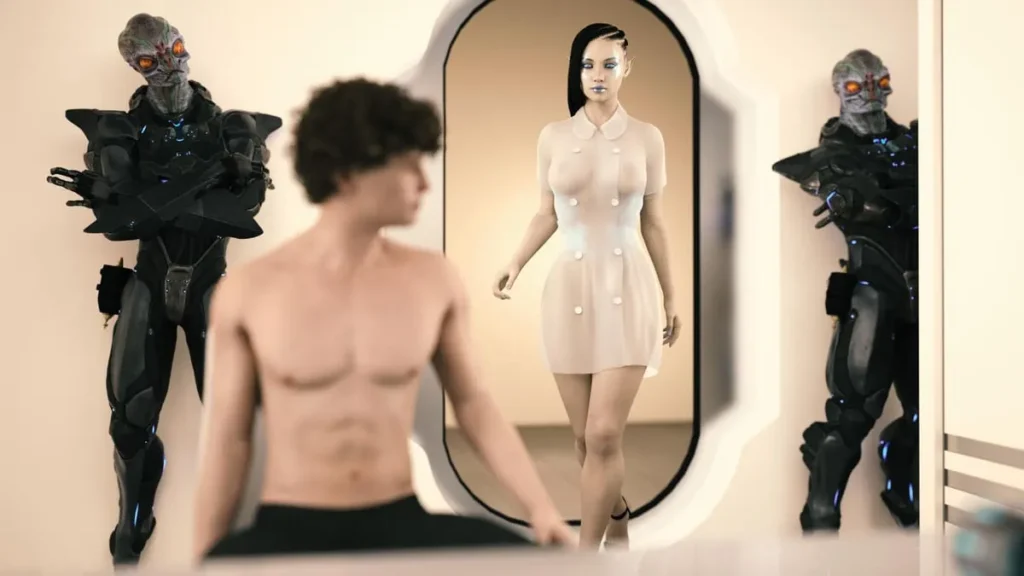
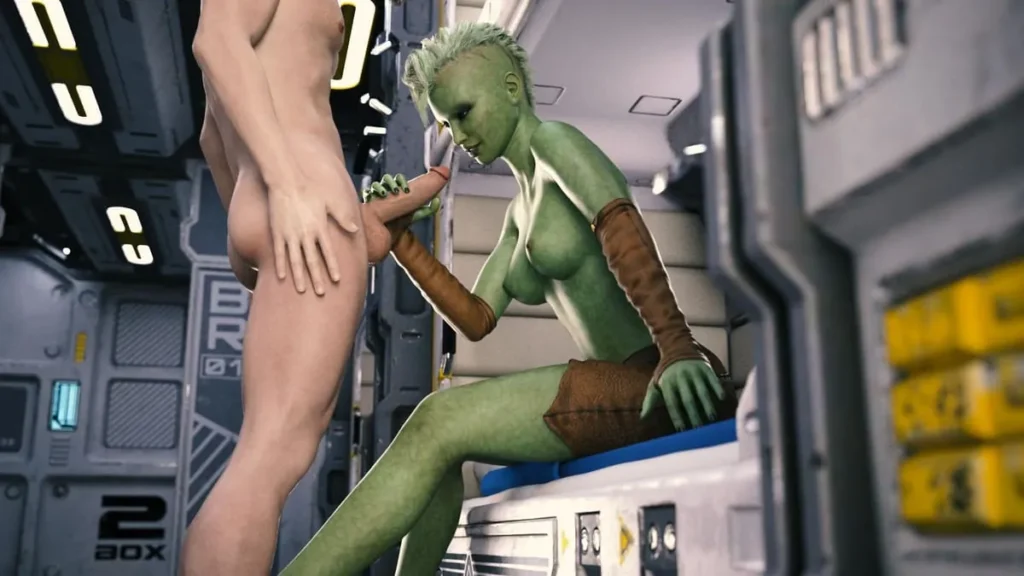
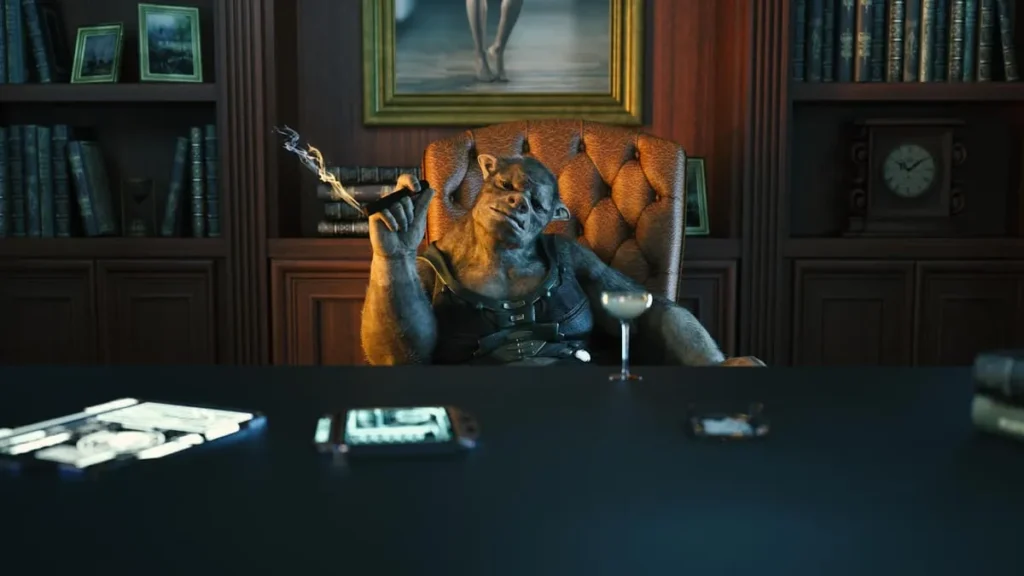
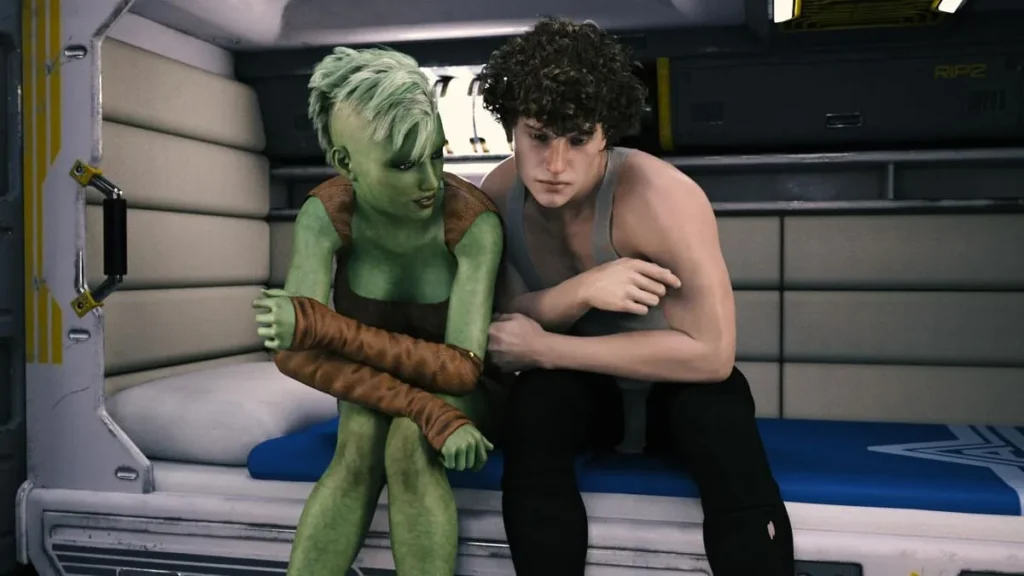










Tales from the Unending Void review
Explore the branching narrative, character relationships, and gameplay mechanics of this sci-fi visual novel
Tales from the Unending Void stands out as an ambitious sci-fi visual novel that combines narrative-driven storytelling with player choice mechanics. This game series spans multiple seasons, each containing episodic content that unfolds across a branching storyline. Players navigate through a space-faring adventure where dialogue decisions influence relationships, unlock unique scenes, and shape the overall narrative direction. With over 5000 renders and 250+ animations, the game emphasizes visual storytelling and character development. Whether you’re interested in understanding the gameplay mechanics, exploring character romance options, or learning about the story progression across seasons, this guide provides essential insights into what makes this title unique in the visual novel genre.
Understanding the Core Gameplay and Story Structure
So, you’ve started your journey into the vast, star-flecked darkness of Tales from the Unending Void 🚀. You click, a beautiful scene loads, characters speak, and then… a choice appears. This is the heartbeat of the experience. At its core, the Tales from the Uncoming Void gameplay is about immersion through interaction. You aren’t just watching a sci-fi saga unfold; you’re steering its emotional course with every decision, big or small.
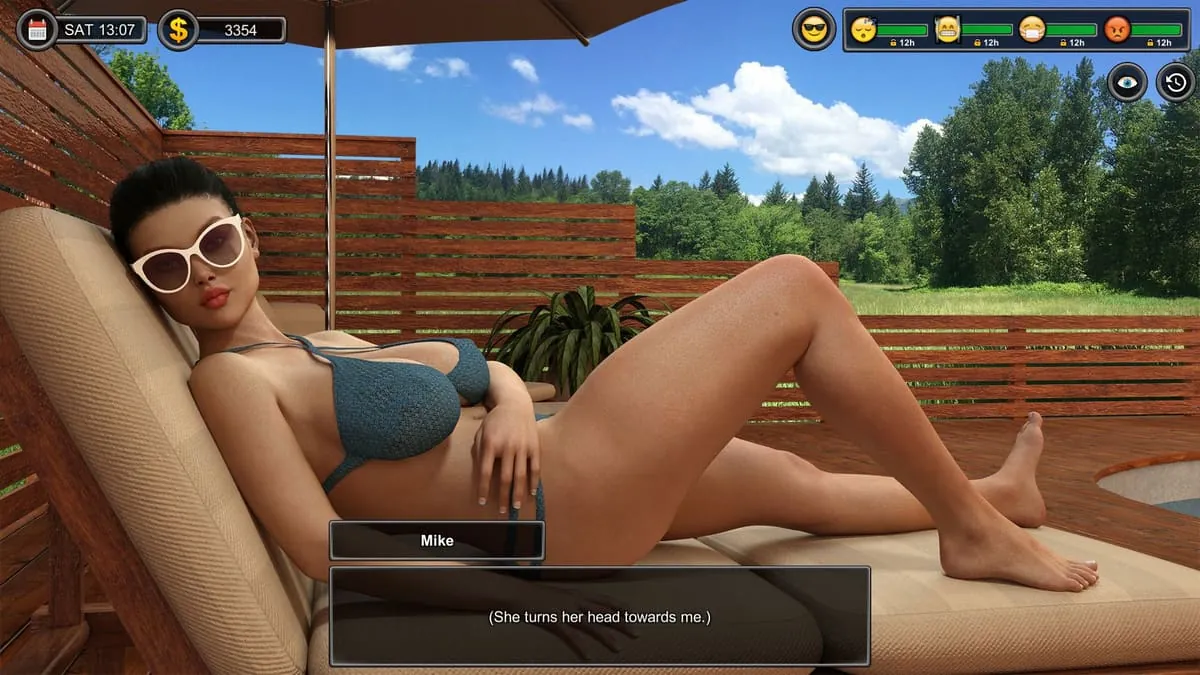
This isn’t a game of complex combat or intricate puzzles. The primary interaction is clicking to advance the story and, crucially, selecting options during conversations. This dialogue decision system is your command console. It’s how you define your character, influence your crew, and ultimately shape your unique version of the narrative. Think of it less as piloting a starship and more as navigating the infinitely more complex social dynamics within it. The visual novel story progression is driven entirely by your engagement with these moments, making you an active participant in the tale.
How Choice-Based Mechanics Shape Your Experience
The magic—and sometimes the tension—of this branching narrative game lies in how it handles your choices. If you’re coming from games with wildly divergent “good/evil/chaotic” paths that split the plot into entirely different stories, adjust your expectations slightly. Tales from the Uncoming Void employs a more nuanced, relationship-focused approach to its choice-based visual novel mechanics.
Here’s the key insight: your decisions primarily sculpt character relationship mechanics and scene availability, rather than rerouting the central plot onto completely different tracks early on. The main storyline’s major beats will generally progress, keeping the epic sci-fi narrative on course. But how you reach those beats, who trusts you, who loves you, and who will follow you into a black hole changes dramatically.
My Personal Playthrough Tip: On my first run, I played as the quintessential “nice guy” captain, always choosing supportive, understanding options. I unlocked several heartfelt scenes and built strong alliances. On a second save, I embraced a more cynical, demanding personality. The core missions were the same, but the atmosphere on the ship was colder, dialogue was spikier, and I accessed completely different private scenes that reflected my harsher reputation. It felt like a genuinely different social experience.
This is powered by two interconnected systems:
-
The Personality Spectrum: Throughout the game, you can lean into an understanding/compassionate approach or a harsh/demanding one with your crew. This isn’t a simple morality meter. It’s a reflection of your leadership style. Being compassionate might calm a nervous engineer and unlock a later scene where they confide in you. Being demanding might get a job done faster but sow resentment, closing off that emotional avenue but potentially opening a more transactional, results-driven interaction later.
-
Relationship Points (Often Hidden): While not always displayed, the game tracks your standing with each character. Key dialogue choices and actions add or subtract from these hidden scores. Reach a certain threshold with a character, and new story branches—private conversations, romantic encounters, or crucial moments of loyalty—become available. Fail to meet it, and those paths remain locked. This is where the true branching narrative game elements shine, creating a web of potential outcomes for each character arc.
To summarize, the Tales from the Uncoming Void gameplay loop revolves around these pivotal moments:
- Choice Impact: Every dialogue choice carries weight for relationships, even if the plot moves forward.
- Relationship System: Hidden point systems determine affinity, unlocking exclusive scenes and dialogue branches.
- Personality Options: Your consistent approach (compassionate vs. demanding) defines your captain’s identity and filters available responses.
- Visual Payoff: Your choices directly lead to unlocking new renders and animations in the story, offering a tangible reward for your narrative investment.
Episode Progression and Season Organization
One of the most distinctive features of this title is its episode structure visual novel format. Instead of one continuous 50-hour marathon, the story is delivered in digestible chapters, much like a TV series. This structure brilliantly manages the visual novel story progression, providing clear narrative milestones and natural pause points.
Season 1 serves as your massive introduction, a full first act consisting of 12 packed episodes. It’s a complete story arc that establishes the universe, the core conflict, and your crew. As of now, the story continues in Season 2, which is being released episodically. This model means you get to enjoy parts of the story as they’re finished, often with developer commentary on what’s to come.
Here’s a breakdown of the seasonal structure:
| Season | Episode Count & Status | Core Content & Notes |
|---|---|---|
| Season 1 | 12 Episodes (Complete) | The foundational act. Introduces all main characters, core mechanics, and the central mystery. A full, satisfying story in itself with multiple relationship paths to explore. |
| Season 2 | In Progress (e.g., Ch. 21 released Feb 2) | Direct continuation, deepening existing plots and relationships. Typically introduces new characters and raises the stakes. The ongoing release model keeps the community engaged. |
| Season 3 (Planned/Future) | To Be Announced | Anticipated to continue and potentially conclude major narrative arcs. Represents the long-term future of the story. |
This episode structure visual novel approach impacts the Tales from the Uncoming Void gameplay in a few ways. It allows for focused storytelling within each chapter, often ending on a cliffhanger or revelation that leaves you eager for the next release. It also means your save file carries over, so every relationship point and story choice you’ve accumulated remains crucial. You’re building a legacy across what feels like multiple novels in a series.
Visual Storytelling Through Renders and Animations
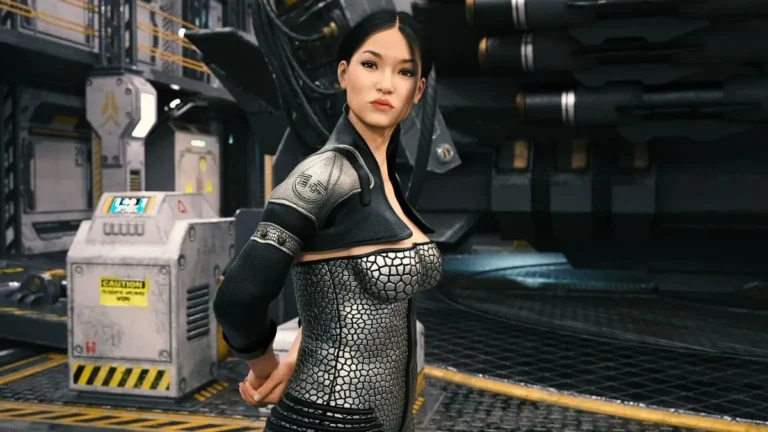
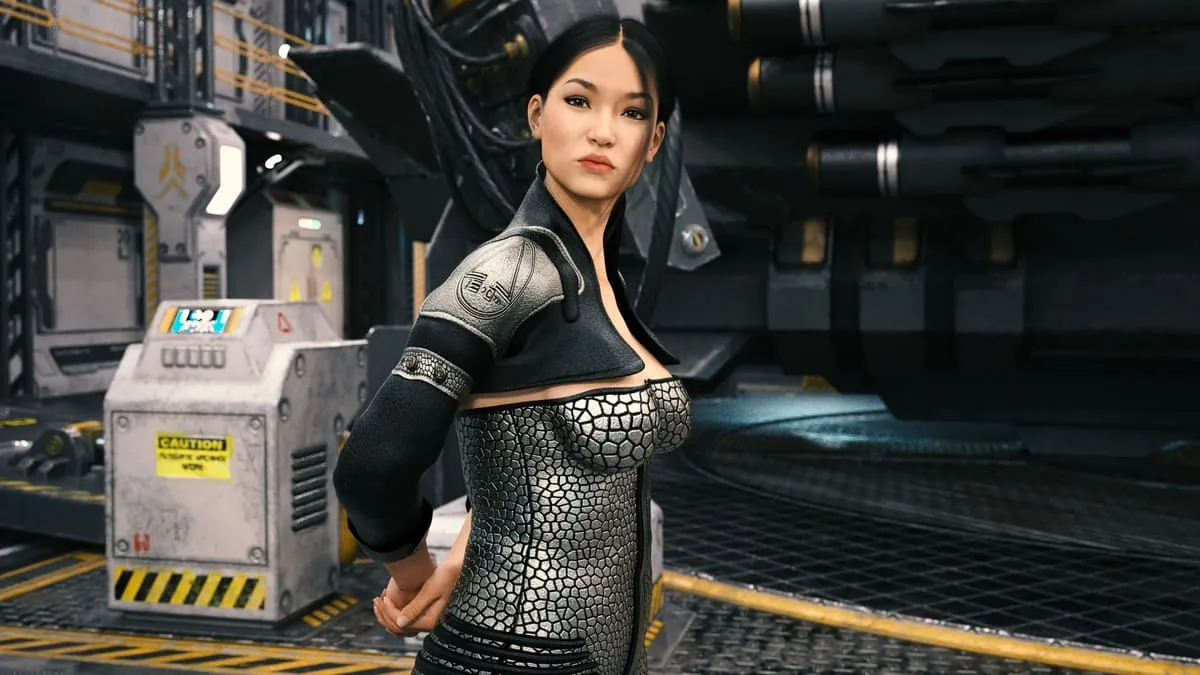
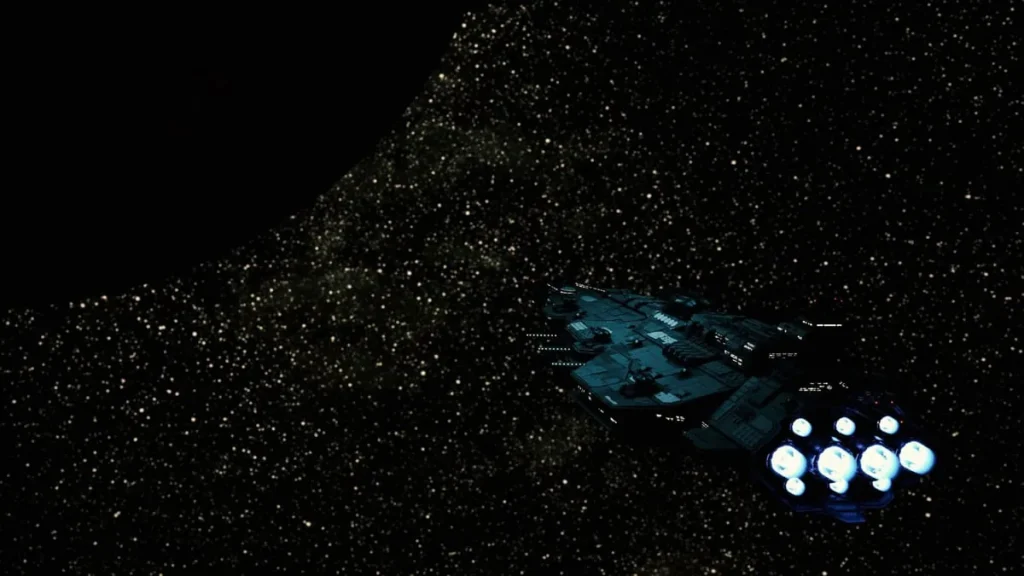
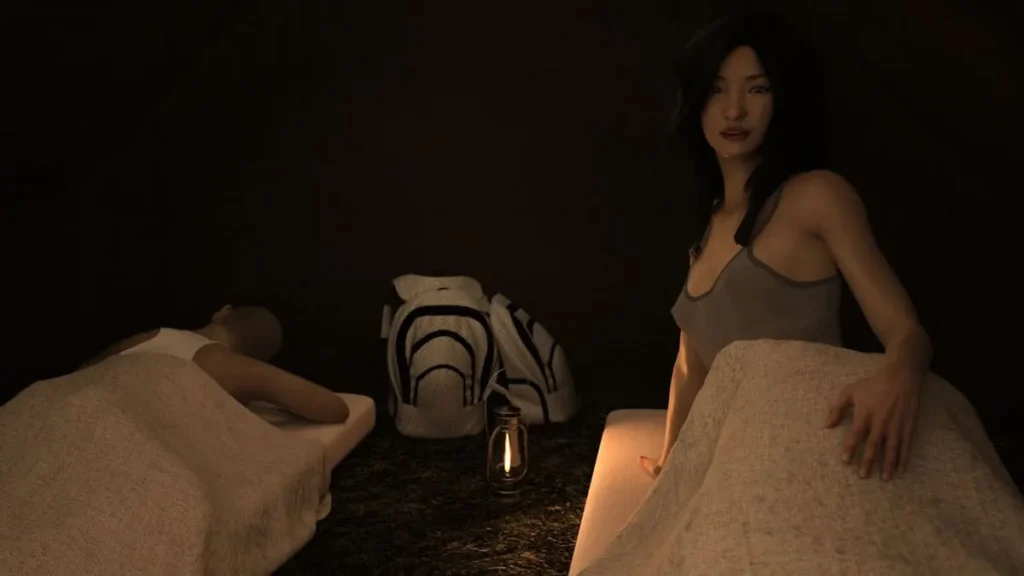
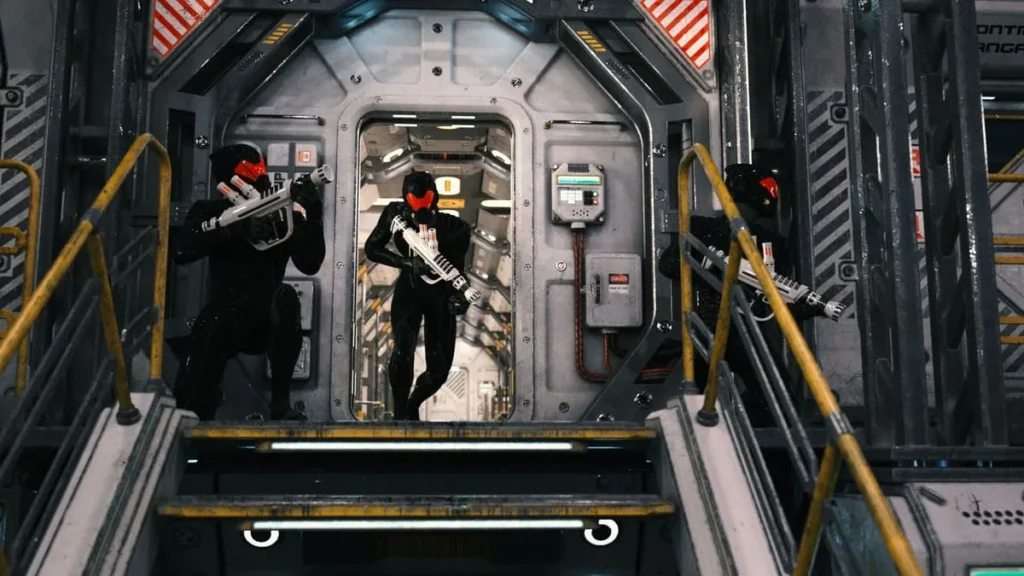
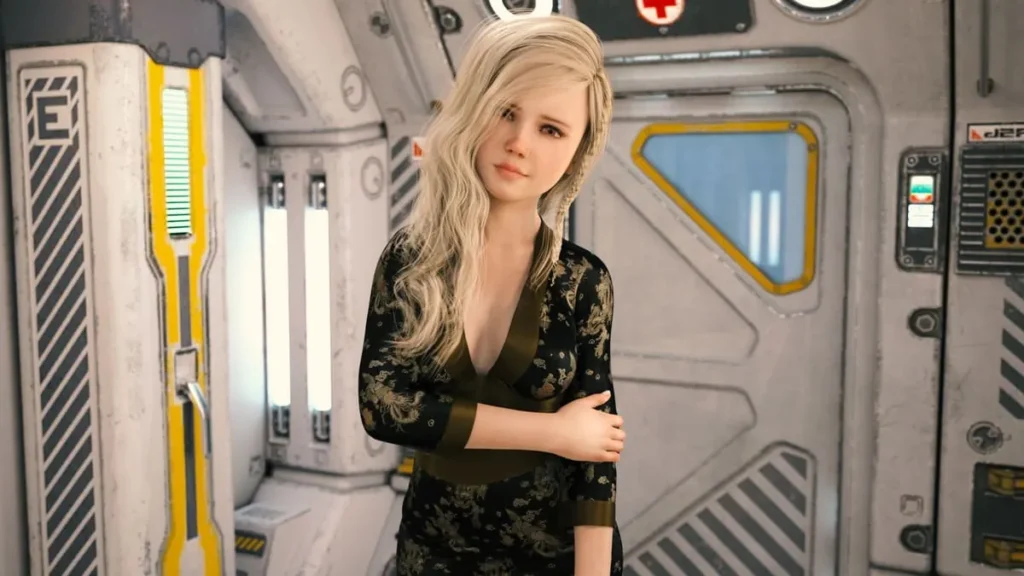
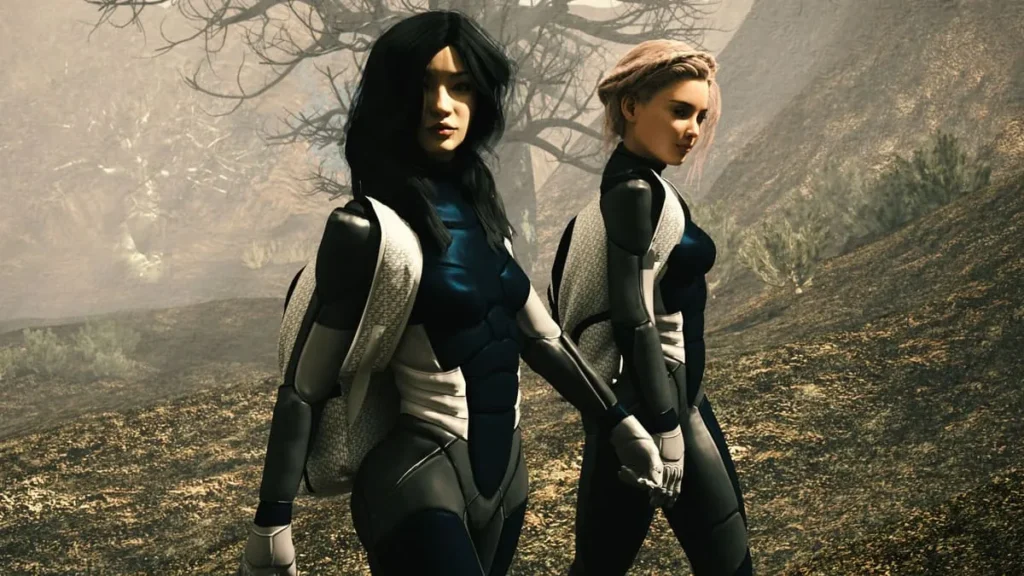
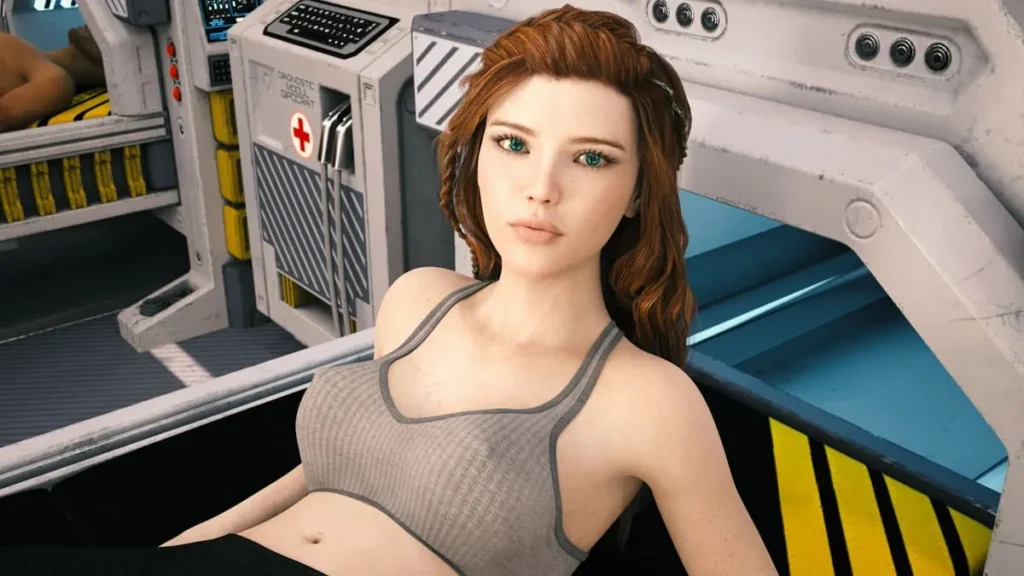
Let’s talk about the “visual” in this visual novel. The narrative and choices are the engine, but the presentation is the stunning exterior of the starship. Tales from the Uncoming Void tells its story visually through a staggering library of over 5000 custom renders and 250+ animations. This isn’t just window dressing; it’s fundamental to the immersion and a key reward for your visual novel story progression.
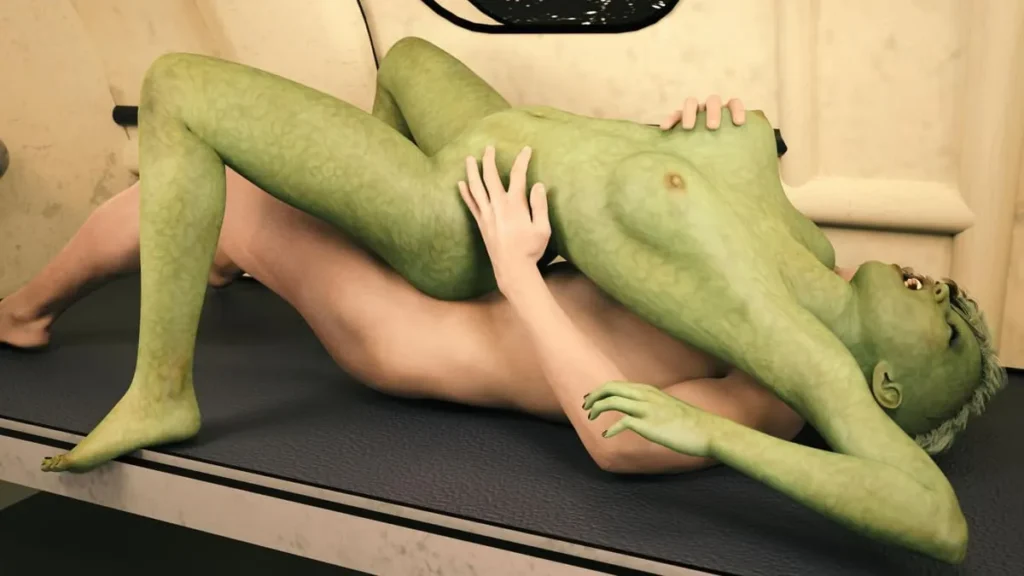
Every choice you make, every relationship threshold you cross, leads to new visual content. A romantic path unlocks intimate, beautifully rendered scenes. A moment of tension might be underscored by a subtle animation of a character’s expression shifting. The environments, from the sleek corridors of your ship to alien landscapes, are crafted with detail that solidifies the game’s sci-fi atmosphere. The character relationship mechanics are given powerful emotional weight by seeing the genuine reactions on characters’ faces.
However, this balance between story and visual content is a point of discussion within the community—and it’s worth addressing. Some player feedback notes that the pacing can sometimes feel driven by the inclusion of new visual scenes. You might experience sequences focused on character interaction that, while gorgeous and rewarding for relationship-building, can slow the forward momentum of the central plot.
From my perspective, this isn’t necessarily a flaw, but a design priority. The game is unequivocally a character-driven romance/drama set in space, with the plot serving as the backdrop for these relationships. If your primary joy comes from fast-paced, plot-twist-every-minute sci-fi, the pacing might feel deliberate. But if you’re here to get to know a crew of complex characters, see your relationships evolve visually, and influence those bonds, then the pacing feels intentional and rewarding. The choice-based visual novel mechanics are in service to these character moments first and foremost.
Finally, the game thoughtfully includes bonus features that enrich the experience. Completing episodes or achieving certain goals unlocks artwork galleries, letting you appreciate the stunning renders outside the story flow. For players who want to see every branch (or ensure they don’t miss a crucial relationship scene), walkthrough guides are often included or available, which are invaluable for understanding the intricacies of the dialogue decision system.
In the end, understanding the Tales from the Uncoming Void gameplay is about embracing its unique rhythm. It’s a marathon of meaningful conversations, not a sprint of plot points. Your power lies in the dialogue decision system, shaping a personal story through its deeply implemented character relationship mechanics. The episode structure visual novel format delivers this in satisfying chapters, all brought to life by a breathtaking volume of visual art. It’s a journey where the connections you forge are just as important as the cosmic mysteries you solve.
Tales from the Unending Void offers a unique experience within the visual novel genre by combining sci-fi storytelling with player agency through dialogue choices and relationship mechanics. The game’s strength lies in its detailed character development, varied cast of romance options, and impressive visual presentation with thousands of renders and animations. While the narrative progression moves at a deliberate pace and focuses heavily on character interactions over complex branching paths, players who appreciate character-driven stories and relationship building will find substantial content across multiple seasons. As development continues on the remaining seasons, the game remains an evolving project that rewards players willing to engage with its choice-based system and character-focused narrative. For those interested in visual novels that prioritize character depth and player choice in shaping relationships, Tales from the Unending Void presents a compelling option worth exploring.