Summertime Saga
Play Summertime Saga
Summertime Saga Screenshots








Summertime Saga review
In-depth look at Summertime Saga’s gameplay, characters, and community
Summertime Saga is a long-running, community-funded narrative simulation that blends open-world exploration, character-driven quests, and adult-oriented content into a layered experience. In this guide I’ll walk you through what Summertime Saga is, how to get started, and practical tips I learned while playing and following development updates. Whether you’re curious about core mechanics, character routes, or the best ways to progress, this article gives a clear roadmap to enjoy the game responsibly and get the most from its evolving content.
What is Summertime Saga? Origins, Scope, and Tone
Ever stumbled upon a game that just completely took over your evening? 😅 That was my exact experience with Summertime Saga. I clicked on what I thought was a simple, humorous adult dating sim game, only to find myself three hours later, map fully uncovered, with a mental checklist of a dozen character quests I hadn’t even started. The sheer scale of it blew me away. But what is this game that has captivated such a dedicated fanbase? Let’s pull back the curtain on its origins, its heartbeat, and the unique style that makes it so moreish.
How the game started and funding model
Every great story has a beginning, and for Summertime Saga, it starts with a single developer and a big idea. The mastermind behind this sprawling world is known as “DarkCookie.” He’s the Summertime Saga developer who began this project driven by a passion for classic point-and-click adventures and a desire to create a narrative-driven experience with adult themes, all wrapped in a visually distinct package. It started modestly but had a grand vision from the get-go.
The traditional model of big studio funding was never in the cards. Instead, the project found its lifeblood through community support on Patreon. The Summertime Saga Patreon page isn’t just a tip jar; it’s the game’s development engine. 🚀 By subscribing, fans get access to early builds, previews of upcoming content, and a direct line to provide feedback. This creates a fantastic symbiotic relationship: steady funding allows for consistent, substantial updates, and the developer gets real-time input from his most passionate players.
This model explains the game’s evolution from a neat concept to the massive, constantly-expanding sandbox it is today. New locations, characters, and storylines are added in significant updates, all shaped by this ongoing dialogue with the community. It’s a brilliant example of how direct creator-audience connections can fuel ambitious indie projects.
Pro Tip: If you’re looking for the latest official build, the Summertime Saga Patreon is the primary source. Public releases happen, but patrons get early access, making it the hub for the most current version.
Core gameplay loop and structure
So, you’ve completed your Summertime Saga download and launched the game. What now? You play as a young man whose father has recently passed away, leaving behind a mysterious debt and a lot of questions. Your goal? Unravel that central mystery, navigate high school life, and help your mom keep the house. How you do that is where the magic happens.
The core gameplay is a delightful mix of structured storytelling and open-world sandbox exploration. Think of it as part life-sim, part visual novel, and part adventure game. 🎮 Your days are divided into morning, afternoon, and evening segments. You spend your time exploring the town—from the school and library to the beach and various businesses—talking to a huge cast of characters.
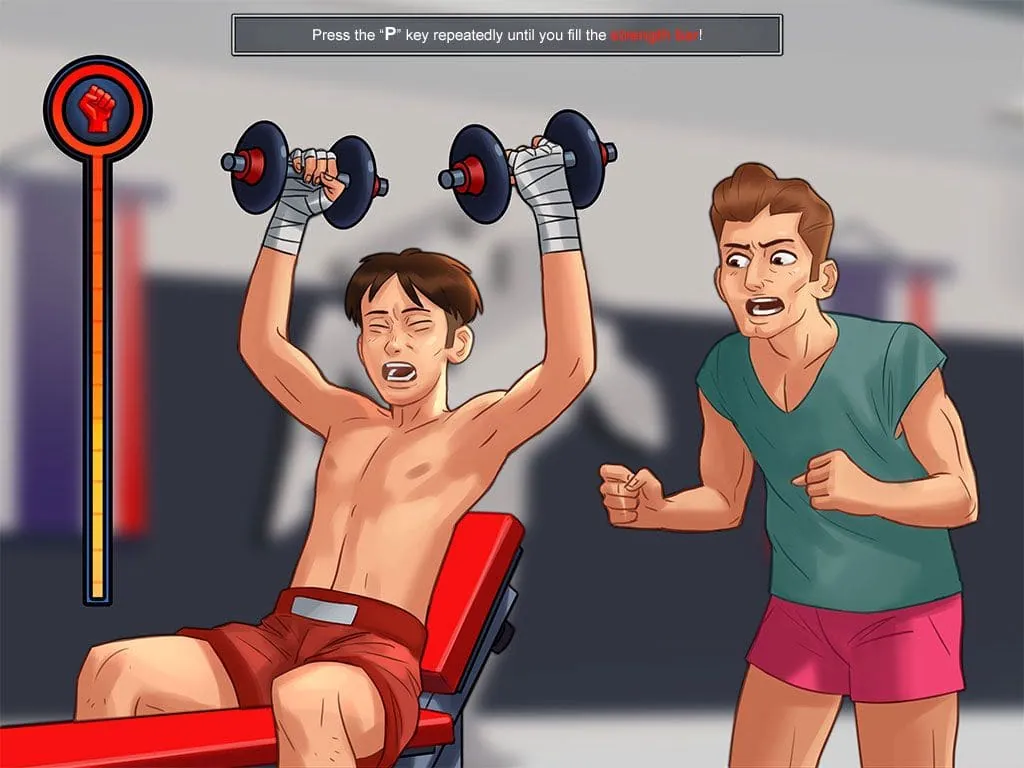
Each interaction can lead to a quest. These quests are the backbone of the experience. They might involve fetching items, playing a part-time job minigame (like working at the pizza shop or the dock), succeeding in skill-based challenges, or making specific story choices. Completing these quests deepens your relationships, unlocks new story paths, and rewards you with money or key items.
And oh, the characters! My first real “whoa” moment came when I realized the town map wasn’t just decorative. I clicked from my house to the school, then to the downtown area, the beach, the mall… each location was packed with unique individuals, from classmates and teachers to neighbors and local shop owners. Every single one has their own storyline, personality, and relationship route you can pursue. The structure isn’t linear; you juggle multiple character stories and the main plot at your own pace, which makes every playthrough feel personal.
Here’s a quick breakdown of where you can officially get the game:
| Platform | Download Source | Notes |
|---|---|---|
| Windows | Official Website & Patreon | The primary and most up-to-date platform. |
| macOS | Official Website & Patreon | Fully supported version available. |
| Android | Official Website & Patreon | Portable version for on-the-go play. |
| Linux | Official Website & Patreon | Community-supported build. |
Remember, a safe and virus-free Summertime Saga download always comes from the official channels linked on the developer’s site or Patreon page. This ensures you get the legitimate game and support the creator directly! 👍
Art style, tone, and audience
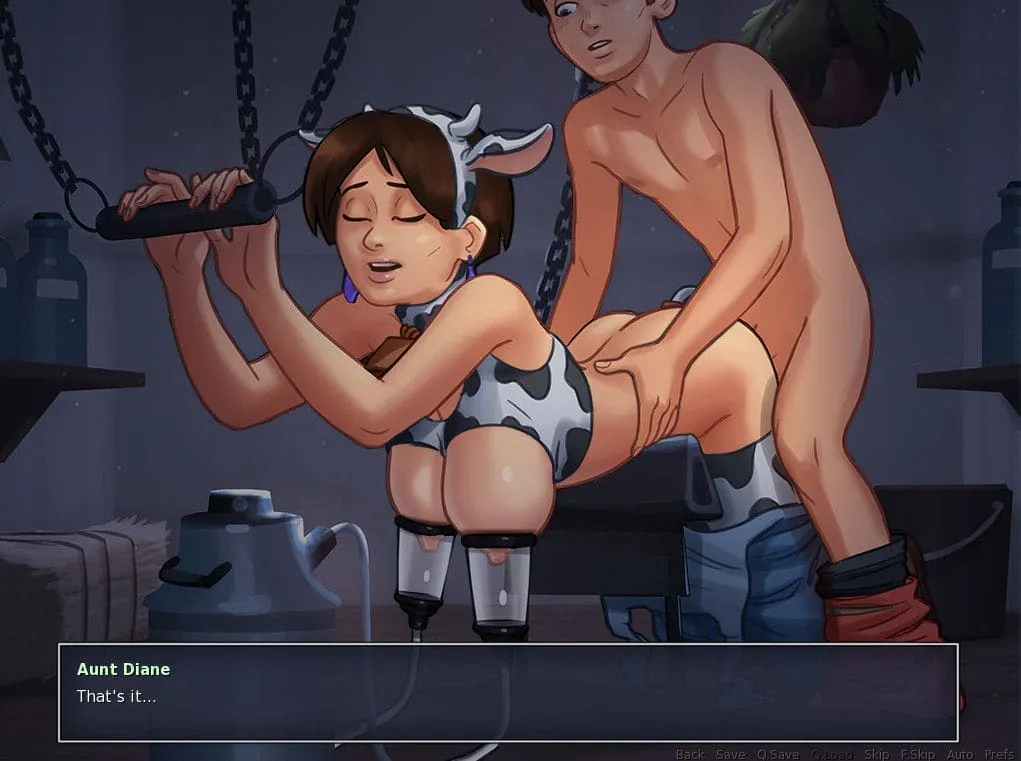
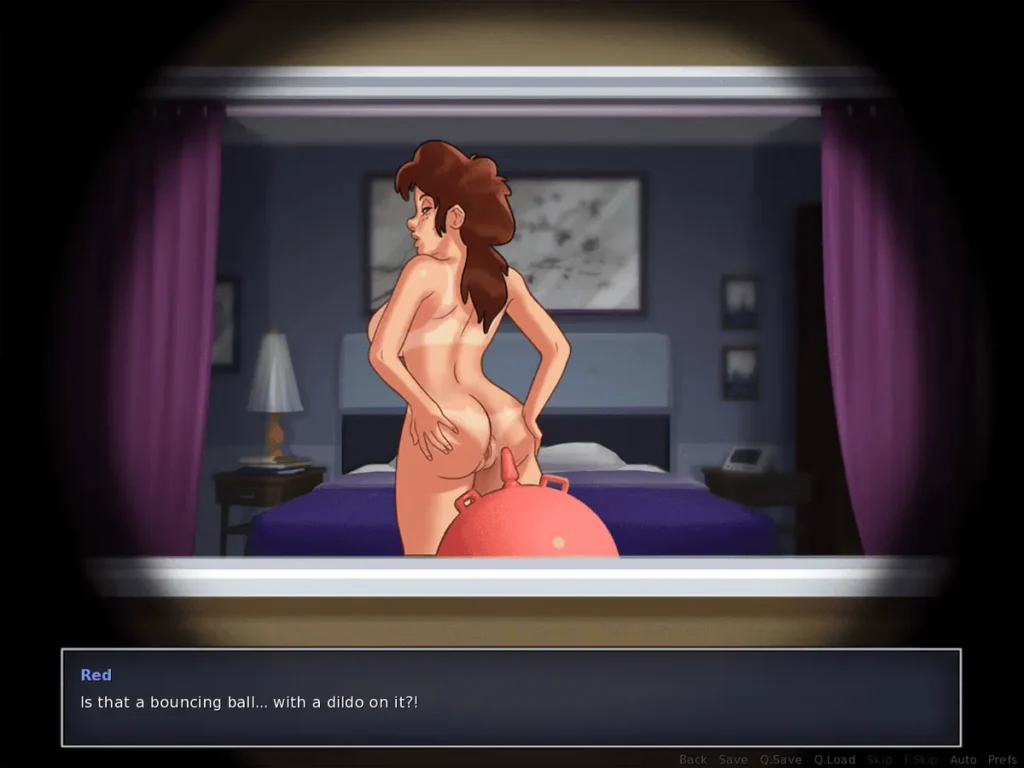
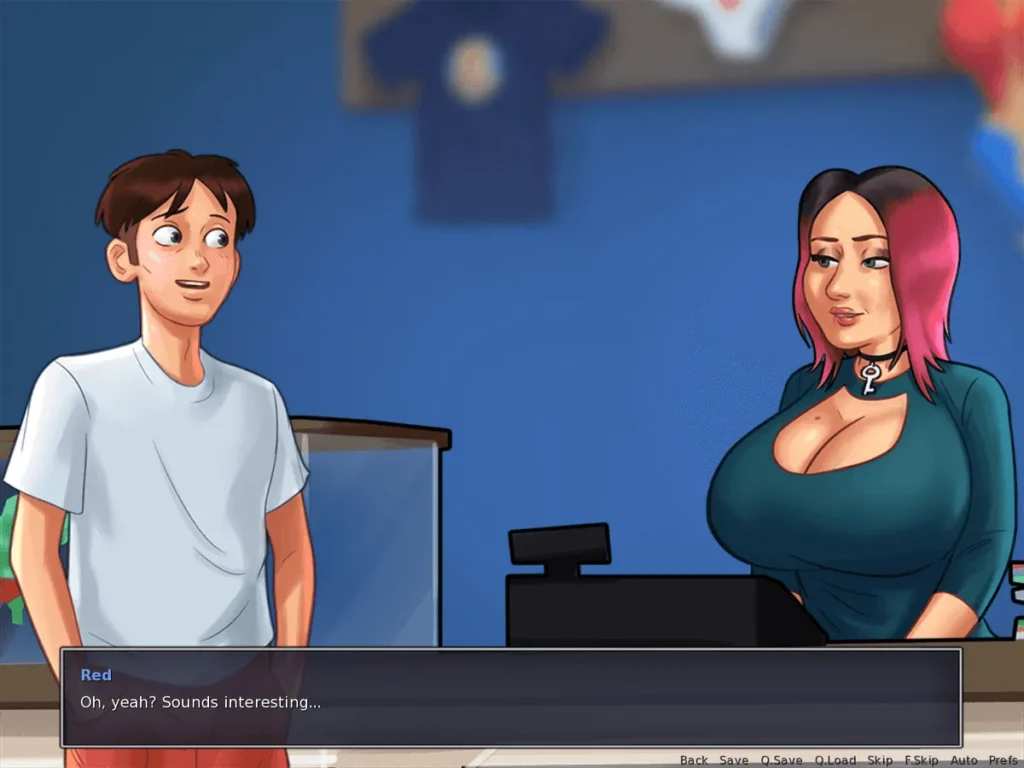
The moment you see Summertime Saga, you know it’s something different. In an era of 3D models and pixel art, it commits fully to a hand-drawn game art style. Every character, background, and item is drawn with a distinct cartoonish flair that’s both charming and full of personality. This isn’t generic art; it has a signature look that makes the world feel cohesive and alive. The attention to detail in the expressions and environments adds so much to the storytelling, making the humorous moments funnier and the dramatic beats more engaging.
The narrative tone is a skillful balancing act. On one hand, it’s a comedy-filled romp through the absurdities of teenage and young adult life, packed with cheeky humor and over-the-top situations. 😂 On the other, it weaves in genuine moments of heart, mystery, and drama, especially within the main plot concerning your father’s past. It never takes itself too seriously, but it gives you enough substance to care about the characters and your journey.
This blend clearly defines its target audience. It’s designed for mature players who enjoy narrative-driven games, light simulation elements, and adult-themed content presented with a humorous, cartoon wrapper. It’s for players who like to explore, collect, and unlock content at their own rhythm.
A final, crucial piece of advice from my own experience: be mindful of the mature themes. The game is unabashedly an adult dating sim game at its core, with explicit content. This is part of its appeal for its audience, but it’s vital to approach it with that awareness. The community generally is fantastic—helpful, creative, and engaged—largely because everyone is there for the same unique mix of humor, heart, and hand-drawn style that defines the Summertime Saga experience.
Whether you’re in it for the intricate web of character stories, the satisfaction of solving the town’s mysteries, or just to enjoy some brilliantly executed hand-drawn game art, this game offers a uniquely expansive playground. It’s a testament to what a dedicated Summertime Saga developer can achieve with a clear vision and a community that believes in it. Now, if you’ll excuse me, I think Debbie needs help at the cafe… again.
Summertime Saga is a deep, evolving experience that combines open-world exploration, character-driven routes, and an ongoing development model supported by its community. New players benefit from focusing early on stat-raising and time management, using walkthroughs when stuck, and engaging respectfully with community resources. If you enjoyed this guide, try the sample 7-day plan in the gameplay chapter, back up your saves before switching versions, and consider supporting the project if you want early access to updates and to help shape future content.