Only a Dream
Play Only a Dream
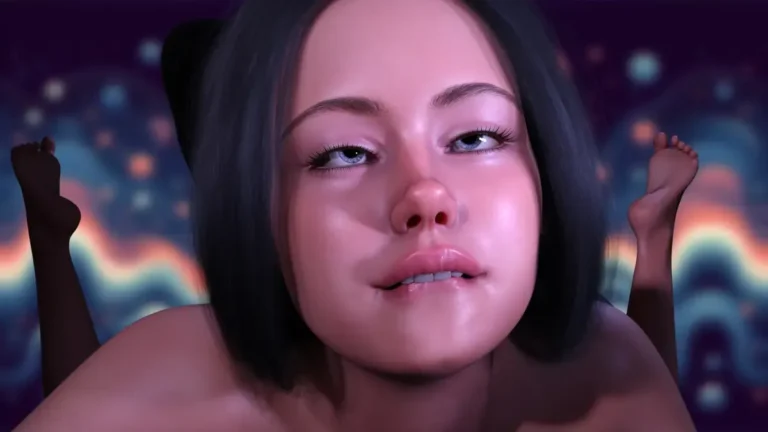
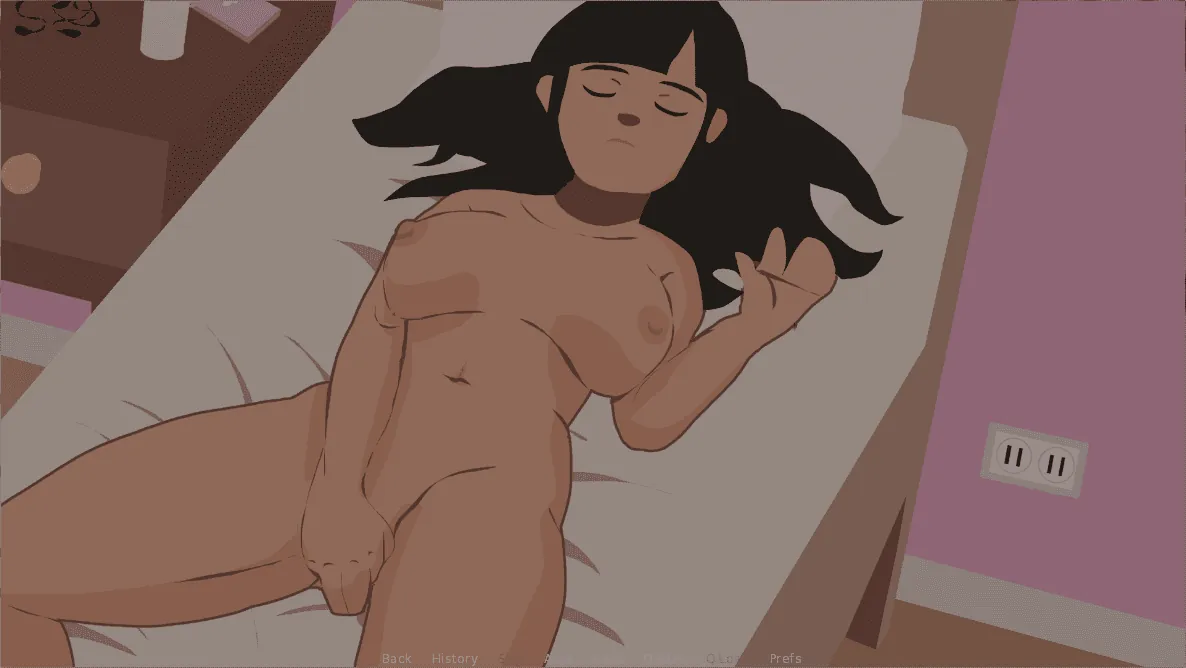
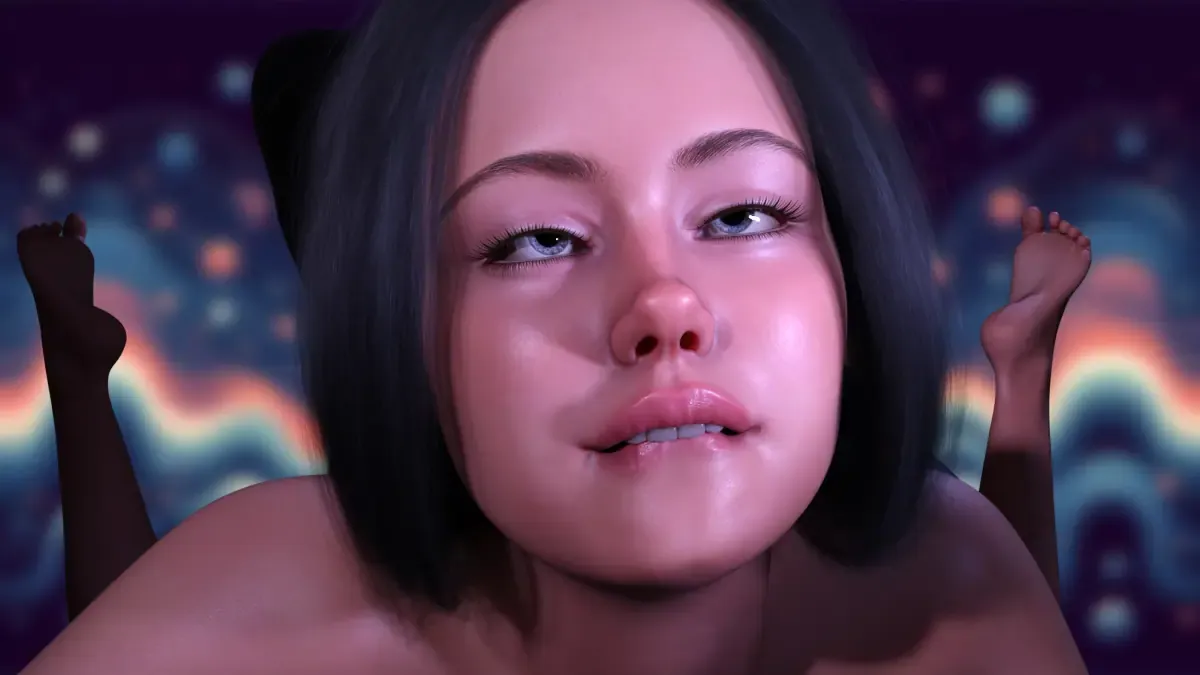
Only a Dream Screenshots



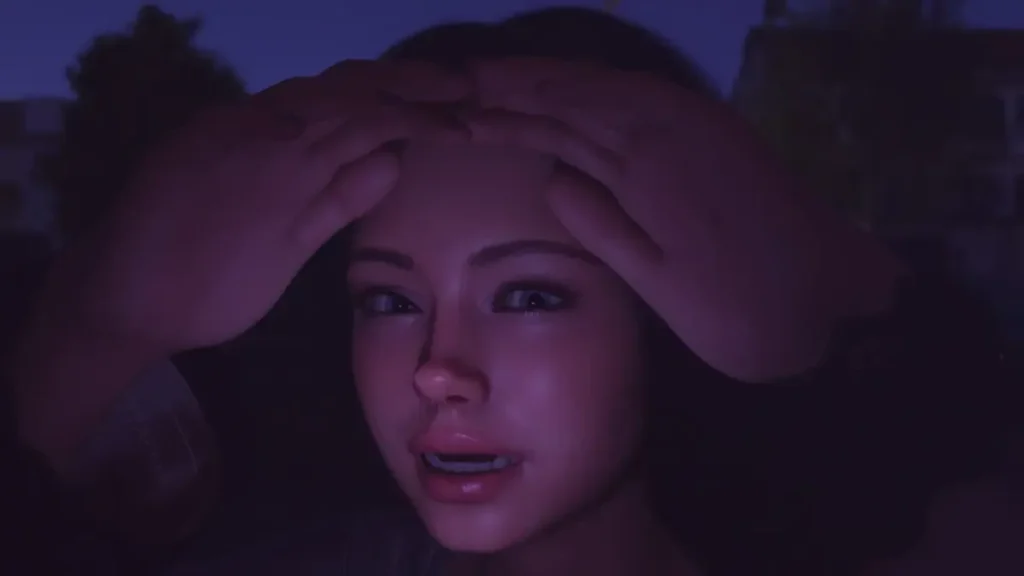
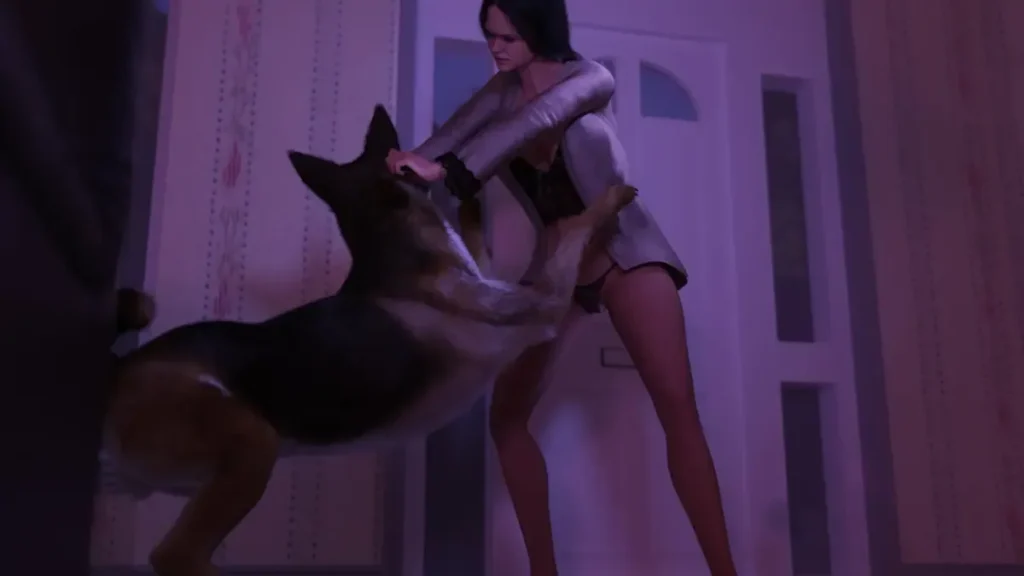
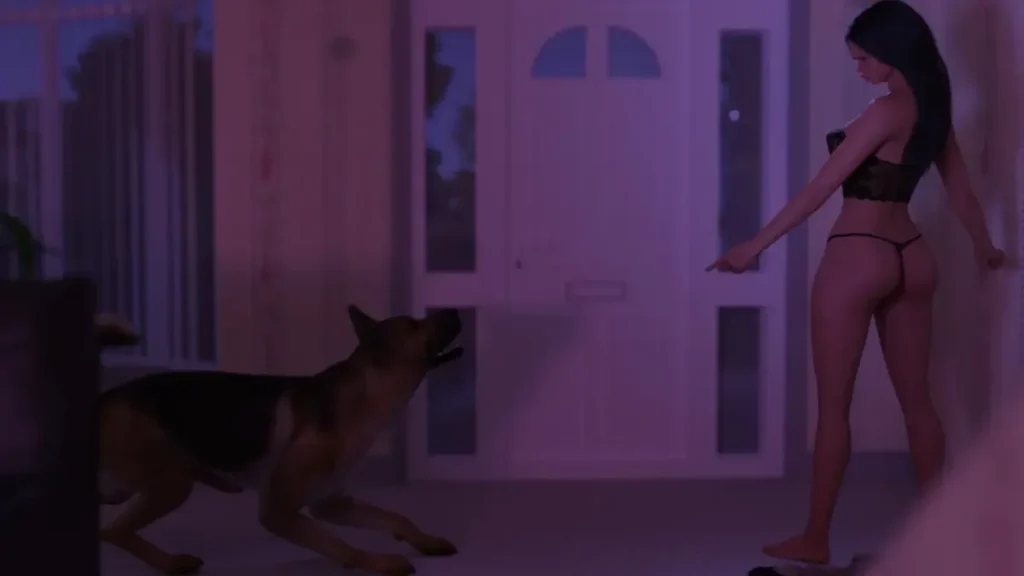
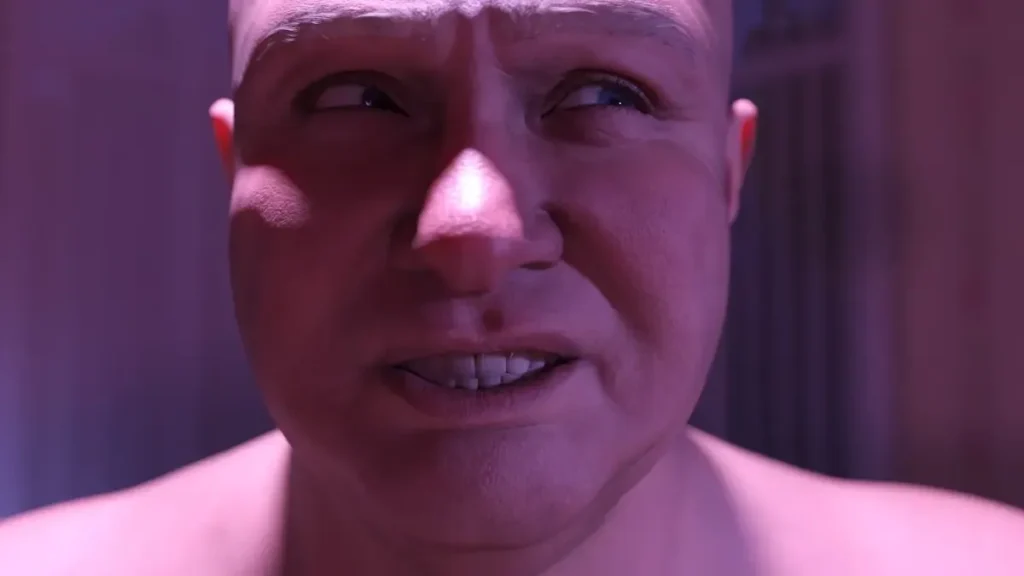
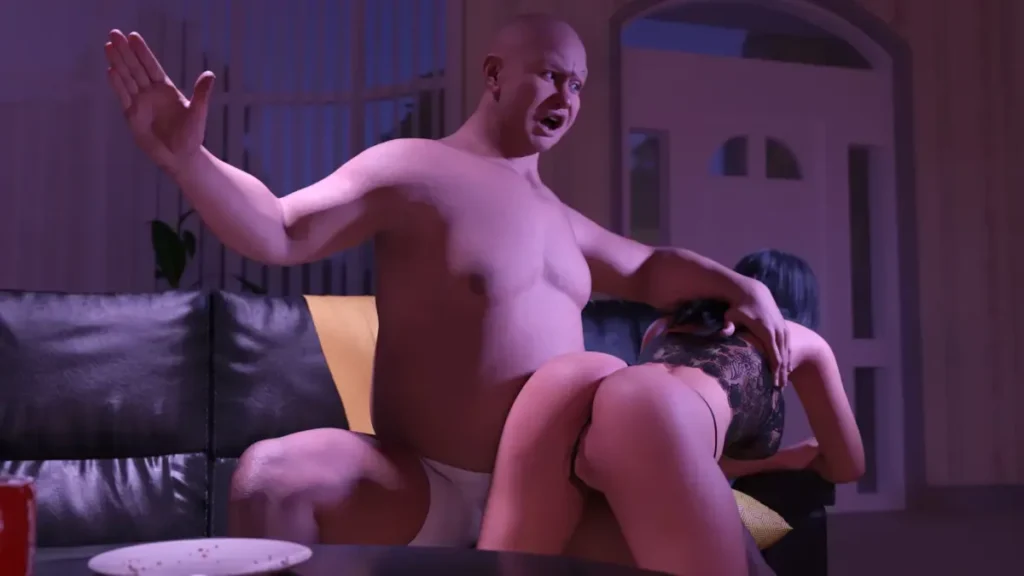

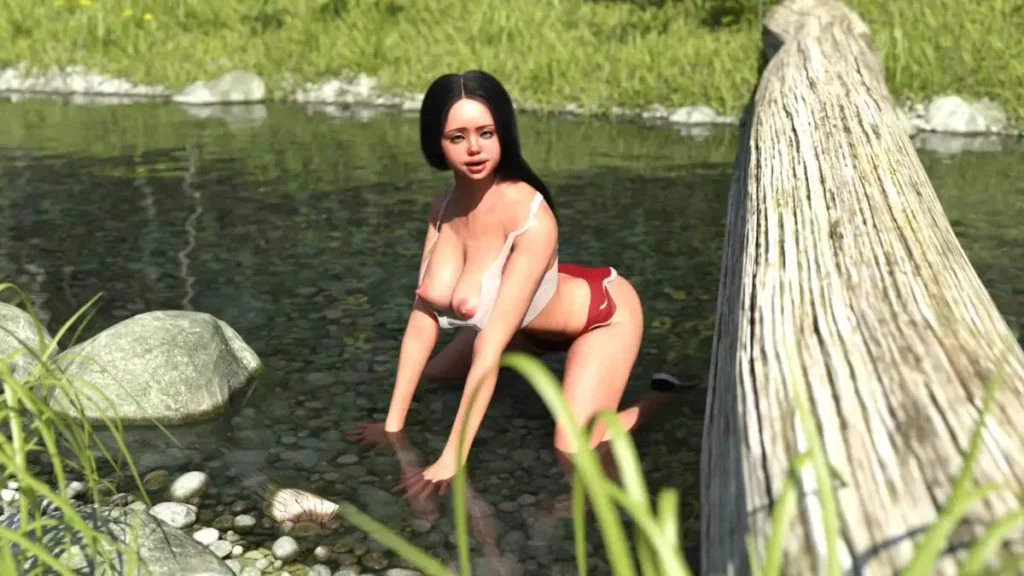
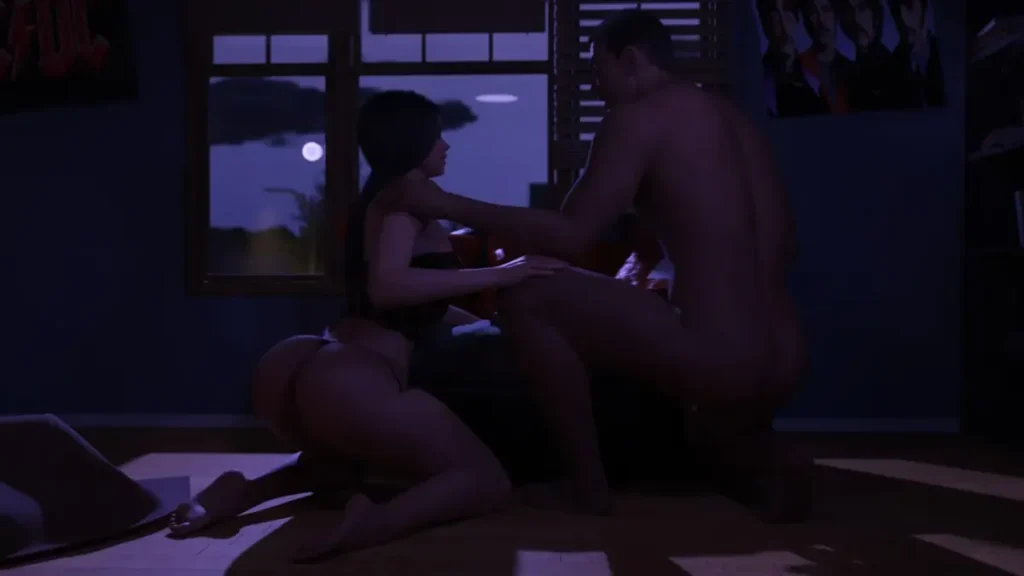
Only a Dream review
A deep dive into the controversial and surreal world of Only a Dream
Only a Dream is a game that has sparked intense discussion and debate within the gaming and adult entertainment communities. Known for its surreal and often disturbing content, Only a Dream pushes the boundaries of what is considered acceptable in interactive media. This article will explore the game’s unique narrative, its controversial themes, and the impact it has had on players and critics alike. Whether you’re curious about the game’s story, its gameplay mechanics, or its place in the broader context of adult games, this guide will provide you with a comprehensive look at Only a Dream.
Understanding the Plot and Themes of Only a Dream
Let’s be honest, we’ve all started a game, gotten an hour in, and realized we have no idea what’s actually going on. The story feels like a jigsaw puzzle dumped on the floor. 😵 I almost had that feeling with Only a Dream—until its haunting, fragmented pieces started clicking into a picture I couldn’t look away from. This isn’t your typical adult game narrative; it’s a labyrinth where desire, fear, and memory bleed together.
So, what’s the big deal? Why are people so captivated (and conflicted) about this experience? Let’s pull back the curtain on the Only a Dream plot, its profound themes, and the firestorm of conversation it has ignited.
### What is the Story of Only a Dream?
At its core, the Only a Dream story is a psychological journey into disintegration. You don’t play a hero with a clear goal. Instead, you navigate a protagonist—often a figure shrouded in amnesia or profound trauma—through a series of surreal, interconnected scenarios. The world operates on dream logic: locations morph without reason, time is non-linear, and characters you encounter might be fragments of a single personality or manifestations of deep-seated guilt.
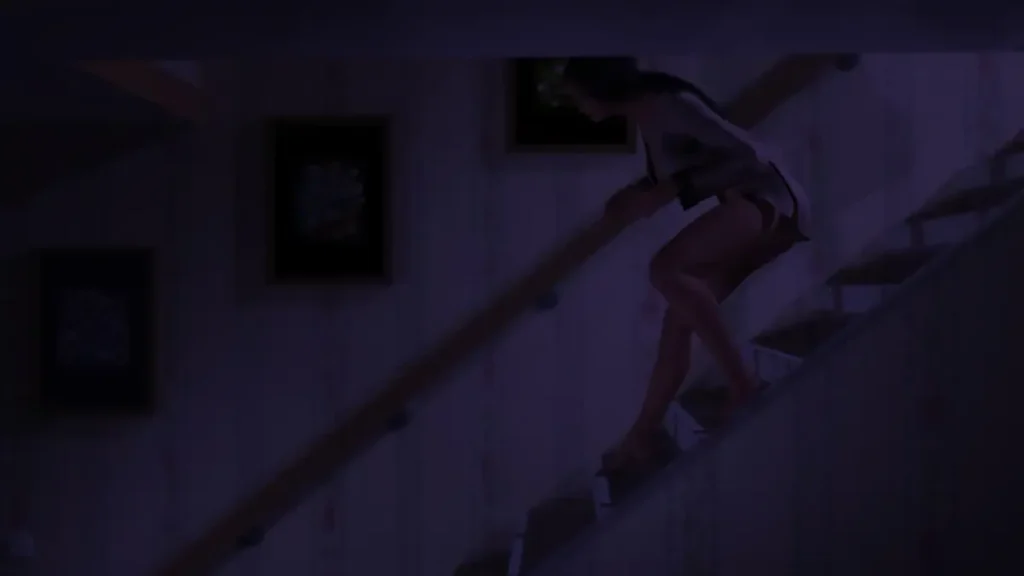
A typical narrative arc might begin with the character in a seemingly normal but off setting—a too-quiet house, a deserted street at night. As you interact with the environment and characters, reality begins to splinter. 👻 You might solve a simple puzzle only to be plunged into a flashback of a traumatic event, or a moment of intimacy might suddenly twist into a body-horror sequence. The driving force isn’t to “win” in a traditional sense, but to understand. The key events are emotional revelations, not conquered bosses.
The Only a Dream narrative is deliberately disjointed, requiring players to piece together the truth from environmental clues, cryptic dialogue, and symbolic visions. Is this a tale of supernatural haunting, a descent into madness, or a metaphorical processing of real-world pain? The game masterfully keeps all possibilities alive, making the plot of Only a Dream a deeply personal exercise in interpretation.
### Key Themes and Symbolism
If the plot is the “what,” the themes of Only a Dream are the devastating “why.” This game is a heavyweight champion of exploring the human psyche’s darker corners. Its central preoccupation is the blurring of reality and fantasy. The title itself is a constant, teasing question: Is this only a dream, or is it a reality too horrific to face while awake? This ambiguity is the engine of its unease.
My Take: Playing this game felt less like entertainment and more like assisted introspection. It holds up a warped mirror to your own subconscious.
Here are the core ideas it wrestles with:
* Surrealism & Psychological Horror: The horror here isn’t about jump scares (though there are a few). It’s the existential dread of a crumbling mind. Familiar spaces become alien, and the human form is often distorted, reflecting internal turmoil.
* Guilt and Atonement: Many interpretations of the symbolism in Only a Dream point to a protagonist burdened by past actions. Recurring motifs—like locked doors, stained surfaces, or repetitive tasks—often symbolize secrets and the desperate, futile attempt to clean a spiritual stain.
* The Nature of Desire: As an adult game, it uses explicit material not just for gratification, but as a narrative tool. Desire is often portrayed as dangerous, compulsive, and intertwined with power, loss, or self-destruction. It questions what we truly crave and the cost of obtaining it.
* Fragmented Identity: Characters merge and split. You may be pursuing someone, only to discover you are chasing a part of yourself you’ve disowned. This theme is powerfully conveyed through its symbolic use of mirrors, masks, and doppelgangers.
To see how Only a Dream stands out, let’s look at its thematic approach compared to others in its space:
| Game Title | Primary Themes | Narrative Approach |
|---|---|---|
| Only a Dream | Surreal horror, psychological fragmentation, guilt, blurred reality | Non-linear, symbolic, player-pieced interpretation |
| Example Adult Game A | Power fantasy, relationship building, wish fulfillment | Linear, choice-driven, goal-oriented |
| Example Adult Game B | Corruption, moral decay, temptation | Branching paths based on “virtue” vs. “vice” meters |
As you can see, the themes of Only a Dream are less about external power dynamics and more about an internal, psychological unraveling. It’s this commitment to uncomfortable themes that fuels much of the conversation around it.
### Controversial Elements in the Game
Let’s address the elephant in the room. The Only a Dream controversy isn’t a sidenote; it’s woven into the fabric of the experience. This game deliberately pushes buttons, and it has a dedicated audience and a cohort of fierce critics because of it.
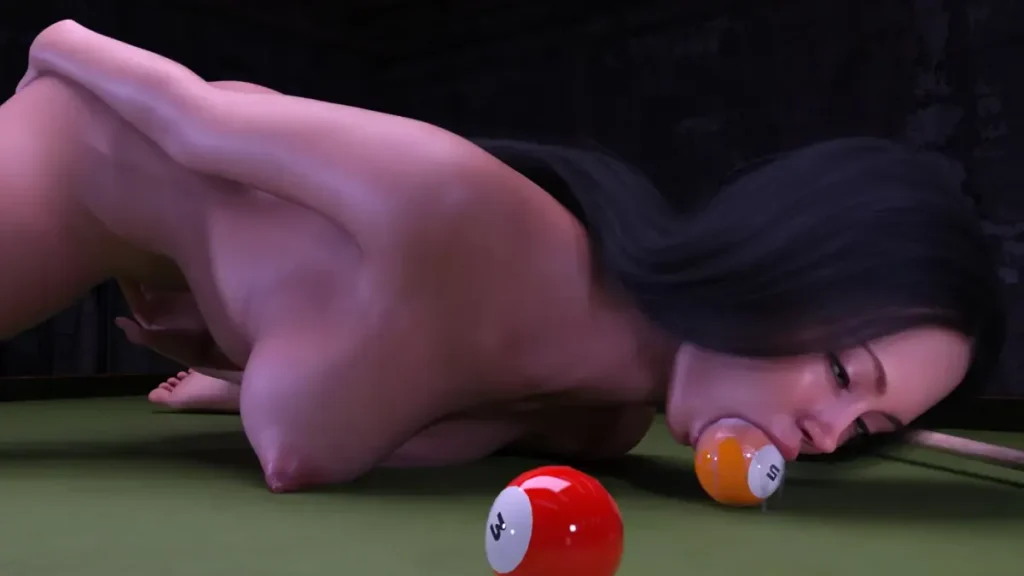
First, the most obvious point: its explicit content. Unlike many adult games where intimate scenes are rewards or pleasant diversions, in Only a Dream, they are often tense, unsettling, and psychologically charged. They can be vehicles for horror, tools of manipulation, or expressions of deep dysfunction. This confrontational approach leads to debate about artistic merit versus gratuitousness.
Secondly, it challenges traditional storytelling in the genre. Many players come to adult games for a power fantasy or a comforting, predictable romance. This game offers neither. It can be frustrating, deliberately obscure, and emotionally draining. Some argue it elevates the medium, while others feel it betrays the core purpose of interactive entertainment.
Finally, the game engages with deeply sensitive subject matter. Themes of trauma, mental illness, and existential despair are not handled with kid gloves. The controversy surrounding Only a Dream often centers on whether it explores these topics with respect and purpose, or if it simply uses them as shock value for a niche audience.
My personal insight? The game forces a reaction. It doesn’t want to be background noise. It demands you think, feel unsettled, and debate its meaning. Whether you see it as a profound piece of surreal horror or a deliberately provocative oddity, its impact is undeniable. It proves that the narrative of an adult game can be as complex, challenging, and artistically ambitious as any other medium, for better or worse. 🎭
Only a Dream stands out as a game that challenges the norms of adult entertainment and interactive storytelling. Its surreal plot, controversial themes, and unique gameplay have made it a subject of intense discussion and debate. Whether you’re drawn to its psychological depth or its boundary-pushing content, Only a Dream offers a memorable and thought-provoking experience. If you’re interested in exploring the game further, consider diving into the community discussions and reviews to gain a deeper understanding of its impact and legacy.