
Desert Stalker
Play Desert Stalker
Desert Stalker Screenshots



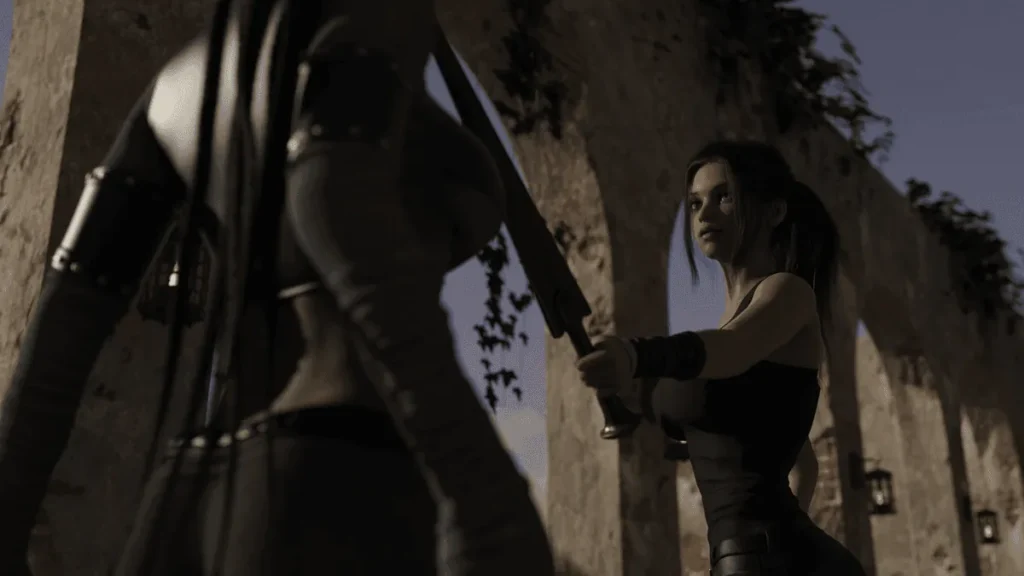


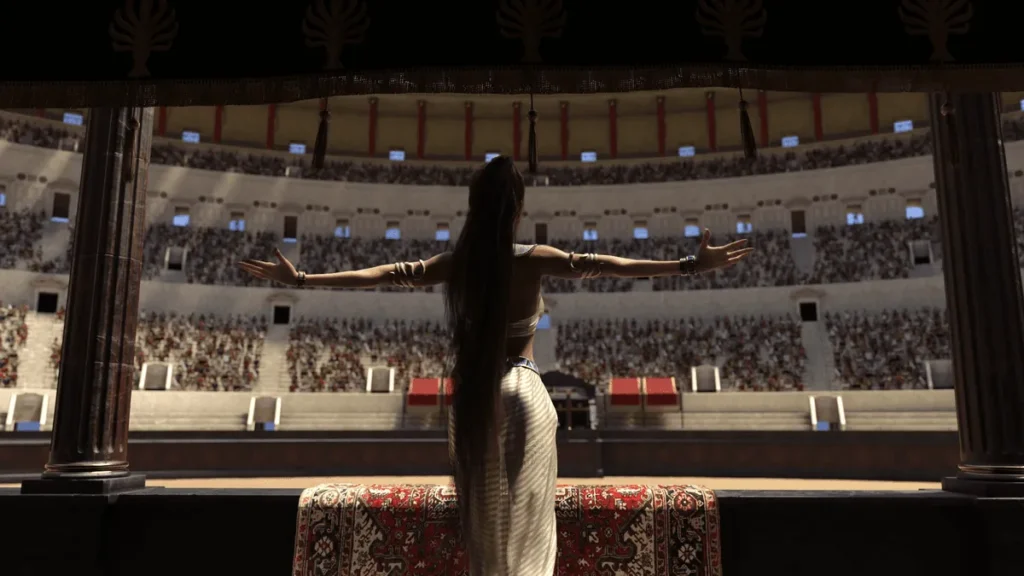
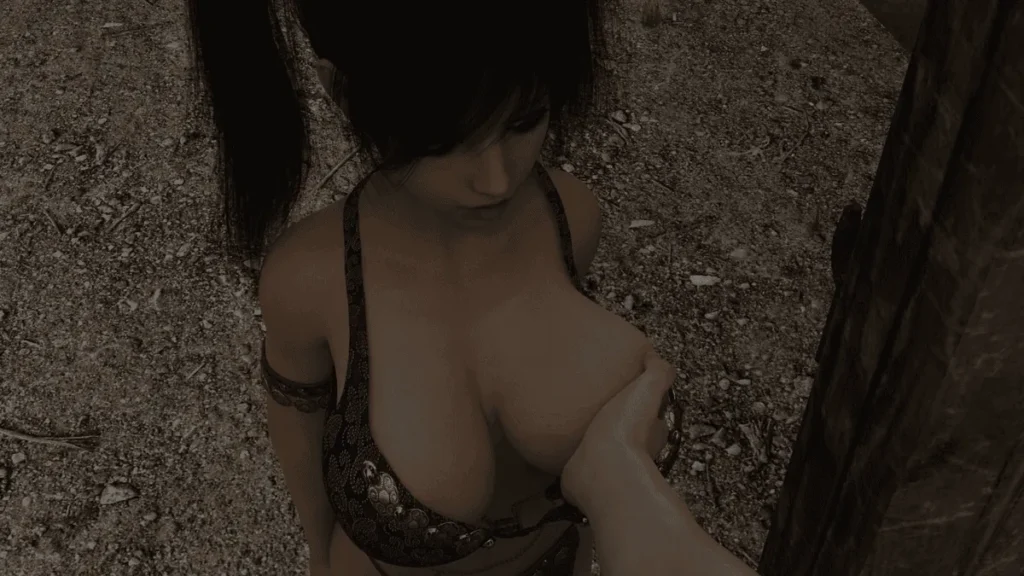

Desert Stalker review
Explore the post-apocalyptic world, master choices, and shape your story in this acclaimed adult visual novel
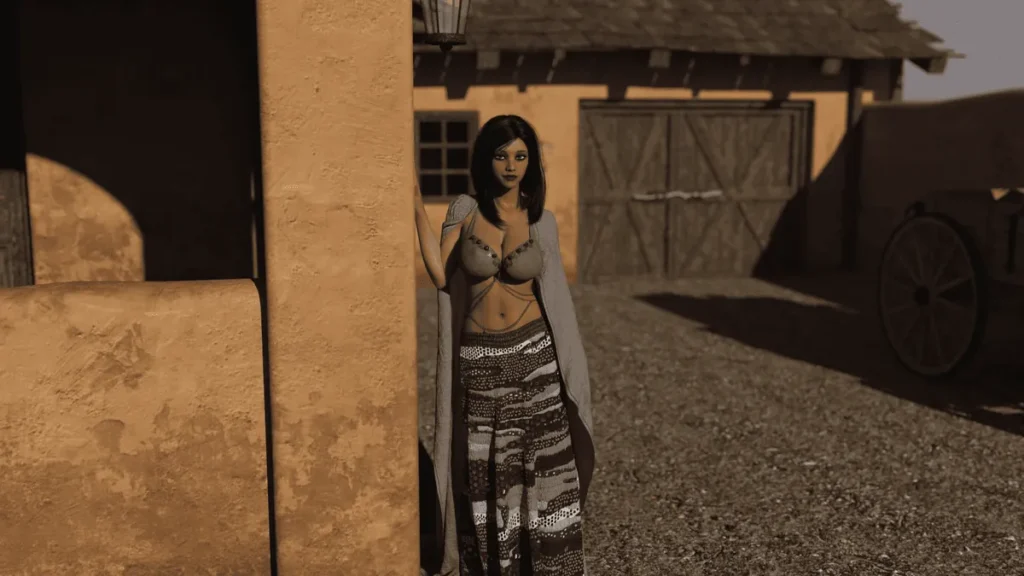
Desert Stalker stands out as a richly developed adult visual novel that combines immersive storytelling with meaningful player agency. Set in a post-apocalyptic Egyptian wasteland, this game puts you in control of a seasoned antiquity scavenger whose decisions shape both personal relationships and the world around them. Unlike typical games in its genre, Desert Stalker offers a compelling narrative experience with cinematic sequences, diverse character interactions, and a free-roam system that lets you pursue quests at your own pace. Whether you’re drawn to the gritty dystopian atmosphere, complex character development, or the ability to roleplay as either a dominating force or a savior figure, this guide covers everything you need to know about maximizing your Desert Stalker experience.
Understanding Desert Stalker’s Core Gameplay Mechanics
So, you’ve just started Desert Stalker, and maybe you’re feeling a little overwhelmed. 😅 The world is harsh, the characters are complex, and every conversation feels like it carries the weight of the future. That’s not an accident—it’s the genius of its design. Unlike many games where you just click through dialogue, here, your words are your most powerful weapon and your most dangerous liability.
This chapter is your survival kit. We’re going to strip down the Desert Stalker gameplay mechanics to their core, showing you how this isn’t just a story you watch, but a world you actively build and break with every decision. We’ll explore the freedom of its free-roam visual novel structure, demystify the Desert Stalker quest system, and show you how to tailor the entire experience to your taste with its powerful Desert Stalker content filters. Think of this as learning the rules of the wasteland before you decide how to rule it yourself. 🏜️✨
How Player Choices Shape Your Story
Let me tell you about the first time I realized Desert Stalker was different. Early on, you encounter a group of scavengers threatening a vulnerable outsider. You have a clear power advantage. The “video game” thing to do might be to intimidate them, flex your muscles, and take their supplies. It feels logical, right? Strong survive. I did that. Weeks later in the game, a potential ally, who heard about that incident, called me a “brutal thug” and refused to share critical information. A door closed because of a choice I’d practically forgotten.
That’s the heartbeat of this choice-driven narrative game. Every dialogue option, every action, and even your failures are logged in the game’s memory. This isn’t about picking a “good” or “evil” path from a menu. It’s about defining your Stalker’s core philosophy through dozens of micro-decisions that collectively paint a portrait of who you are. The player choice consequences are often delayed, subtle, and interconnected.
Major decisions will fork entire story arcs, determining who lives, who dies, and who shares your bed or your battlefield. But it’s the smaller moments—showing kindness to a slave, keeping a promise to a child, or choosing which faction to trust with a secret—that truly shape how the world perceives you. Your reputation precedes you, opening up unique quests or locking you out of others. This makes Desert Stalker a masterclass in interactive storytelling game design, where you’re not following a plot but authoring one.
To give you a practical idea of how this plays out, let’s look at two common philosophical approaches and their ripple effects:
| Playstyle Approach | Key Philosophy | Impact on Relationships | Example Story Outcome |
|---|---|---|---|
| The Dominant Protector | Might makes right. Order is enforced through strength and clear hierarchy. Resources are taken or secured by any means for the “greater good” of your inner circle. | Earns fierce loyalty from those who value power and security. Instills fear or resentment in the independent-minded. Can create intensely dominant/submissive dynamics. | May unite smaller factions under your banner through force, creating a powerful but tyrannical tribe. Romantic paths often involve themes of conquest and possession. |
| The Redeeming Guardian | Strength obligates protection. The wasteland’s humanity can be salvaged through mercy and building trust, even at personal risk. | Builds deep, trusting bonds with the vulnerable and idealistic. Viewed as naive or weak by hardened survivors. Fosters more egalitarian partnerships. | May spark rebellions based on hope rather than fear. Unlocks peaceful resolutions that require high trust levels. Romantic paths lean towards mutual partnership and healing. |
Pro Tip: Don’t reload immediately after a “bad” choice! Some of the most compelling, dramatic, and unique story branches come from seemingly negative outcomes. The game is designed to be compelling no matter what path you walk. Embrace your Stalker’s flaws—they make the story yours.
The beauty is that most players will fall somewhere in between, creating a hybrid persona that’s uniquely theirs. This system ensures that your journey through the Desert Stalker gameplay mechanics feels deeply personal. No two playthroughs will ever be exactly alike, making discussion with other players a fascinating compare-and-contrast of what your wasteland became. 🤝🌀
Navigating the Free-Roam System
If the choice system is the game’s heart, the free-roam visual novel structure is its skeleton. This is where Desert Stalker boldly departs from the linear “click-next” format of traditional visual novels. You’re not on rails. Instead, you’re presented with a central hub—often your camp or a key location—from which you can choose where to go and who to engage with.
Here’s the crucial part: There is no grinding. 🚫 You don’t need to click the same location 50 times to gather “energy” or collect 10 wolf pelts to progress. When I first realized this, it was liberating. Every action you take is a direct story or character beat. You go to the market to advance a trade negotiation or meet a contact. You patrol the outskirts to trigger a specific event or find a lost person. The map is a menu of narrative opportunities, not a checklist of chores.
This is what sets it apart from a typical sandbox game. It’s a curated open world. The Desert Stalker quest system is seamlessly integrated into this map. Active quests or character threads will have indicators, but you’re free to pursue them in almost any order you wish. Feel like focusing on a romantic subplot today? Go spend time with that character. Want to unravel a faction’s conspiracy? Head to their territory and start digging.
This freedom creates a fantastic, natural pace. The game balances linear storytelling sequences—intense, scripted story moments that play out like chapters in a book—with these periods of player-controlled exploration. After a major plot event, you’ll often be returned to the free-roam map to process what happened, check in with your companions, and decide where the story goes next. It makes you feel like a true agent in the narrative, managing your relationships and priorities.
The presentation elevates this further. While exploring, the cinematic presentation with its evocative music and ambient sound design—the howl of the wind, the chatter of a distant market—keeps you immersed. You’re not just selecting options from a list; you’re inhabiting a moment. This careful balance makes the Desert Stalker gameplay mechanics feel less like a “game” and more like living inside a dynamic, reactive graphic novel. 🎬📖
Content Customization and Preference Filters
Now, let’s talk about one of Desert Stalker’s most player-friendly and innovative features: the Desert Stalker content filters. This is where the game acknowledges that its adult, post-apocalyptic world might not be everyone’s cup of tea in every detail, and it empowers you to tailor the experience. It’s a masterstroke in accessibility for an adult-themed game.
Found in the game’s preferences menu, these toggles are not a simple on/off switch for “adult content.” They are nuanced filters that let you fine-tune the story’s tone and focus. Think of them as the director’s cut controls for your personal playthrough. 🎛️
The main filters typically include:
* Gore/Horror Content: The wasteland is brutal. This toggle can reduce or alter the visual depiction of extreme violence and body horror.
* Sharing/Sexual Content: This is a key one. It can filter the explicitness of intimate scenes or, more importantly, toggle the presence of “sharing” or certain group dynamics. This directly affects which romantic or power-driven paths remain available.
* Character Focus/Selection: Some filters may allow you to emphasize or de-emphasize certain character arcs, subtly guiding which events you encounter more frequently.
How do these affect the game? Significantly! Enabling or disabling a filter doesn’t just skip a scene; it can alter available dialogue choices, change how characters interact with you, and even open up or close off entire relationship branches. For instance, choosing a more possessive path might lead to different story variations if the “sharing” filter is off. This means the player choice consequences extend even to your meta decisions before you start playing.
It’s what allows Descent Stalker to authentically cater to wildly different playstyles. With filters set one way, you can craft a gritty, dystopian survival adventure focused on politics and resource struggle. With another configuration, you might steer into a more harem-focused power fantasy. The core narrative spine remains, but the texture and color of the story change dramatically. It’s a testament to the developers’ commitment to interactive storytelling that respects player agency not just in the story, but in how they experience the story.
To clear up some common questions, here’s a quick guide:
| Question | Answer |
|---|---|
| Do filters lock me out of major story content? | They can redirect it. A major plot event will still happen, but its nature and the choices surrounding it may be presented differently to align with your filtered preferences. You won’t miss critical plot, but you may experience a unique variation of it. |
| Can I change filters mid-game? | It’s generally recommended to set them at the start of a new playthrough. Changing them mid-stream can lead to narrative inconsistencies, as past choices may have been made under different story rules. |
| Do the filters make the game “easier” or change difficulty? | No. They change narrative and relationship opportunities, not statistical challenges. A political confrontation filtered to be less violent is still a high-stakes confrontation requiring careful choice. |
| What’s the best filter setup for a first playthrough? | Many veterans recommend starting with the defaults! They represent the developers’ intended vision of the harsh, unfiltered wasteland. You can always use filters to customize your experience more on a second run. |
Understanding these Desert Stalker gameplay mechanics—the weight of choice, the freedom of exploration, and the power of customization—is your key to not just playing, but truly owning your journey. This isn’t a story about a desert stalker; it’s a story about your Stalker. Your morals, your priorities, and your desires will chart a course through the sand that is uniquely yours. Now that you know how the systems work together, you’re ready to step out from the shelter and truly begin to shape your legacy in the dunes. The story is waiting. What will you write? ✍️🌅
Desert Stalker represents a thoughtfully crafted experience that transcends typical genre conventions through its commitment to meaningful player choice, compelling narrative depth, and high production values. The game’s strength lies in its ability to balance adult content with genuine emotional storytelling, creating a world where your decisions genuinely matter and shape both character relationships and the broader narrative landscape. Whether you’re drawn to the post-apocalyptic setting, the freedom to roleplay as different character archetypes, or the emotional complexity of the character interactions, Desert Stalker offers substantial replay value and engagement. The free-roam system eliminates grinding while maintaining narrative momentum, and the customizable content filters ensure the experience aligns with your preferences. For players seeking a visual novel that respects their agency while delivering cinematic presentation and character-driven storytelling, Desert Stalker stands as a notable entry in the genre that rewards exploration and thoughtful decision-making.