
Dating My Daughter
Play Dating My Daughter
Dating My Daughter Screenshots












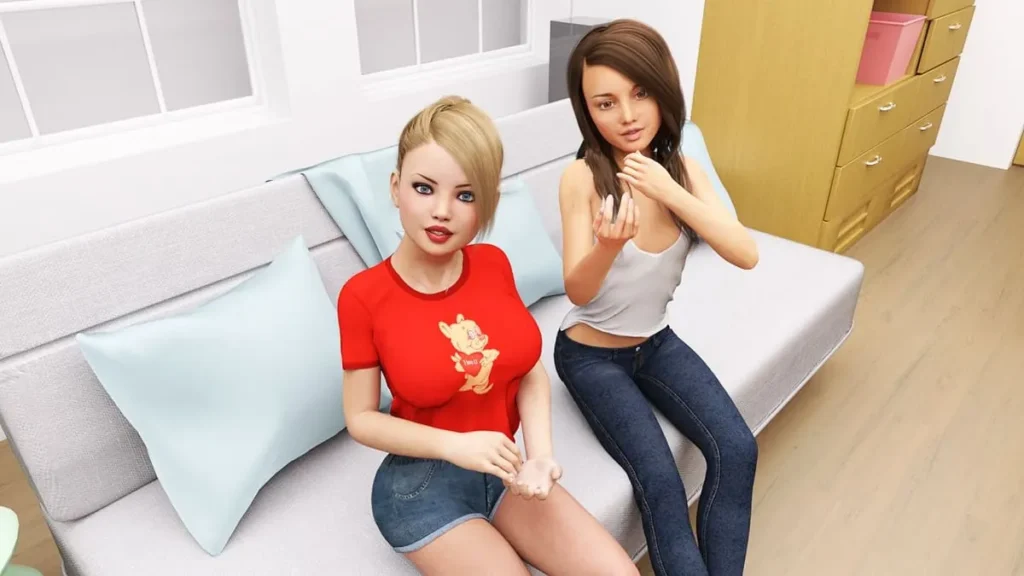



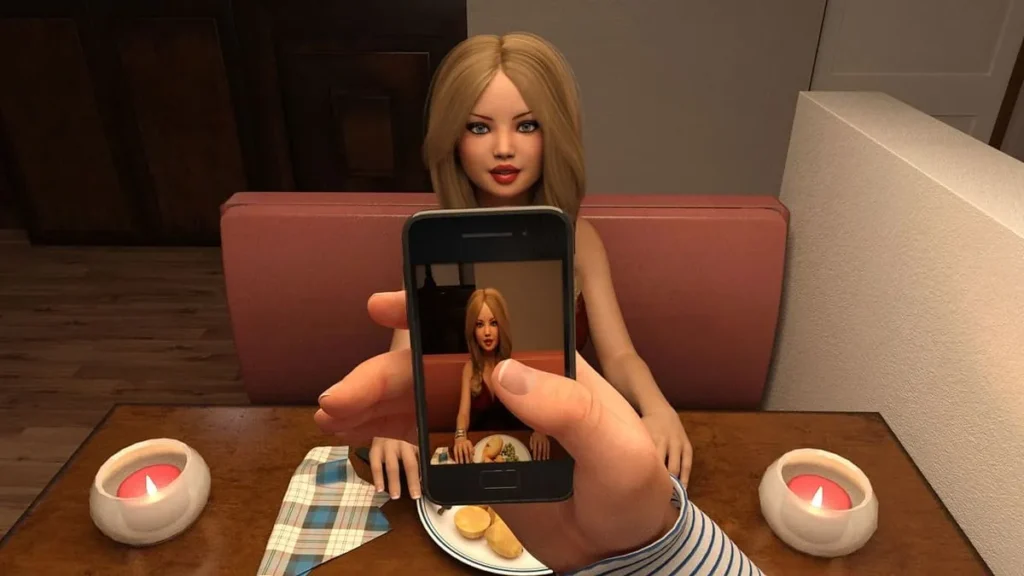




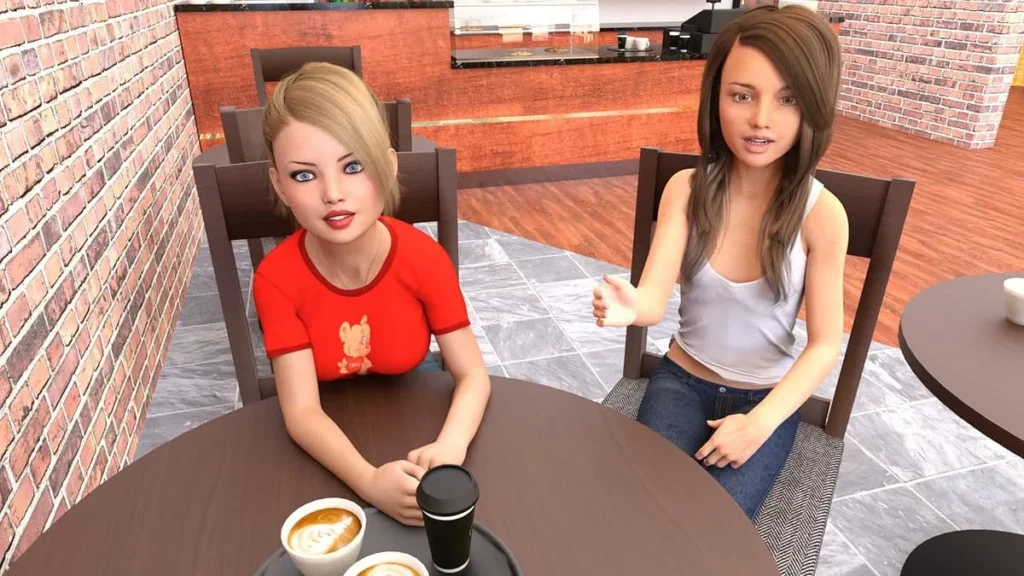
Dating My Daughter review
Master every choice, unlock all routes, and understand the interactive storytelling mechanics
Dating My Daughter is an interactive visual novel developed by MrDots Games that has gained significant attention in the choice-driven storytelling genre. This game stands apart from traditional gaming experiences by focusing on emotional narrative depth and player agency rather than action-based gameplay. The core premise follows a middle-aged protagonist reconnecting with his adult daughter after years of separation, with every decision fundamentally altering relationship dynamics and story outcomes. Players navigate complex emotional scenarios, build trust through meaningful choices, and experience multiple branching narratives that lead to vastly different endings. Understanding the game’s mechanics, character routes, and decision consequences is essential for players seeking to explore all available content and unlock hidden scenes.
Understanding Dating My Daughter: Gameplay Mechanics and Story Structure
So, you’ve started playing Dating My Daughter and suddenly you’re hit with a choice: do you help your daughter, Felicia, with her homework, or do you encourage her to take a break and watch a movie? It seems simple, right? 🎬 I thought so too on my first playthrough. I went for the movie, thinking it was the ‘fun dad’ move. Little did I know, that single, seemingly innocent decision began subtly steering my entire narrative path away from certain future scenes with other characters. That’s the magic and the meticulous design of this game—every click matters.
Welcome to the deep dive into the engine that makes Dating My Daughter such a compelling experience. This isn’t just a story you read; it’s a story you build, brick by brick, with every dialogue option and action. Forget passive entertainment. Here, you are the architect of relationships, the pilot of moral compasses, and the director of your own, often messy, cinematic drama. 🎭 This chapter is your blueprint. We’re going to peel back the layers of its interactive visual novel gameplay, decode the significance of every branching narrative choice, and master the systems that govern your virtual world. By the end, you’ll understand not just what to choose, but why your choices create the ripples they do.
How Interactive Choices Shape Your Narrative Path
At its core, Dating My Daughter is the epitome of choice-driven storytelling mechanics. The game presents you with a linear sequence of events, but your responses to those events are anything but linear. Think of it like a garden of forking paths. Every chapter presents key decision points—sometimes obvious, sometimes deceptively subtle—that act as diverging signs on a map.
These aren’t just “Good vs. Evil” picks. The game excels at presenting you with branching narrative choices that feel authentically human. Do you prioritize honesty or comfort? Do you encourage independence or offer protective guidance? Each selection feeds into a hidden ledger, influencing character flags and variable story states. For instance, choosing to be overly strict about Felicia’s curfew might increase a ‘Discipline’ score while decreasing a ‘Trust’ or ‘Closeness’ metric. These scores are rarely shown to you directly, which is crucial. You feel the consequences through altered character reactions, new dialogue options appearing (or old ones vanishing), and the gradual unlocking—or permanent locking—of future scenes.
Pro Tip: Save often and in different slots! The most fascinating way to play is to make a “what if?” save before a major decision. Live with the consequences for a few chapters, then rewind and try the other path. You’ll be amazed at how differently the story can unfold.
The interactive visual novel gameplay loop is simple but profound: Read, React, and Reap. You absorb the story and character interactions, you make a choice that reflects your desired approach, and you then live with the narrative and emotional consequences of that choice. This creates an incredibly personal connection to the story. The frustration you feel when a character reacts poorly? That’s your frustration, born from your decision. The joy of a heartfelt moment? You earned that. This emotional simulation is what separates titles like this from more traditional, static visual novels.
Character Relationship Systems and Corruption Mechanics
Now, let’s talk about the heart of the experience: the character relationship system. This isn’t a single “love meter” you fill up. Instead, think of it as a complex web of individual perceptions, trust levels, and emotional states for each major character—Felicia, Elena, Georgina, and others. Your choices build or erode these unique relationships independently.
Building a relationship often hinges on consistency, empathy, and shared moments. Supporting a character’s goals, listening to their problems, and choosing actions that align with their values will steadily open up their route. However, the system has a famous and defining layer: the corruption system Dating My Daughter is known for. This isn’t about mustache-twirling villainy; it’s a gradual, often tempting process of influencing a character’s boundaries and morals, primarily focusing on Felicia.
This mechanic is intricately tied to the character relationship system. It often involves a series of choices that promote a more permissive, hedonistic, or taboo direction in a relationship. Key moments might involve outfit choices, encouraging certain behaviors, or subtly shifting the nature of your conversations from paternal to something more ambiguous. Each step in this direction marks a point of no return on that particular path. It’s a delicate balancing act. Push too fast, and you might break trust. Don’t push at all, and you’ll remain firmly on a platonic or traditionally parental route.
Personal Insight: On my second playthrough, I wanted to explore this system. I found that the “corruption” path isn’t about force; it’s about slow persuasion and leveraging trust. It’s about presenting new ideas as “fun” or “adult,” and watching as the character’s own curiosity begins to drive the change. It’s a fascinating, and at times uncomfortable, study in influence.
Remember, these systems don’t operate in a vacuum. Choosing to deepen a “corruptive” path with one character will almost certainly affect your relationships with others. Elena, for example, may have strong opinions about how you’re raising Felicia. This interconnectedness ensures your playthrough feels cohesive and that your actions have weight across the entire social circle of the game.
Multiple Routes and Ending Variations
This is where all your careful (or reckless) choices crystallize: the pursuit of specific story routes and endings. Dating My Daughter is designed to be replayed, with each playthrough offering a distinct narrative experience focused on different characters and themes. You’re not just playing for “the good ending”; you’re playing for your ending.
The game features several primary romantic routes, each with its own tone, challenges, and emotional payoff:
* Felicia’s Route: The central and most complex path, split between a more traditional, protective relationship and the gradual, choice-heavy alternative path the corruption system Dating My Daughter facilitates.
* Elena’s Route: Focusing on rekindling an old flame, this path is often about maturity, dealing with past mistakes, and deciding what family means.
* Georgina’s Route: A path that explores new beginnings and different dynamics outside the immediate family circle.
Crucially, these routes are often mutually exclusive. Major decision points act as gates. Committing to one character’s path will frequently close the gate on another. This makes every playthrough feel unique and encourages multiple saves to experience everything the game has to offer. Furthermore, each major route isn’t just one ending. Within Felicia’s route, for example, your cumulative choices determine the specific nature of your relationship and the final outcome you achieve, leading to multiple ending variations.
A major part of the fun is knowing how to unlock hidden scenes. These are special images, scenes, or sequences that require very specific choice combinations. They might be tied to maximizing affection with a character by a certain chapter, choosing a rare dialogue option that only appears if you made three earlier, specific choices, or successfully navigating the delicate phases of the corruption system. The Extra Scenes content pack acts as a massive expansion for this, adding layers of new possibilities and outcomes to the existing story routes and endings, giving veteran players a wealth of new content to discover.
To help you visualize the commitment and focus required for each path, here’s a breakdown:
| Character Route | Core Story Focus | Key Decision Points | Unique Scenes & Endings |
|---|---|---|---|
| Felicia | Rebuilding a father-daughter relationship, with paths diverging toward protective care or a romantic & corruptive influence. | Early trust-building choices, responses to her rebellious acts, key conversations about her mother, and crucial outfit/activity selections. | Multiple endings based on relationship status and corruption level. Contains the most hidden scenes, especially tied to the alternative path. |
| Elena | Reconciliation and romance with the former wife/mother, dealing with past pain and co-parenting dynamics. | Honesty about the past, support during her conflicts, setting boundaries with Felicia, and choosing between old history or new futures. | Tends toward more mature, emotionally resolved endings. Scenes often focus on adult communication and rebuilding broken trust. |
| Georgina | New adult romance outside the family core, offering a “fresh start” narrative away from immediate drama. | Pursuing her independently, managing time between her and family obligations, and defining the seriousness of the relationship. | Endings often involve themes of escape and new beginnings. Scenes are typically less fraught with historical baggage. |
Frequently Asked Questions
Q: I messed up a choice in Chapter 2. Have I ruined my chance for a specific ending?
A: Not necessarily! While some early choices are critical, the branching narrative is often forgiving enough to let you steer back. However, some rare, specific scenes might be locked. This is why multiple save files are your best friend. The game is designed for replayability, so view a “mistake” as simply exploring a different narrative branch. 🔀
Q: Can I pursue multiple romantic routes at the same time?
A: Only up to a point. The character relationship system will eventually force you to choose. The game has clear “point of no return” decisions where you must commit to one character’s path to progress their romance. Trying to juggle everyone will likely lead to a situation where you fail to meet the specific thresholds for any one route, potentially locking you out of the deeper romantic endings.
Q: How do I know if I’m on the “corruption” path?
A: The game rarely signposts it blatantly. Look for subtle shifts in dialogue tone, Felicia’s increased willingness to discuss adult topics or engage in risqué behavior, and the availability of choices that encourage less parental and more flirtatious or permissive interactions. It’s a slow burn, built over many chapters through consistent choice-driven storytelling mechanics.
Q: Is the Extra Scenes pack necessary to get the “complete” experience?
A: Think of the base game as a full, satisfying meal. The Extra Scenes pack is the delicious dessert and a fine after-dinner drink. It’s not required to understand the core story, but it significantly expands the interactive visual novel gameplay, adding depth, alternative outcomes, and more content to unlock, especially for completionists wanting every hidden scene.
Mastering Dating My Daughter means embracing its philosophy: you are not a passenger on this narrative journey, but the driver. Every click is a turn of the wheel. Your understanding of the character relationship system, your strategic approach to branching narrative choices, and your curiosity to explore every story route and ending will transform your experience from simply playing a game to authoring a personal, interactive drama. Now, with this guide in hand, go back to that save file. That choice between homework and a movie? You now see the invisible paths stretching out from it. Choose wisely—or don’t. The beauty is that you get to choose what “wisely” even means. Happy exploring! 🗺️✨
Dating My Daughter represents a distinctive approach to interactive storytelling, prioritizing emotional depth and player agency over traditional gaming mechanics. The game’s strength lies in its complex relationship systems, branching narratives, and meaningful choices that genuinely impact character development and story outcomes. Whether pursuing the daughter’s romantic path, exploring Elena’s storyline, or developing Georgina’s relationship, players discover that early decisions create cascading consequences throughout the narrative. The incorporation of relationship points, outfit selection mechanics, and exclusive content packs adds layers of replayability and encourages players to explore alternative choices. Understanding these systems transforms the experience from a linear story into a personalized narrative journey where your decisions authentically shape the emotional landscape and available endings. For players seeking to experience all content and unlock hidden scenes, careful attention to choice consequences and strategic decision-making becomes essential to fully appreciating the game’s narrative complexity.