Culture Shock
Play Culture Shock
Culture Shock Screenshots


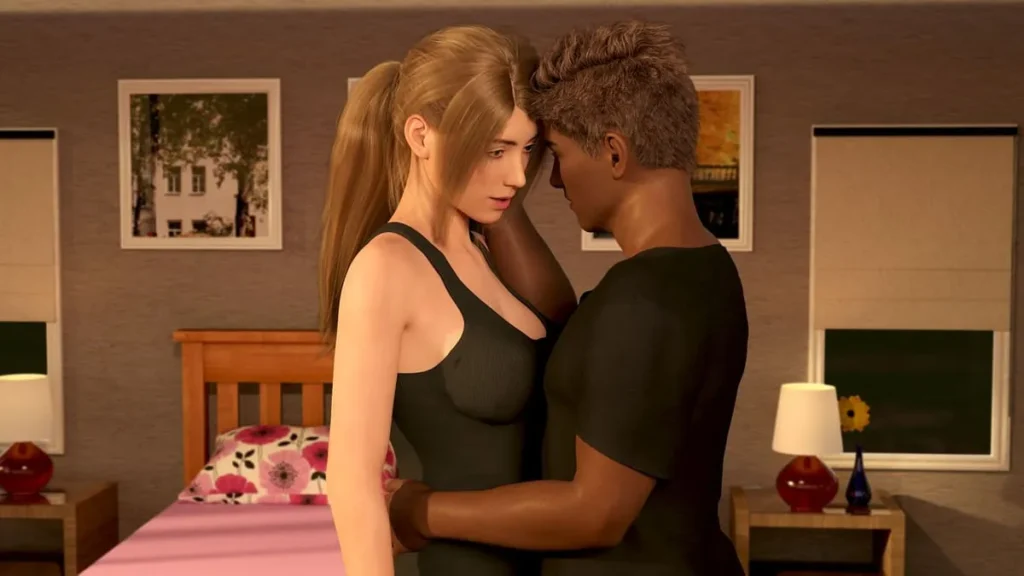
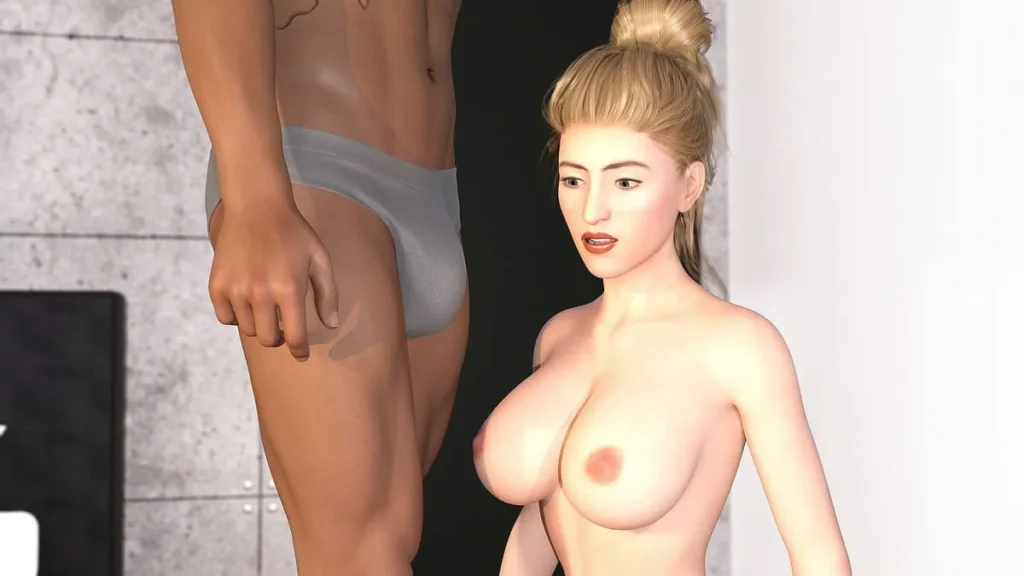

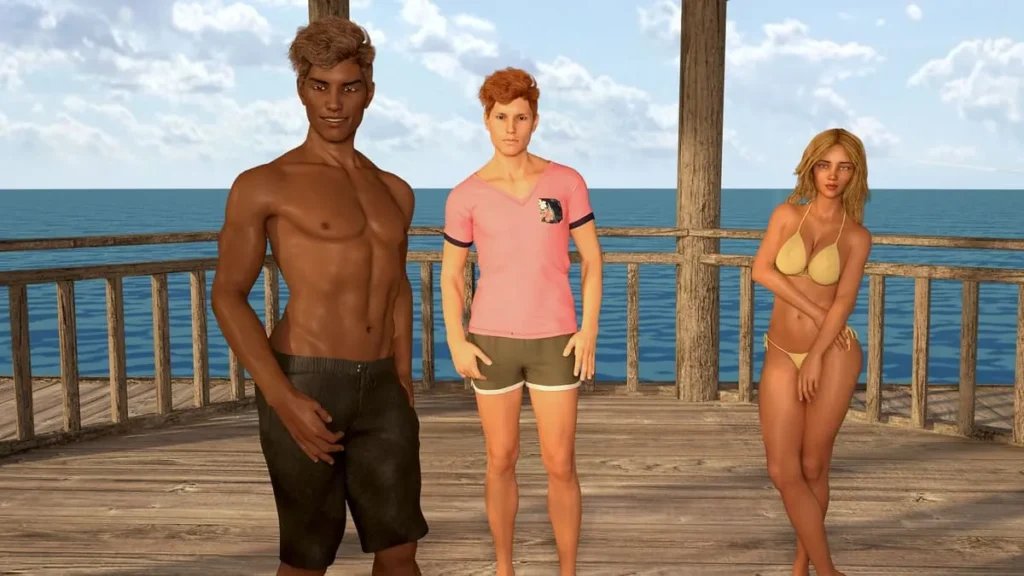


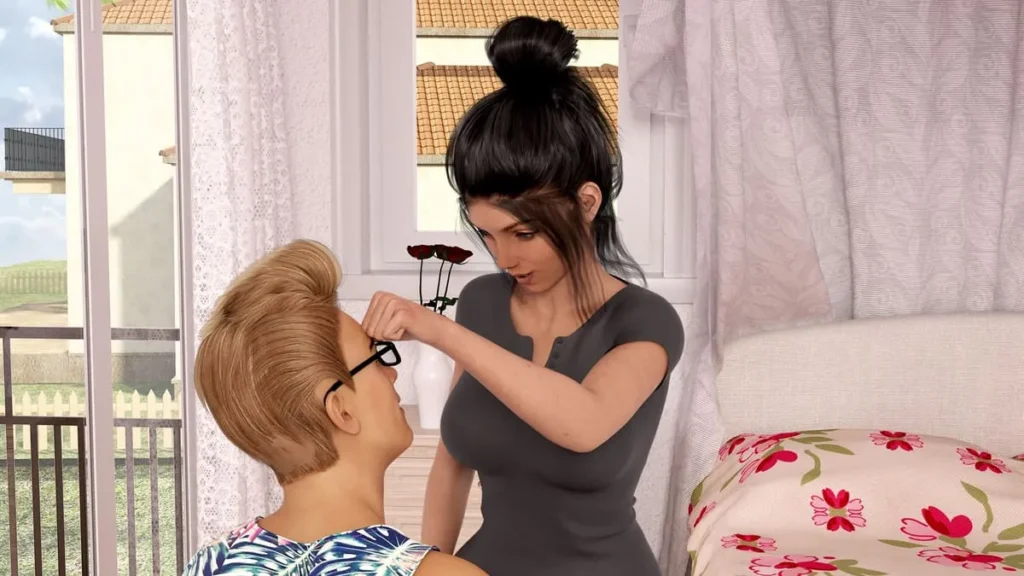
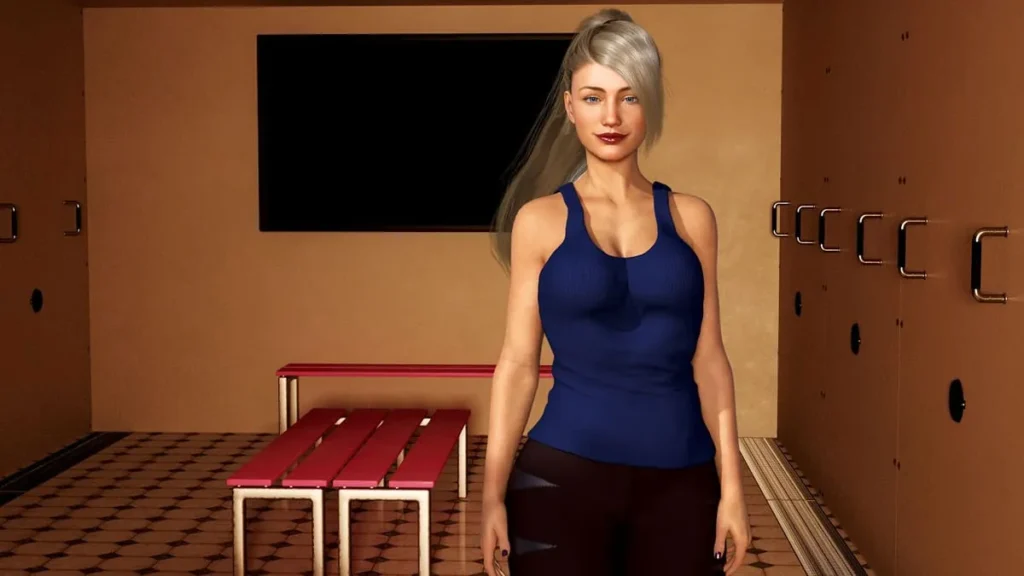

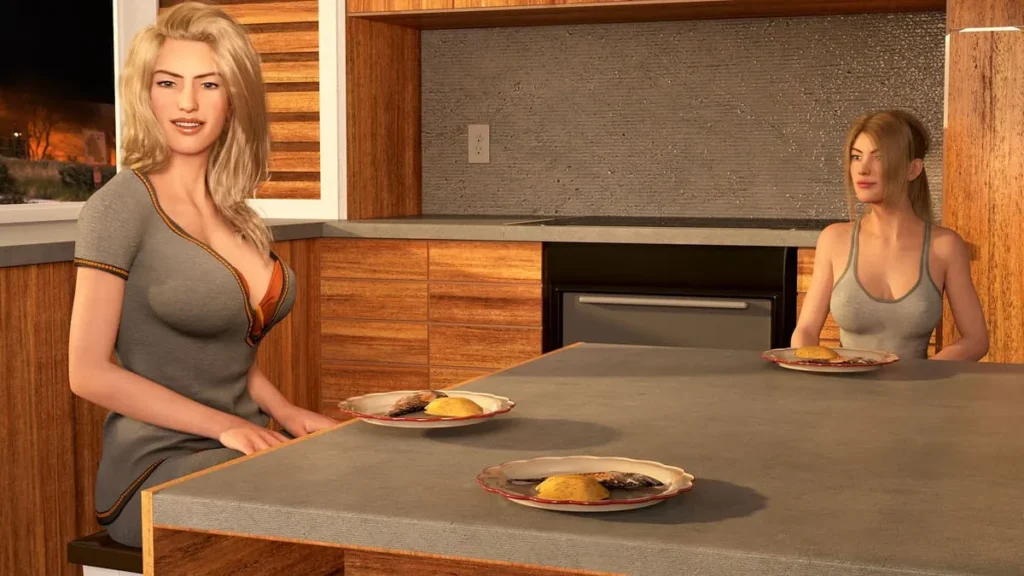
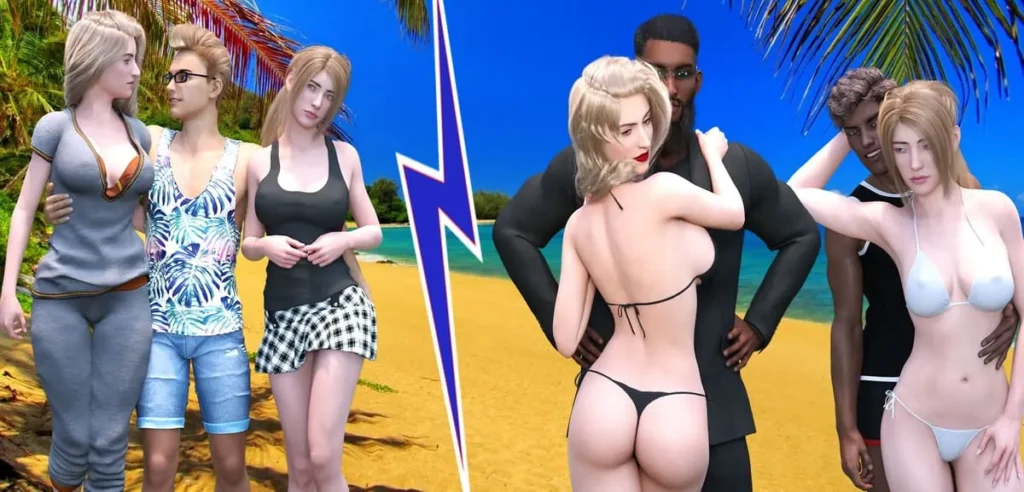
Culture Shock review
Explore the narrative-driven experience of this indie first-person visual novel
Culture Shock is a first-person visual novel developed by an independent creator that follows the journey of a protagonist relocating from a rural background to an urban environment. The game centers on personal transformation and adaptation as the main character navigates a completely different lifestyle and culture. Players make choices that shape the narrative and determine relationships with various characters throughout the experience. This guide explores the game’s core mechanics, storyline, character interactions, and what makes it a distinctive entry in the visual novel genre.
Understanding Culture Shock: Game Overview and Core Mechanics
So, you’ve clicked on a game called Culture Shock and you’re wondering what you’re in for. Is it another click-through story, or something more? 🤔 Let me tell you, as someone who’s played my fair share of narrative games, this one caught me off guard in the best way. It’s not just reading; it’s living a pivotal summer in a young man’s life. If you’ve ever felt out of place, dreamed of a fresh start, or just love stories where your choices genuinely matter, you’re in the right place.
This guide will walk you through everything you need to know about this unique indie visual novel, from its heartfelt story to the mechanics that put you firmly in the driver’s seat. Get ready to pack your bags and move to Honolulu. 🌺
What Is Culture Shock and How Does It Work?
At its core, Culture Shock is a narrative experience about transformation. You step into the worn-out shoes of Jax, an eighteen-year-old who just graduated high school in a sleepy, rural town. His future seems as flat and predictable as the horizon back home—until a life-altering letter arrives. His aunt, whom he hasn’t seen in years, invites him to spend the summer with her in the vibrant, bustling city of Honolulu, Hawaii. 🏙️➡️🏝️
This is the catalyst. The game asks: what happens when you take a kid from a traditional, perhaps sheltered, background and drop him into a world of urban energy, new social rules, and complex relationships? That’s the “shock” in Culture Shock visual novel, and it’s the journey you’ll navigate.
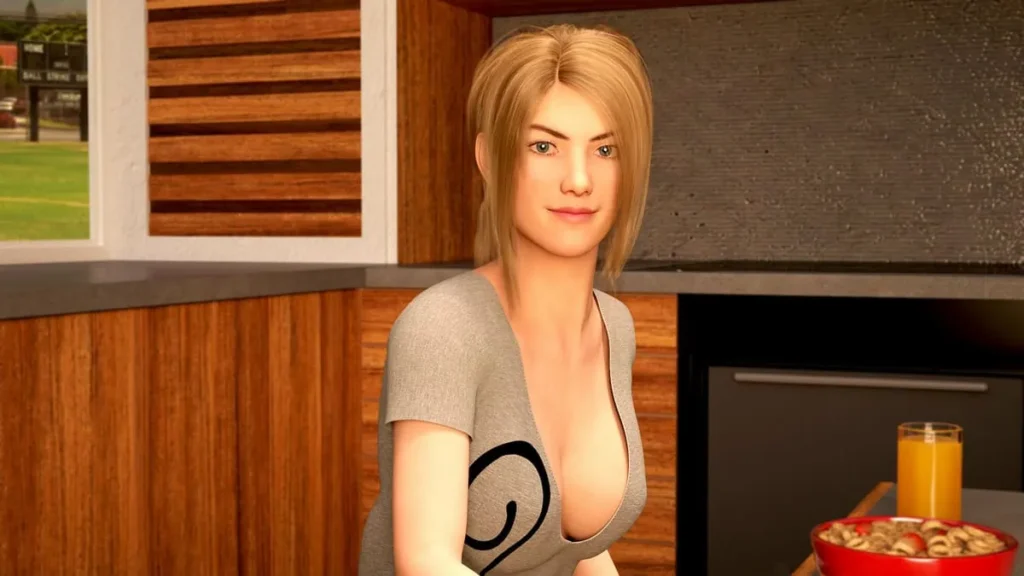
So, how does Culture Shock game work? It’s built on the classic visual novel framework but with a crucial twist: the first-person visual novel gameplay. Unlike many visual novels where you watch characters interact from a slight distance, Culture Shock presents the world directly through Jax’s eyes. You see his hands, his perspective. When he talks to someone, you’re looking at them head-on. This immersive perspective makes every interaction feel personal and every decision weighty. You’re not guiding Jax; you are Jax, making the cultural and personal clashes hit much closer to home.
The game is driven entirely by player choice. From moment to moment, you’ll be presented with dialogue options, internal thoughts, and action prompts. Do you stick to your reserved, polite manners when meeting your aunt’s bold friends, or do you try to match their confident energy? Do you explore the city’s nightlife or spend a quiet evening at home? These aren’t just flavor text; they are the building blocks of your unique story. The narrative branches significantly based on your decisions, affecting your relationships, Jax’s personality, and ultimately, how his summer—and his life—unfolds.
Pro Tip: Don’t try to “game” the system on your first playthrough. Culture Shock rewards authenticity. Make choices that feel right to you as Jax in the moment, and see where that organic path leads. The replay value comes from going back and making different, equally valid decisions!
The game also explores mature themes—not for sensationalism, but to honestly portray the realities of adulthood, social dynamics, and cultural adjustment Jax faces. This branching story visual novel doesn’t shy away from the complexities of its central clash, making the story feel grounded and real.
Gameplay Mechanics and Player Choice System
Let’s dive under the hood. The magic of this player choice narrative game isn’t a mystery; it’s a brilliantly designed system of cause and effect. The indie visual novel mechanics here are all about giving you agency without overwhelming you with complicated stats or menus.
The primary interface is deceptively simple. You’ll be presented with scenes and conversations. During key moments, choice prompts appear. These can be:
- Dialogue Choices: What Jax says aloud. This is your main tool for shaping relationships.
- Internal Monologue: What Jax thinks to himself. These choices shape his character development, his confidence, and his outlook.
- Action Prompts: Deciding what Jax does in a situation, which can open up or close off entire story threads.
Here’s the key: these choices are often timed. You have a few seconds to decide, mimicking the pressure of real-life social interactions. Do you carefully craft a response, or go with your gut? This timer is a fantastic indie visual novel mechanics touch that prevents overthinking and increases immersion.
But where’s the feedback? How do you know you’re making an impact? Culture Shock uses a subtle, organic system. Characters will remember what you said and how you acted. They’ll bring it up later. Their tone, their willingness to open up, and the options available to you in future scenes will all shift based on your prior decisions. You might unlock a heartfelt late-night conversation with one character, while another path might lead to a fun, chaotic group adventure. There’s no floating “+5 Friendship” text—the change is woven into the story itself.
Example of a key decision point in the game showing how player choices affect relationship outcomes:
Imagine Jax is at a beach party with his aunt’s friends. A confident, outgoing character offers him a drink.
* Choice A (Reserved): “No, thank you. I’m fine with water.” → This might paint Jax as polite and cautious, earning the respect of more traditional characters but potentially making him seem distant to others.
* Choice B (Curious): “What is it? I’ve never tried that before.” → This shows Jax is willing to step out of his comfort zone. It could kickstart a deeper conversation with the offerer, beginning a new friendship branch.
* Choice C (Assertive): “Sure, why not? Let’s see what the city’s about.” → This is Jax actively trying on a new persona. It might fast-track his acceptance into the group’s inner circle but could also lead to situations he’s unprepared for.
A single choice like this can set the tone for an entire relationship arc. This is the essence of a branching story visual novel done right.
To visualize how these mechanics create different narrative paths, consider this simplified map of potential outcomes from a single story beat:
| Your Core Choice as Jax | Short-Term Narrative Effect | Potential Long-Term Story Branch |
|---|---|---|
| Embrace the urban lifestyle eagerly | Fast integration into new social circles, exciting adventures. | Jax’s transformation is rapid but may lead to him losing touch with his roots, creating conflict with family or old friends. |
| Resist change, cling to rural habits | Feelings of isolation and homesickness, slower relationship building. | A story focused on internal struggle and perhaps finding comfort in unexpected, quieter connections within the city. |
| Navigate a cautious middle path | A balanced but complex experience, juggling two worlds. | The most nuanced ending, where Jax synthesizes his old and new selves, potentially achieving the most mature personal growth. |
The Protagonist’s Journey: From Rural to Urban Life
Every great story needs a compelling character to follow, and Jax is the perfect vessel for this experience. His visual novel character development is the heart of the entire game. He isn’t a blank slate; he arrives with a fully formed background—his small-town values, his uncertainties, his quiet dreams. Your job isn’t to create him from scratch, but to guide his evolution.
This journey is the central theme: the transformation from a rural, traditional mindset to navigating an urban, modern one. It’s about more than just location. It’s about:
* Social Codes: The direct, fast-paced communication of the city vs. the polite, familiar rhythms of home.
* Ambition: The pressure to constantly “be” someone and strive for more vs. the contentment with a simpler, stable life.
* Identity: Who is Jax when he’s stripped of the “who everyone knows him as” context of his hometown? Who does he want to become?
The first-person visual novel gameplay is essential here. Because you see the world through his eyes, you feel his awe at the towering skyscrapers, his anxiety in a crowded party, and his confusion when faced with unfamiliar social cues. The visual novel character development happens in real-time within you, the player.
His relationships are the catalysts for this change. Your aunt becomes a guide (or a source of tension). New friends become mirrors, reflecting different versions of who Jax could be—the free spirit, the ambitious go-getter, the cynical realist. How you manage these relationships through your player choice directly fuels Jax’s metamorphosis.
Will he assimilate completely, leaving his old self behind? Will he reject the new world and retreat? Or, most challenging of all, will he find a way to take the best parts of both worlds and build a new, hybrid identity that is uniquely his? This process is messy, non-linear, and deeply personal—just like real growth.
The beauty of Culture Shock as a branching story visual novel is that it validates every possible outcome. There’s no single “good” ending. An ending where Jax returns home, wiser for his experience but choosing his roots, is just as legitimate as one where he decides to build a new life in the city. The “win” condition is a completed, believable arc shaped by your decisions.
In the end, Culture Shock is more than a game; it’s an experiment in identity. It uses the powerful tools of indie visual novel mechanics and immersive first-person visual novel gameplay to let you safely explore a universal question: How do we change when our world changes around us? By putting you directly in Jax’s shoes, it makes that question not just something you watch, but something you live, breathe, and ultimately answer for yourself. Your summer in Honolulu awaits. What story will you create? 🌅
Culture Shock stands out as an indie visual novel that uses the concept of cultural displacement as both a narrative framework and gameplay driver. The game’s first-person perspective and choice-based mechanics create an immersive experience where players directly shape the protagonist’s transformation from rural to urban life. Through interactions with diverse characters and meaningful decisions, players explore themes of adaptation, personal growth, and lifestyle change. Whether you’re interested in visual novels as a storytelling medium, indie game development, or narrative-driven experiences, Culture Shock offers a unique perspective on how games can explore complex social themes through interactive fiction. The game demonstrates how indie developers can create compelling narratives that challenge players to consider different cultural perspectives and personal choices.