Braveheart Academy
Play Braveheart Academy
Braveheart Academy Screenshots

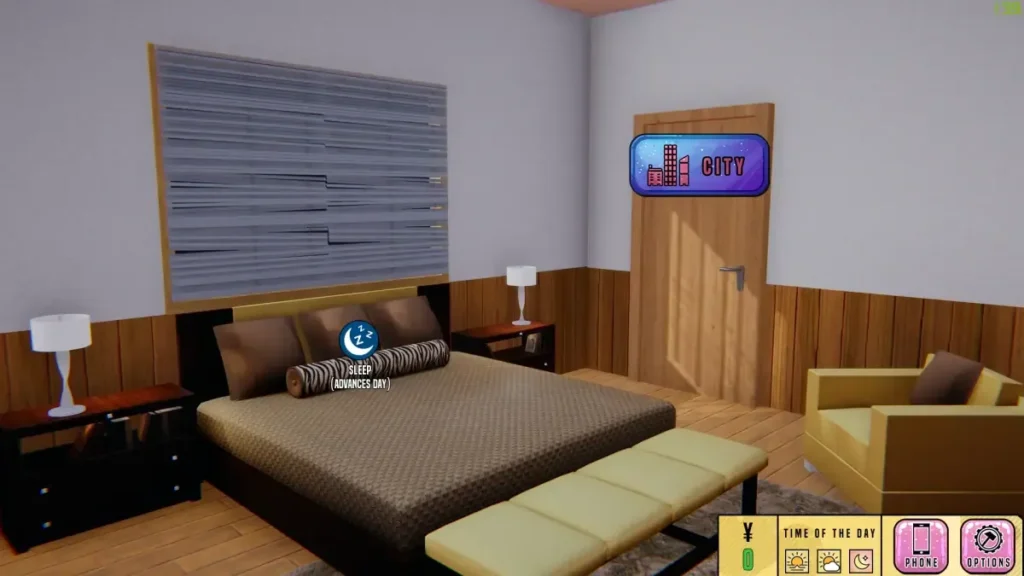
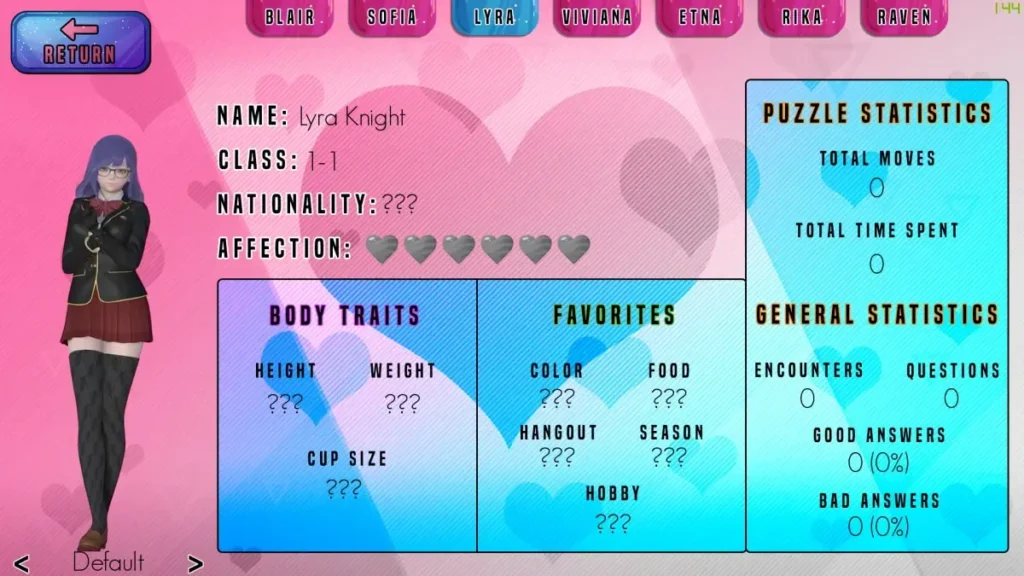
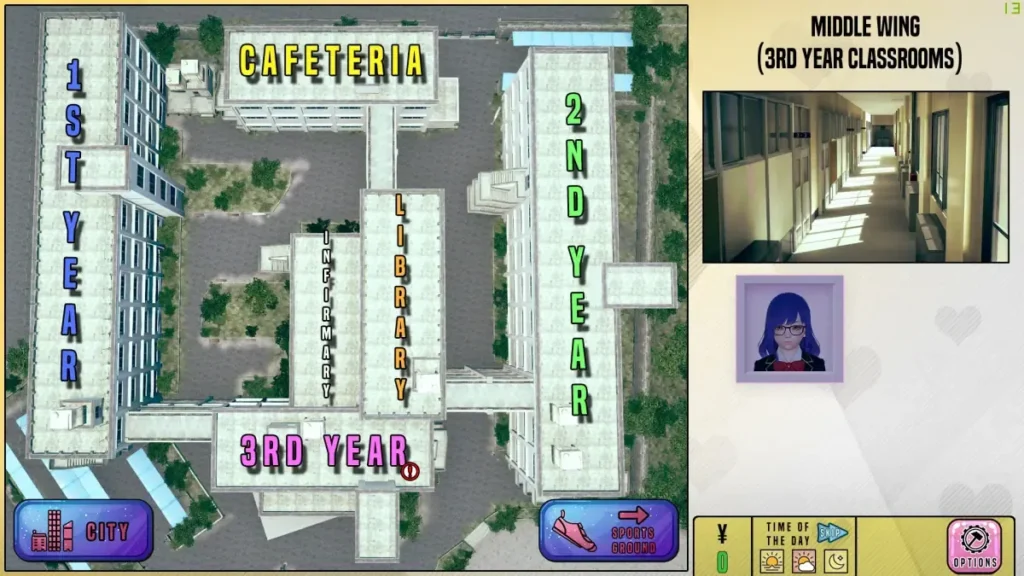
Braveheart Academy review
Master relationships, unlock steamy scenes in this visual novel eroge
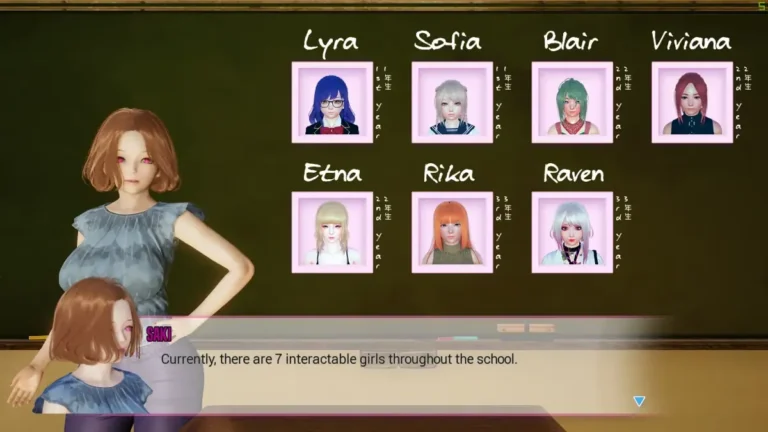
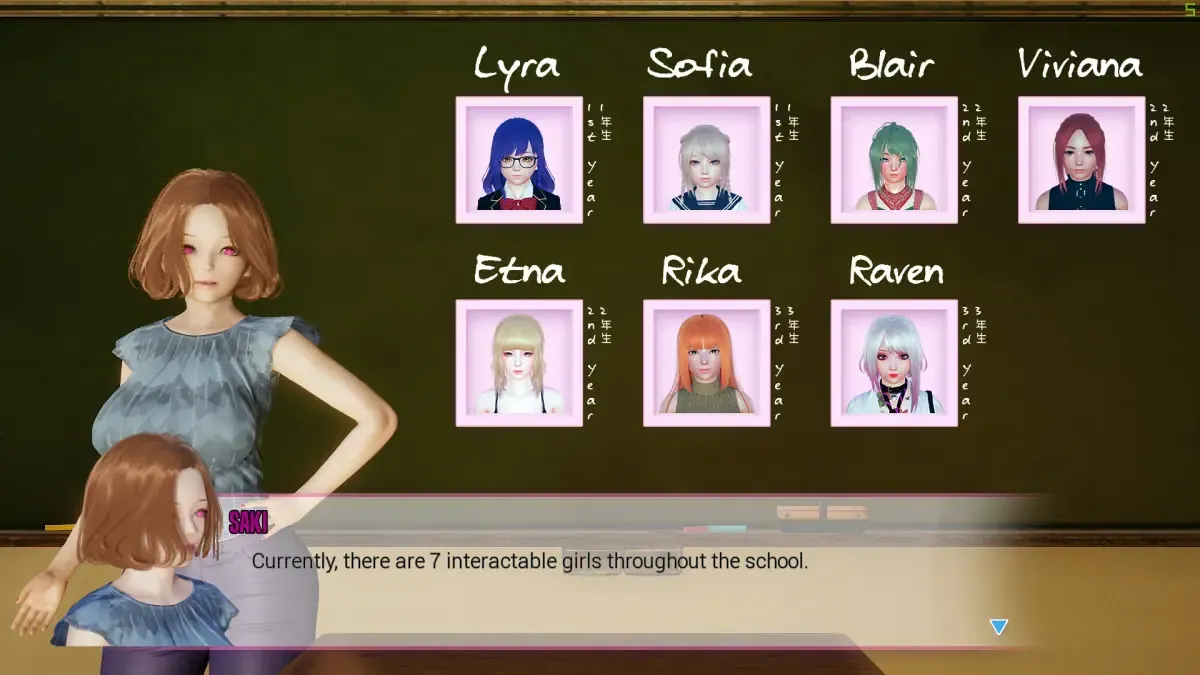
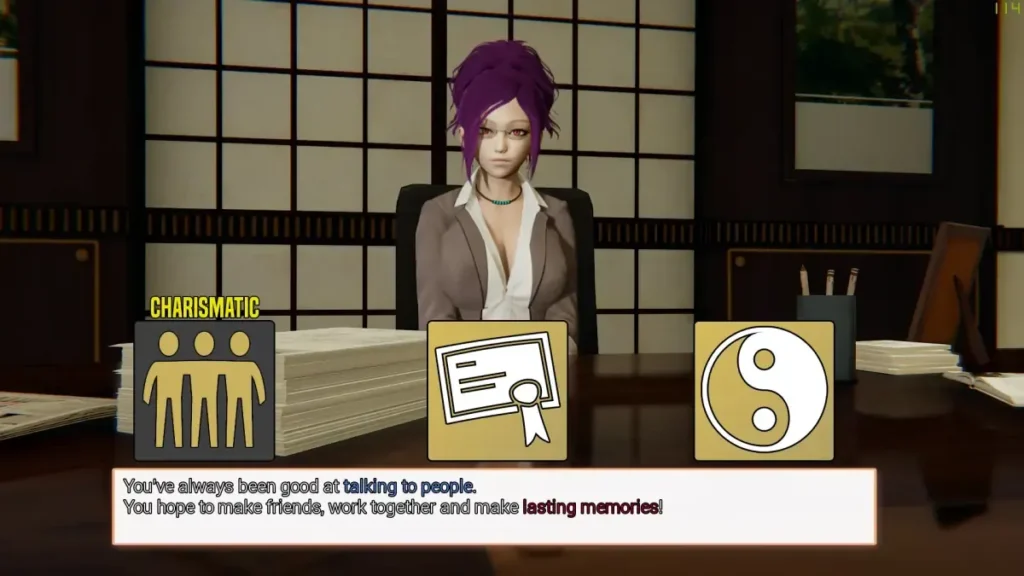
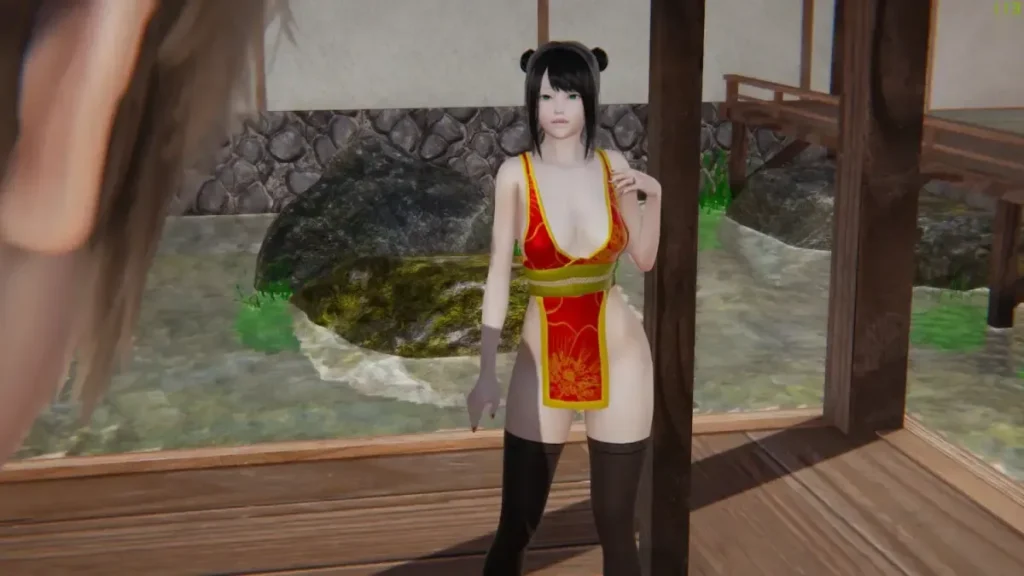
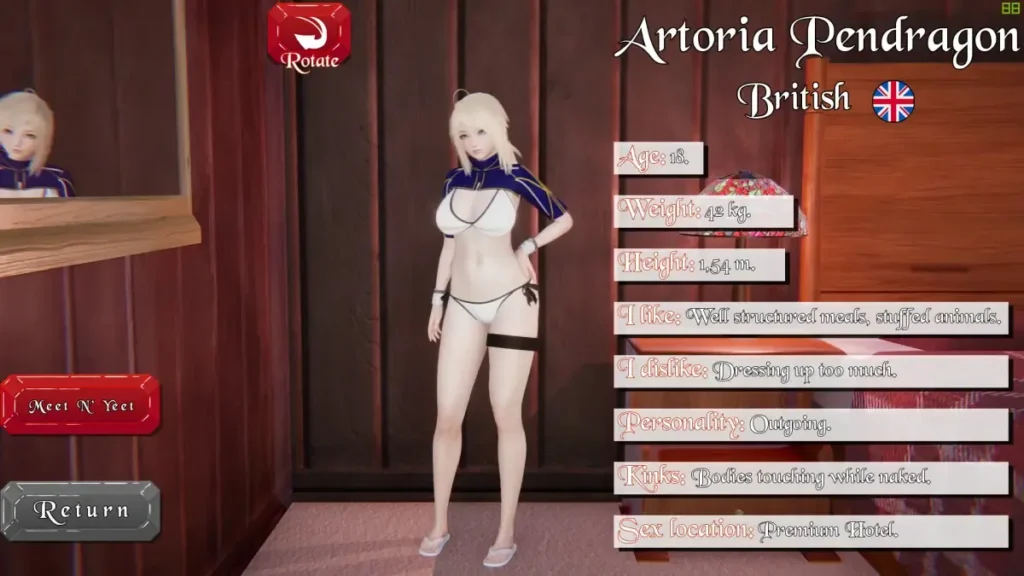
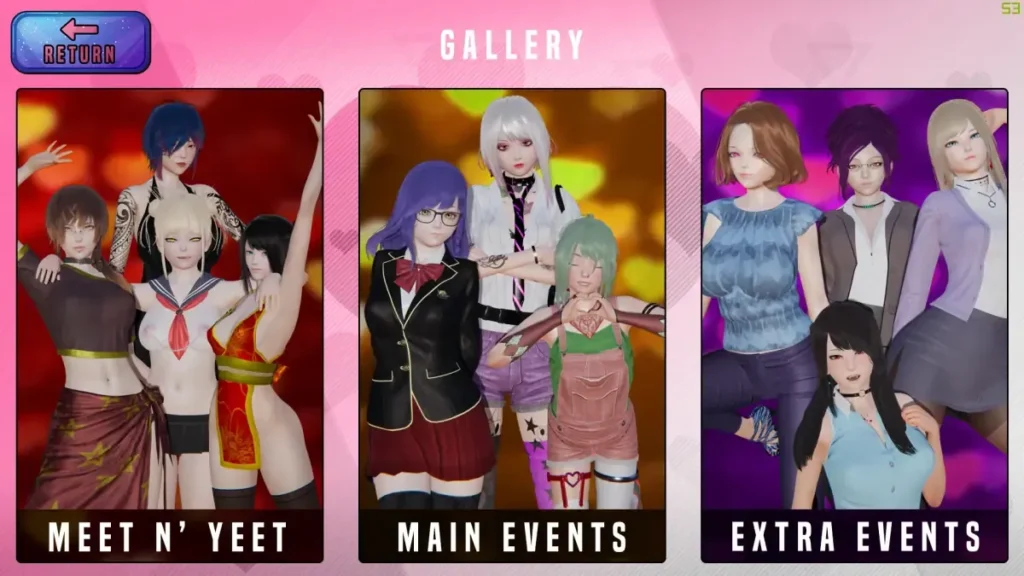
Ever stepped into a world where every chat could lead to romance or rivalry? That’s Braveheart Academy for you—a gripping adult eroge blending visual novel vibes with dating sim thrills. Developed by Chrys, this game drops you into an academy buzzing with unique characters like teasing Blair, romantic Etna, and edgy Raven. I remember my first playthrough: fumbling dialogues, missing steamy H-scenes, then grinding stats to win hearts. With its three-phase dialogue system and branching paths, Braveheart Academy hooks you with player-driven stories. Ready to conquer the academy? Let’s dive into strategies that turned my fails into epic wins.
What Makes Braveheart Academy Stand Out?
I still remember the first time I booted up Braveheart Academy gameplay. I was expecting a pretty standard visual novel—click through some dialogue, pick the obvious nice-guy options, watch a few steamy scenes. Boy, was I wrong. What I discovered was a relationship simulator with so much depth and player agency that I got completely, utterly hooked. The secret sauce? It all comes down to one brilliant, game-changing mechanic. Forget simple yes/no choices; this is about strategic conversation. 😲
The heart and soul of this experience is its three-phase dialogue system. This isn’t just chatting; it’s a verbal dance where every step matters. Understanding how does Braveheart Academy dialogue work is the key to unlocking everything the game has to offer, from deep character connections to those coveted animated H scenes Braveheart Academy is famous for. It turns every interaction into a mini-game of social strategy, and it’s what makes replays not just fun, but essential.
Discovering the Three-Phase Dialogue Magic
So, let’s break down this genius system. Every major conversation in Braveheart Academy is structured into three distinct phases: Setup, Escalation, and Climax. Think of it like building a fire. You don’t just throw a match on a log; you carefully arrange the kindling, nurture the flame, and then feed it to create a blaze. 🔥
-
Phase 1: The Setup. This is your opening move. You’re engaging in casual banter, feeling out the character’s mood, and establishing the vibe. Is Lila nervous about the upcoming art show? Is Kael being unusually smug after acing an exam? Your choices here build rapport and set the stage. It’s about listening and responding authentically, not just picking the “flirt” option every time. Sometimes, a sincere, supportive comment here builds more hidden affinity than a cheesy pickup line.
-
Phase 2: The Escalation. Now you turn up the heat. This is where you test boundaries, introduce more personal topics, or add a layer of playful (or not-so-playful) tension. I was sweating during Kael’s bake sale sabotage chat in this phase. Do I call him out directly, appealing to honor? Or do I play along with his cunning plan, showing I’m a fellow schemer? Your choices here directly influence hidden stats like Creativity, Cunning, and Courage. Choosing a creative solution to a problem boosts Creativity. Outsmarting someone fuels Cunning. Taking a bold, direct action builds Courage.
-
Phase 3: The Climax. This is the make-or-break moment. The conversation reaches a pivotal point, and you’re presented with choices that truly matter. These decisions often lock in stat gains, open or close entire Braveheart Academy branching paths, and determine the immediate outcome of the scene—whether it leads to a tender moment, a heated argument, or the door opening to one of those stunning animated scenes. It’s where all your prior choices crystallize.
Here’s a personal insight: I once bungled a conversation with the bookish Elara because I focused only on Cunning stats. In the Climax phase, I tried to cleverly manipulate her into sharing secret library lore. She saw right through me, shut down completely, and I missed a huge chunk of world-building and a potential romantic thread. The game doesn’t hold your hand; it respects your choices (even the bad ones) and weaves them into the narrative. This three-phase dialogue system is the engine that makes every playthrough unique.
Why Character Renders and Animations Captivate
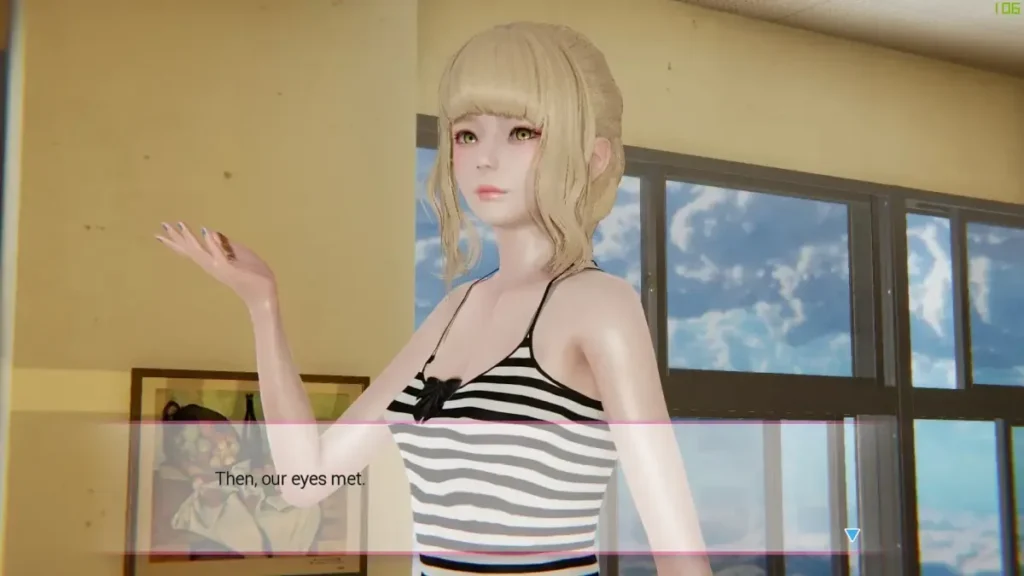
Let’s talk about the payoff. All that clever dialogue leads somewhere, and oh, what places they are. Braveheart Academy doesn’t just tell you about intimacy; it shows it with breathtaking artistry. The character renders are consistently gorgeous, with expressive eyes and subtle details that make each character feel alive. But where it truly shines is in its animated H scenes Braveheart Academy players seek out.
These aren’t static images with a bit of wiggle. We’re talking about fully realized, fluid animations that bring every moment to life. A hesitant touch, a change in expression, the dynamic movement between characters—it’s all crafted with care and an eye for emotion. The accompanying CG art is beautiful, but the animation is what sells the authenticity of the connection you’ve built. It feels like a direct, uncensored result of your conversational journey, a reward that’s both visually spectacular and narratively satisfying. 😍
This commitment to quality animation extends beyond just the romantic scenes. Subtle character animations during regular dialogue—a nervous fidget, a confident smirk—add layers to the Braveheart Academy gameplay. You’re not just reading moods; you’re seeing them.
Unlocking Multiple Endings Through Choices
This is where your strategic choices across the entire game come to a head. Braveheart Academy endings are not a simple binary of “good” or “bad.” They are rich, varied conclusions that reflect the person you’ve chosen to be and the relationships you’ve nurtured (or sabotaged). Your hidden stats and character relationship levels are the keys to these destinies.
The game features extensive Braveheart Academy branching paths. Will you help Lila embrace her artistic passion, leading to a Romantic Ending where you both leave to study abroad? Or will your rivalry with Kael escalate into a powerful, competitive partnership that dominates the student council? Each path has specific, often demanding, requirements.
For example, to achieve the “Artistic Soulmates” ending with Lila, you might need a Relationship Level of 8 and a Creativity stat of 75 or higher. Meanwhile, unlocking Kael’s “Shadow Duo” ending could require high Cunning and a specific series of choices during key story clashes. Miss those stats, and you’ll be diverted to a more generic friendship path or a completely different outcome.
To visualize how these paths diverge, here’s a breakdown of some key endings:
| Ending Path | Core Character | Key Requirement | Primary Stat Focus |
|---|---|---|---|
| Romantic: Artistic Soulmates | Lila | Relationship Level 8, Creativity 75+ | Creativity |
| Rivalry: Shadow Duo | Kael | Relationship Level 6, Cunning 60+, Complete “Bake Sale Sabotage” Event | Cunning |
| Pure Heart: Campus Idealist | Elara | Relationship Level 7, Courage 70+, Discover All Library Lore | Courage |
| Neutral: Academy Graduate | N/A | Balance all stats between 40-50, No character above Level 5 | Balanced |
My biggest piece of actionable advice? Balance your stats early on. Don’t just pump points into one attribute because you like one character. Spread your conversational choices around in the first few chapters. This keeps the most Braveheart Academy branching paths open to you for longer, allowing you to make a deliberate choice about who you want to be later, rather than being locked out because you neglected a stat. A balanced start gives you the ultimate freedom to specialize later.
Pro Tip: In your first playthrough, embrace the role-play. Don’t save-scum every choice. Live with your conversational failures and surprises. The most memorable Braveheart Academy endings often come from the unexpected paths you stumble into authentically.
So, why does Braveheart Academy stand out in a crowded field? It’s the seamless fusion of smart, strategic gameplay—centered on that incredible dialogue system—with stunning visual rewards and meaningful narrative consequences. It respects your intelligence, rewards your emotional investment, and demands to be replayed. It’s not just about watching stories unfold; it’s about mastering the art of connection and seeing those efforts reflected in every glance, every animation, and every ending. That’s the ultimate achievement.
To get you started on mastering this world, here are some essential tips:
- Talk to Everyone, Every Time. Side characters often offer stat boosts or lore that unlocks special dialogue options with main characters later.
- Experiment in Phase 2. The Escalation phase is the best for safely testing how a character reacts to different aspects of your personality (Creative, Cunning, Courageous).
- Keep a Balanced Stat Sheet Early. Aim for around 40 in each core stat during the first three chapters to avoid being locked out of major paths prematurely.
- Pay Attention to Environment. Sometimes, the best dialogue choice is to notice something in the background art—it can trigger unique responses.
- Embrace Failure. Missing a scene or an ending isn’t a loss; it’s a reason to replay. The game is designed for multiple journeys, each with its own discoveries.
Braveheart Academy isn’t just a game—it’s your ticket to mastering academy romances through clever dialogues, deep characters, and rewarding choices. From my endless replays chasing every H-scene with Etna or Raven, I’ve seen how patience unlocks the best stories. Whether you’re romancing Blair’s teasing side or rivaling Kael, every path feels personal. Grab the latest update, dive in, and share your wildest endings in the comments. Your academy adventure starts now—what route will you conquer first?