Between Humanity
Play Between Humanity
Between Humanity Screenshots


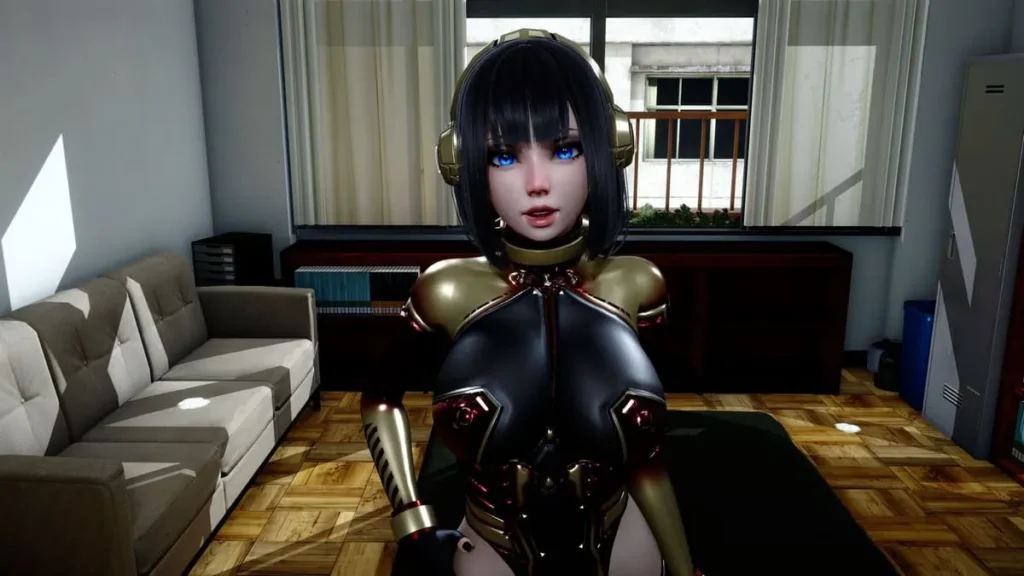

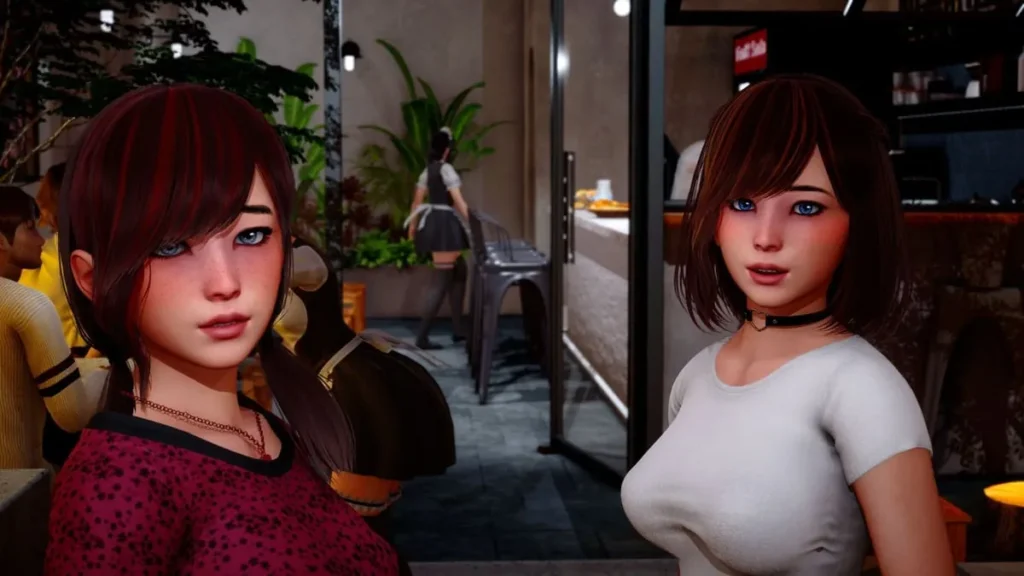

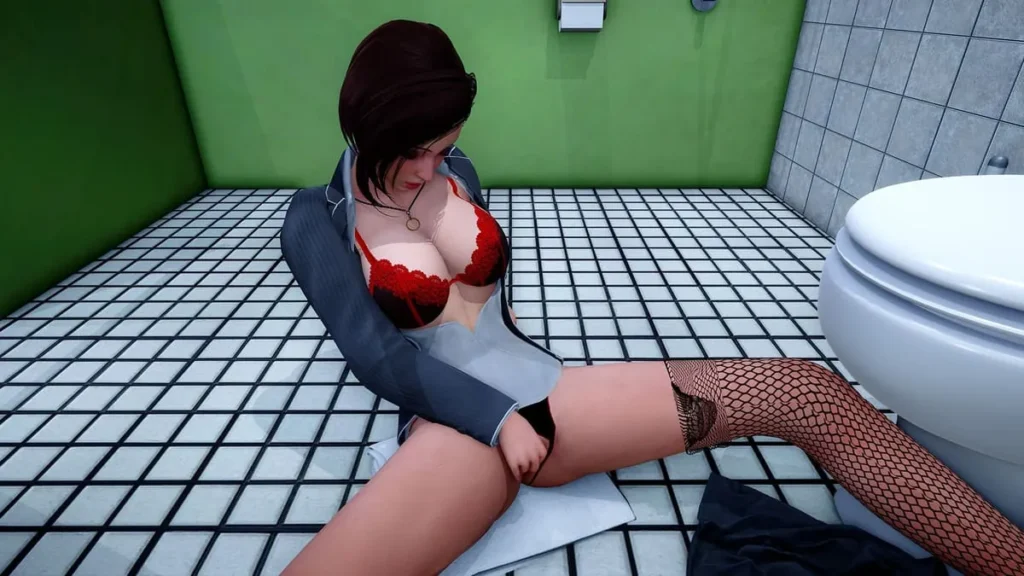


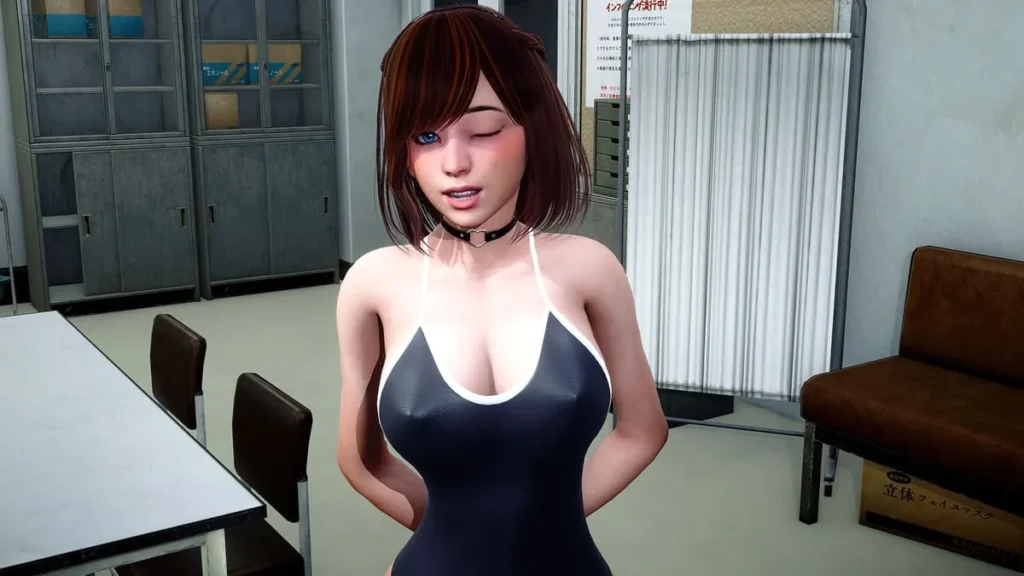
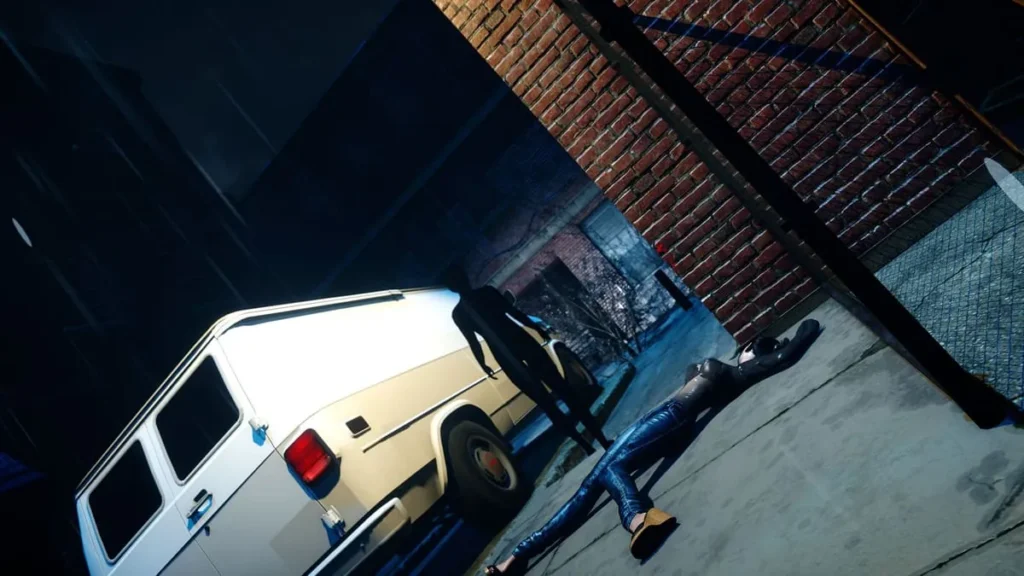

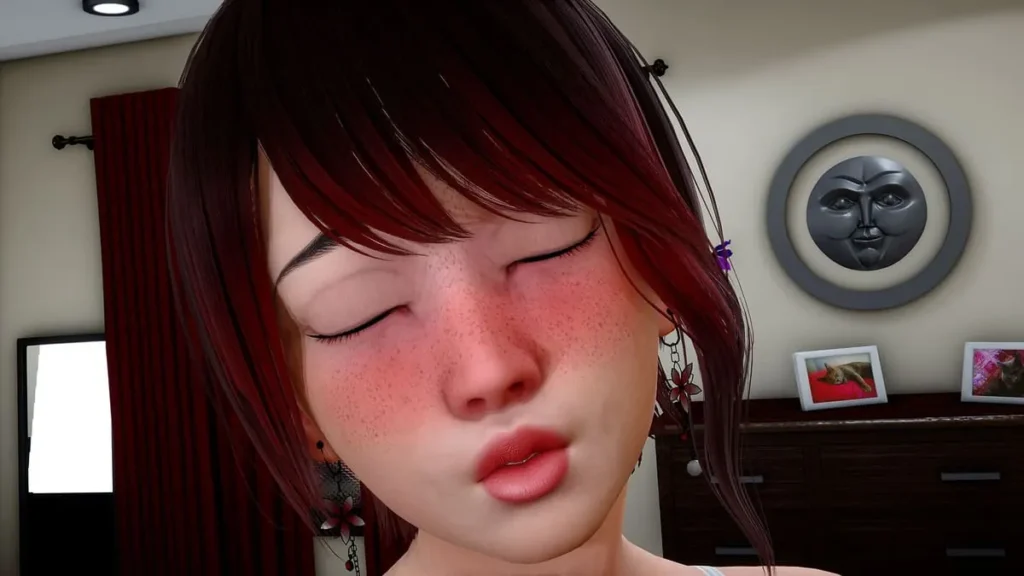
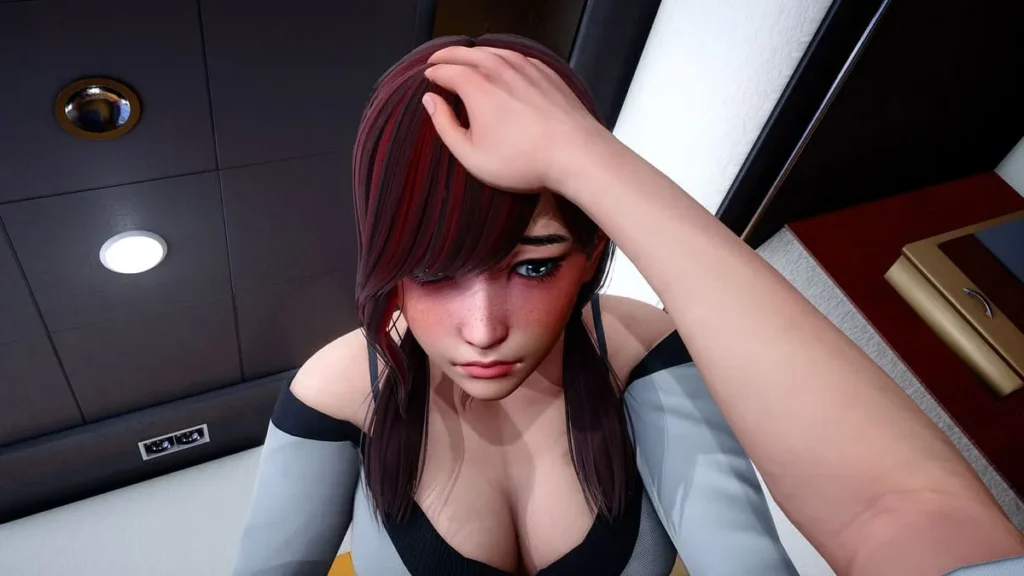
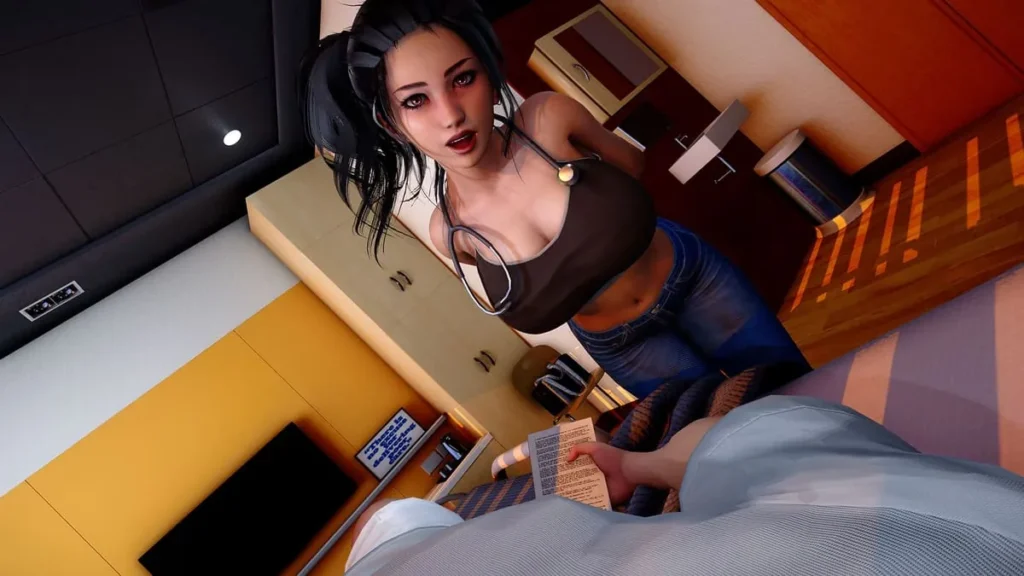
Between Humanity review
Dive into immersive choices, story, and gameplay in this captivating visual novel
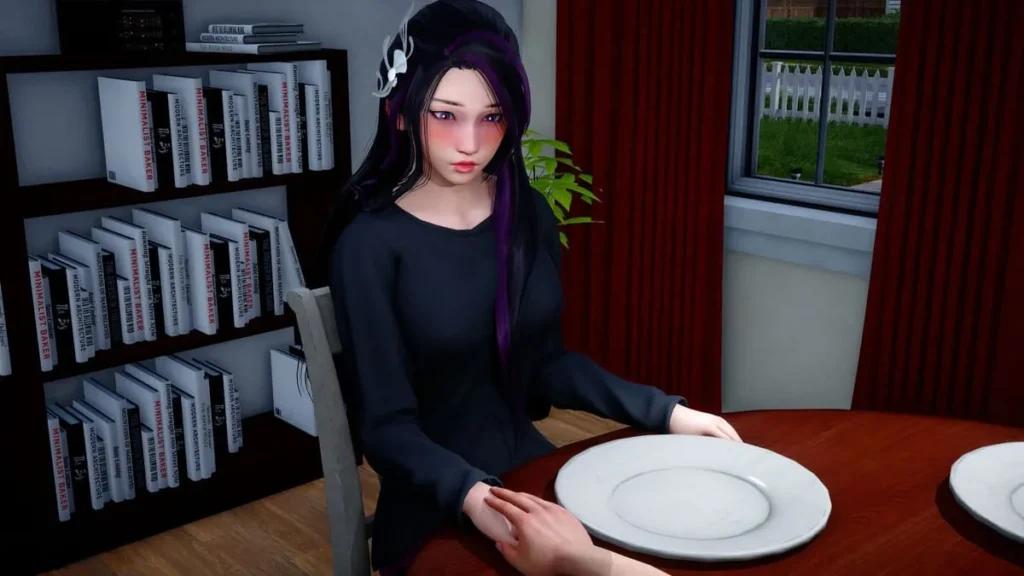
Ever woken up in a hazy hospital room, piecing together a life that’s suddenly upended? That’s the gripping hook of Between Humanity, the narrative-driven visual novel by DebatingPanda that’s taking players by storm. Set in a near-future dystopia just five years ahead, you play as the protagonist returning to your best friend’s home amid family tensions and life-altering choices. Every decision ripples through relationships with her mother, sister, and others, blending deep storytelling with interactive drama. In this guide, I’ll share my 50+ hours of playtime insights, from core mechanics to tips for maxing out paths. If you’re ready to shape destinies in Between Humanity, let’s jump in—your next choice awaits.
What Makes Between Humanity Gameplay So Addictive?
I still remember my first real moment of panic in Between Humanity. It wasn’t a monster attack or a supply raid. It was a simple prompt, just text on a screen, but it felt like a physical weight: Your sister is coughing violently in the bunk room. Kiran, the group’s medic, needs help gathering herbs before sundown to make medicine. Who do you help? The timer at the bottom of the screen ticked down from 10 seconds. My heart raced. Family? Or the only person who could potentially save many? That frantic, gut-wrenching pressure is the heart of the Between Humanity gameplay experience. This isn’t a game you just play; it’s a world you nervously inhabit, where every click carries the weight of conscience and consequence. 😰
What makes it so utterly absorbing is that it masters the art of meaningful tension. You’re not just managing health bars and inventory slots; you’re managing hope, guilt, and the fragile threads of trust. The genius of Between Humanity mechanics is how they transform simple dialogue options into emotional survival tools. You’re always on the brink, and that’s precisely where the game wants you.
How Do Choices Shape Your Between Humanity Journey?
Think of your save file not as a progress bar, but as a living, breathing personality you’re sculpting through crisis. Every decision, big or small, feeds into a profound choice echo system. That canned food you quietly gave to the shy teenager in Act I? They remember. In Act III, when a mob accuses you of hoarding, that teenager might be the lone voice that speaks up in your defense—or, if you ignored them, they might slip a knife from their pocket and join the accusers. ✨
The game’s core philosophy is that there are no “right” Between Humanity choices, only yours. The narrative branches not with dramatic, obvious forks, but with thousands of tiny capillaries, each influencing character disposition, available options, and even the location of crucial resources. A harsh word can lock a door forever. A moment of kindness can unlock a secret path. This is where the Between Humanity relationship dynamics truly shine; characters aren’t quest-givers waiting patiently for you. They have their own memories, their own interpretations of your actions, and their alliances shift on a trust matrix you can feel but never fully see.
I learned this the hard way. Early on, during a freezing night, I had a spare blanket. The logical choice was to give it to the sentry on duty. Instead, on a whim, I gave it to Elara, a character who seemed perpetually cold and withdrawn. It felt like a tiny, insignificant act of compassion. Weeks later (in game time), when a critical medicine supply went missing, all evidence pointed to me. Elara, the quiet one, stepped forward. She didn’t have proof, but her vehement, emotional testimony about the “person who shared their last bit of warmth” convinced the group to investigate further, uncovering the real culprit. My micro-choice had woven a thread of loyalty that literally saved my life. 🧶
Key Mechanics: Time-Locked Decisions and Relationship Dynamics
The Between Humanity gameplay loop is a beautiful, stressful symphony of interlocking systems. It’s not enough to know what to choose; you must often decide how fast you can choose. Let’s break down the engines driving this immersive experience.
First, the time-locked decisions Between Humanity employs are its most infamous and effective tool. These aren’t just “quick-time events.” When a character asks you a fraught question and a 10-second counter appears, the game is simulating the pressure of a real, high-stakes conversation. You can’t google the outcome. You must rely on your gut understanding of the characters and your own moral compass. Hesitation is a choice in itself, often read as evasion or guilt by the NPCs.
Beyond timed pressures, the world lives without you. Characters follow dynamic NPC routines—they eat, sleep, patrol, and, crucially, scheme on their own schedules. Miss a crucial conversation because you were out scavenging during their lunch break? That opportunity might be gone. This makes the Between Humanity relationship dynamics feel authentic. You must actively engage with people, learning their habits and finding moments to connect.
Exploration yields memory fragments—shards of text, audio logs, or objects that slowly piece together the apocalyptic past and the personal histories of your companions. These aren’t just lore collectibles; they provide critical context that can unlock new dialogue options and help you understand why a character reacts a certain way to a specific word or topic.
Finally, adaptive crafting forces you to think creatively. Resources decay, and blueprints adjust based on what you have. That “Healing Salve” recipe might become “Weak Antiseptic” if you’re missing key components, affecting its potency and how characters perceive your usefulness.
To see how these systems work together, here’s a quick overview:
| Mechanic | How It Works | Player Impact |
|---|---|---|
| Time-Locked Choices | Critical dialogue options expire in 10-30 seconds of real time. | Creates authentic panic, eliminates second-guessing, and makes conversations feel urgent and real. |
| Trust Matrix | A hidden system where NPCs remember micro-choices and adjust their loyalty independently. | Shifts alliances unpredictably; a friend can become a rival based on accumulated actions, not just major plot points. |
| Dynamic NPC Routines | Characters have daily schedules (sleep, work, leisure) they follow autonomously. | Forces strategic social planning. You must “catch” characters at the right time for crucial conversations. |
| Choice Echo System | Early, seemingly minor decisions are remembered and referenced in later acts, altering scenarios. | Creates a deeply personalized narrative where no two playthroughs have the same contextual moments. |
| Dialogue Webs | Conversations are branching mini-games where tone, topic order, and honesty are all tracked. | Turns every chat into an emotional puzzle where building rapport is as important as the information gained. |
Tips for Mastering Between Humanity Story Progression
So, how to play Between Humanity without being overwhelmed by its beautiful complexity? You can’t “win,” but you can survive with your humanity—and your favorite characters—intact. Here are my hard-earned Between Humanity tips for crafting a meaningful journey. 🧭
Prioritize Exploration Early: Don’t rush the main plot triggers. The world is littered with memory fragments and decaying resources. Early-game exploration sets you up with crucial backstory and crafting materials that become scarce later. Knowledge of the past is often the key to navigating the present.
Become a Schedule Stalker: Spend a day or two just observing. Note when key characters are alone, awake, and approachable. Trying to have a heart-to-heart with someone during their guard shift or while they’re eating with friends will likely fail. Tracking NPC routines is the single biggest social skill you can develop.
Balance Resource Diplomacy: In gray zone decisions, ask: “Is this resource more valuable as an object or as a gesture?” Giving your last antibiotic to a dying outsider might seem foolish, but if it earns the unwavering loyalty of a powerful ally in their group, it was a strategic masterstroke. The trust matrix often values generosity over hoarding.
Embrace the Panic of Time-Locks: Don’t fight the stress of time-locked decisions Between Humanity throws at you. Your first instinct is usually the most “true” to the character you’re role-playing. These moments are designed to reveal who you are under pressure, and that’s where the most authentic, memorable stories are born.
Talk to Everyone, Repeatedly: Between Humanity relationship dynamics evolve. A character who was hostile in Week 1 might open up in Week 3 after a shared event. Revisit conversations. New options will appear based on story progress and your growing (or diminishing) trust.
Ultimately, Between Humanity gameplay succeeds because it makes you care deeply about the consequences of your digital actions. It’s a game about the space between people—the fragile connections, the misunderstandings, the silent loyalties, and the devastating betrayals that define us in extremis. Your goal isn’t to see a “Good Ending” screen; it’s to look back at your journey and recognize the person you chose to become in the darkness.
Your Between Humanity Questions, Answered 🤔
What happens if I miss a time-locked choice?
The game doesn’t pause or default to a “safe” option. Silence, or letting the timer run out, is a choice in itself. The character will react to your non-answer—often with disappointment, suspicion, or they’ll make a decision for you, usually one that benefits their own interests.
Is there a way to “max out” trust with every character?
Almost certainly not, and that’s by design. Characters have conflicting values and desires. Gaining the absolute trust of a strict, rule-enforcing leader will often require actions that alienate a more rebellious, freedom-loving member. You must choose whose respect matters most to your survival strategy.
How critical is crafting? Can I ignore it?
You cannot ignore it entirely. While you might not need to craft every item, adaptive crafting is a primary path to solving problems, healing, and gaining favor. Being able to create a needed item from scraps is a powerful way to influence Between Humanity relationship dynamics and prove your worth to the group.
Should I reload saves if a choice goes badly?
I strongly recommend against it on your first playthrough. The magic of Between Humanity is living with your mistakes and unforeseen consequences. A “bad” outcome often leads to the most unique, dramatic, and emotionally resonant story threads. Save-scrubbing turns a living story into a puzzle to be solved.
Between Humanity isn’t just a game—it’s a mirror to our toughest decisions, wrapped in a dystopian tale of fractured lives and fragile bonds. From those heart-pounding time-locked choices to the emotional echoes that redefine relationships, my time with it (over 50 hours and counting) reshaped how I view interactive stories. Whether you broker peace in a war-torn world or navigate family tensions at home, every path feels earned and profound. Dive in today, experiment with bold choices, and see who you become. Grab the latest version from DebatingPanda, hit play, and let the ripples begin—your story in Between Humanity starts now.