Play All the Darkest Places
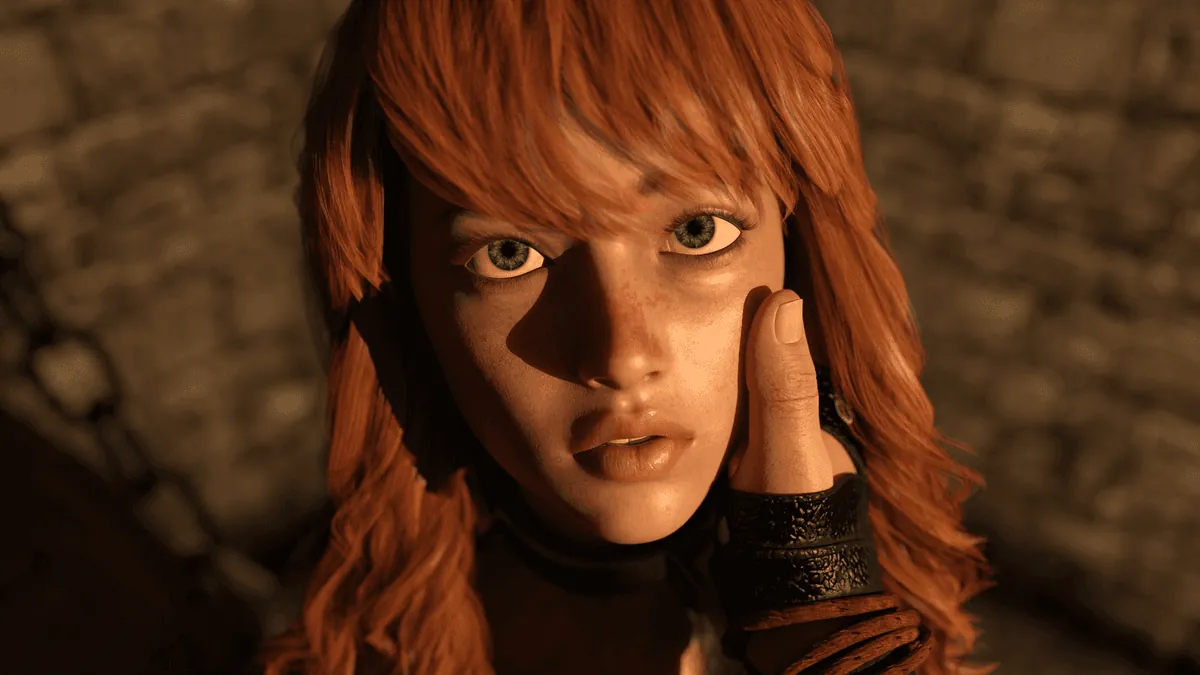
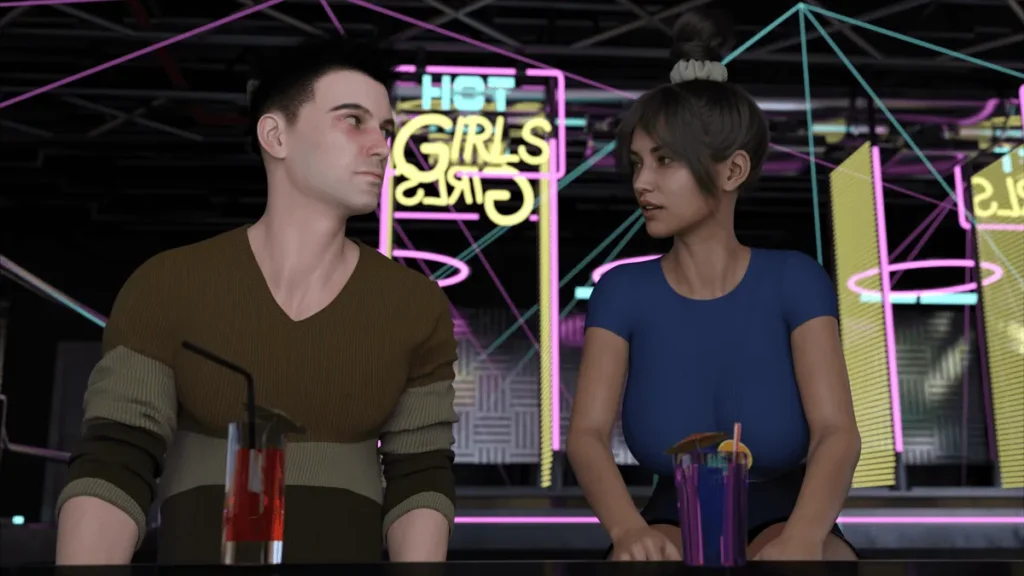
All the Darkest Places Screenshots
















All the Darkest Places review
Explore the narrative depth, gameplay mechanics, and character development in this indie adventure title
All the Darkest Places stands as a unique entry in the indie game landscape, offering players a complex narrative experience centered around identity, choice, and psychological exploration. This game weaves together multiple gameplay systems with an intricate storyline that challenges conventional narrative structures. Whether you’re a seasoned player or curious about what makes this title distinctive, understanding its core mechanics, thematic elements, and character arcs provides valuable insight into modern indie game design. Our comprehensive guide explores every facet of this ambitious project, from its innovative identity mechanics to its elaborate plot structure.
Understanding the Core Narrative and Thematic Elements
If you’ve ever played a game that made you question who you really are, you’ll know that feeling—a lingering unease that sticks with you long after you’ve closed the game. Most narratives treat identity as a fixed trait, a starting point for a hero’s journey. All the Darkest Places does the opposite. It picks up identity, holds it to the light, and asks, “What if this is all just a story we tell ourselves?” 🧩 This isn’t just a theme; it’s the very fabric of the experience, woven into every choice, character, and supernatural twist. The All the Darkest Places narrative is a masterclass in using interactive mechanics to explore profound philosophical questions, making it a standout example of ambitious indie game narrative design.
At its heart, this is a game about CJ, a young man returning to his hometown, only to be ensnared in a web of supernatural events involving childhood friends and mysterious, powerful goddesses. But to call it a simple homecoming story would be a massive understatement. The true protagonist here is the concept of identity itself, constantly tested, fractured, and reshaped. Let’s pull back the curtain and explore how this game builds its unforgettable story.
The Identity Crisis: Central Theme Exploration
From the moment you start playing, All the Darkest Places establishes that nothing about a person is solid. Your sense of self is the first thing on the chopping block. This is where the game’s genius as an identity mechanics game truly shines. It doesn’t just tell you identity is fluid; it makes you live through that instability with a toolbox of bewildering, brilliant mechanics.
Think about the last time you made a hard decision that made you wonder, “Was that really me?” This game takes that feeling and turns it into a gameplay system. The central identity mechanics game loop involves managing, merging, and sometimes losing the very building blocks of who your characters are.
Here are the core tools the game uses to dismantle the self:
-
Bodyjacking Gameplay: This is your first major introduction to instability. You don’t just control CJ; you can find yourself suddenly seeing the world through the eyes of another character. This isn’t a simple possession. It’s a violent, confusing, and often terrifying hijacking of another person’s life, motor functions, and memories. The bodyjacking gameplay forces you to act and make choices as someone else, blurring the lines between where “you” end and “they” begin. It’s a direct challenge to the idea that identity is housed solely in one physical form.
-
Personality Splitting Mechanics: What happens when the pressure is too much? A person can splinter. The personality splitting mechanics allow characters to develop distinct, autonomous alters or “headmates” as a coping mechanism. You’re not just managing one character’s stats or dialogue options; you’re negotiating between multiple consciousnesses sharing one body, each with its own desires, fears, and agendas. It’s a poignant and respectful exploration of psychological fragmentation.
-
Merging and Tulpas: On the flip side of splitting, the game explores synthesis. Can two fractured identities merge to form a new, more stable whole? Furthermore, it introduces the concept of tulpas—thoughtforms so powerful and independent they gain their own reality. This asks whether an identity born purely from belief and perception is any less “real” than one born of flesh and blood.
-
Image-Based Identity: Perhaps one of the most clever twists is how the game uses social perception. How others see you—their mental image of you—can literally reshape you. Your identity becomes a collaborative project between your internal self and the external world’s expectations, a terrifyingly relatable concept.
My Personal Take: Playing with these systems made me profoundly uncomfortable in the best way. During a key bodyjacking gameplay segment, I had to use a friend’s body to sabotage their own relationships. The cognitive dissonance was staggering. It wasn’t “me” doing it, but my actions had real, painful consequences for them. It perfectly illustrates the game’s core question: If you act like someone, even under duress, does that action become part of who you are?
This entire toolbox exists to explore one idea: identity is not a possession, but a process. It’s a negotiation between memory, body, trauma, and social role. The All the Darkest Places narrative uses its interactive nature to make you feel that process breaking down in real-time.
Plot Structure and Four-Part Goddess Arc
If the identity mechanics are the “how,” the goddesses are the “why.” The All the Darkest Places plot structure is elegantly divided into four distinct sections, each orchestrated by a different goddess with her own motives, personality, and arc. This isn’t a random anthology; it’s a carefully escalating ladder of narrative complexity, with each goddess presenting a deeper, more intimate challenge to CJ’s—and by extension, the player’s—understanding of self.
This goddess arcs storyline provides the perfect vessel for the game’s themes. Each goddess represents a different facet of identity crisis, and her arc employs specific mechanics to explore it.
The Purple Goddess: The Bodyjacking Mystery 🟣
The first arc acts as your narrative and mechanical tutorial. The Purple Goddess’s domain is the physical self and violation. Her mystery revolves around a series of invasive bodyjackings that terrorize the town. The narrative challenge here is classic but effective: a whodunit. But the mechanical challenge is learning to navigate the disorientation of bodyjacking gameplay.
- Example: Early on, CJ is “pulled” into the perspective of a friend mid-conversation. You, the player, are suddenly controlling them. You hear their internal monologue, feel their anxiety, and must choose their dialogue responses to gather clues—all while hiding your presence from them. This isn’t just a cool trick; it establishes the core stakes. Identity can be stolen. Autonomy is fragile. The mystery’s resolution often hinges on understanding who was in control when, making you scrutinize every character’s behavior for signs of foreign agency.
The Yellow Goddess: The Chessmaster’s Game 🟡
Next, the game shifts from physical violation to social manipulation. The Yellow Goddess is a puppeteer, orchestrating an elaborate arranged marriage plot. Here, the identity mechanics game focuses on social roles and expectations. You must navigate a labyrinth of alliances, deceit, and strict social codes. Your identity becomes a performance, a mask you wear to survive a deadly game of social chess. The challenge is less “who am I?” and more “who must I pretend to be to achieve my goals?”
The Third Goddess: The Weight of Motherhood ⚪
This arc deepens the emotional resonance, focusing on creation, responsibility, and legacy. The goddess’s storyline is intensely personal, dealing with themes of nurturing, sacrifice, and what we pass on to others—be it children, traditions, or trauma. The mechanics here often involve personality splitting mechanics and merging, reflecting the fragmentation that can come from immense pressure and the synthesis required to care for another. It asks if our identities are shaped more by what we create or what we are forced to bear.
The Fourth Goddess: The Labyrinth of the Self 🔵
The final act is where all threads converge in an elaborate, complex storyline. This goddess’s arc is the most philosophical and psychologically dense, dealing with the very architecture of reality and self. It pulls together every mechanic—bodyjacking, splitting, tulpas, image-based identity—into a climax that forces you to question the nature of your entire journey. The All the Darkest Places plot structure saves its most mind-bending questions for last, ensuring the narrative payoff is as intellectually satisfying as it is emotional.
This structured approach to the goddess arcs storyline prevents the game from feeling like a chaotic mess. Instead, it’s a symphony, with each movement introducing new instruments and themes that build toward a grand finale.
| Goddess | Primary Theme | Key Mechanics | Narrative Challenge |
|---|---|---|---|
| Purple | Bodily Autonomy & Violation | Bodyjacking, Mystery Solving | Unraveling a whodunit to stop physical hijacking. |
| Yellow | Social Performance & Manipulation | Social Role-Playing, Alliance Building | Surviving a deadly game of social chess and arranged plots. |
| Third Goddess | Creation, Sacrifice & Legacy | Personality Splitting/Merging, Nurturing Systems | Managing fragmentation under pressure and the weight of responsibility. |
| Fourth Goddess | Reality & Foundational Self | Synthesis of All Mechanics (Tulpas, Images, etc.) | Confronting the core nature of identity and narrative itself. |
Character Development and Psychological Depth
A clever All the Darkest Places plot structure and innovative personality splitting mechanics would mean little without characters we care about. This is where the game’s human heart beats the strongest. It masterfully balances extreme supernatural concepts with grounded, messy, and deeply human drama.
CJ is our lens, but he is far from a blank slate. His return home is steeped in nostalgia, regret, and unresolved history. His relationships with his childhood friends—each dealing with their own traumas and secrets—form the emotional bedrock of the story. The supernatural events don’t replace this human drama; they exacerbate it, acting as a pressure cooker that forces buried feelings and hidden truths to the surface.
The true brilliance of the All the Darkest Places narrative lies in how character development is directly tied to the identity mechanics. A character doesn’t just “change their mind” through dialogue.
- Development Through Splintering: When a character undergoes severe stress, the personality splitting mechanics might activate. Watching a friendly, gentle character develop a sharp, protective alter is a visceral form of development. You’re not being told they’re struggling; you’re meeting the manifestation of that struggle.
- Development Through Merging: Conversely, a moment of healing or profound understanding might be represented by two fractured selves choosing to merge. This isn’t a simple “they got better” message. It’s a complex, often bittersweet, loss of one identity to create a new, hopefully stronger one.
- Development Through Others’ Eyes: The bodyjacking gameplay offers the ultimate empathy tool. You don’t just hear about a character’s pain; you briefly inhabit it. You feel the texture of their anxiety, the weight of their memories. This creates a bond and understanding between player and character that traditional exposition simply cannot match.
The game also deftly navigates the fine line between complexity and complication. A complicated story is just a tangled web of plot points. A complex story finds depth in the motivations and intersections of its characters. All the Darkest Places achieves the latter. Every elaborate plot twist orchestrated by a goddess is rooted in a human emotion: jealousy, love, fear, a desire for connection, or a need for control. The supernatural is just the language; the conversation is profoundly human.
In the end, the All the Darkest Places narrative succeeds because it makes its grand philosophical inquiry inescapably personal. You aren’t pondering the nature of identity from a distance. You’re fighting to hold yours together, mourning when others lose theirs, and questioning every victory. It’s a demanding, emotional, and ultimately unforgettable journey that redefines what an indie game narrative design can aspire to be. It shows us that the darkest places aren’t just locations in a story—they’re the unexplored corners of our own selves.
All the Darkest Places represents an ambitious exploration of identity through interactive storytelling, combining innovative mechanics with elaborate narrative construction. The game’s four-part structure, centered around distinct goddess arcs, creates a framework for examining how identity shifts, external perception, and supernatural influence shape character development. While the narrative’s complexity occasionally borders on complication, the thematic consistency and character-driven moments provide meaningful engagement for players seeking deeper indie experiences. The protagonist’s power-granting ability and the moral ambiguities woven throughout create a unique gameplay experience that rewards careful attention to character motivations and narrative details. For those interested in narrative-driven games that challenge conventional storytelling structures, All the Darkest Places offers a distinctive journey worth exploring.