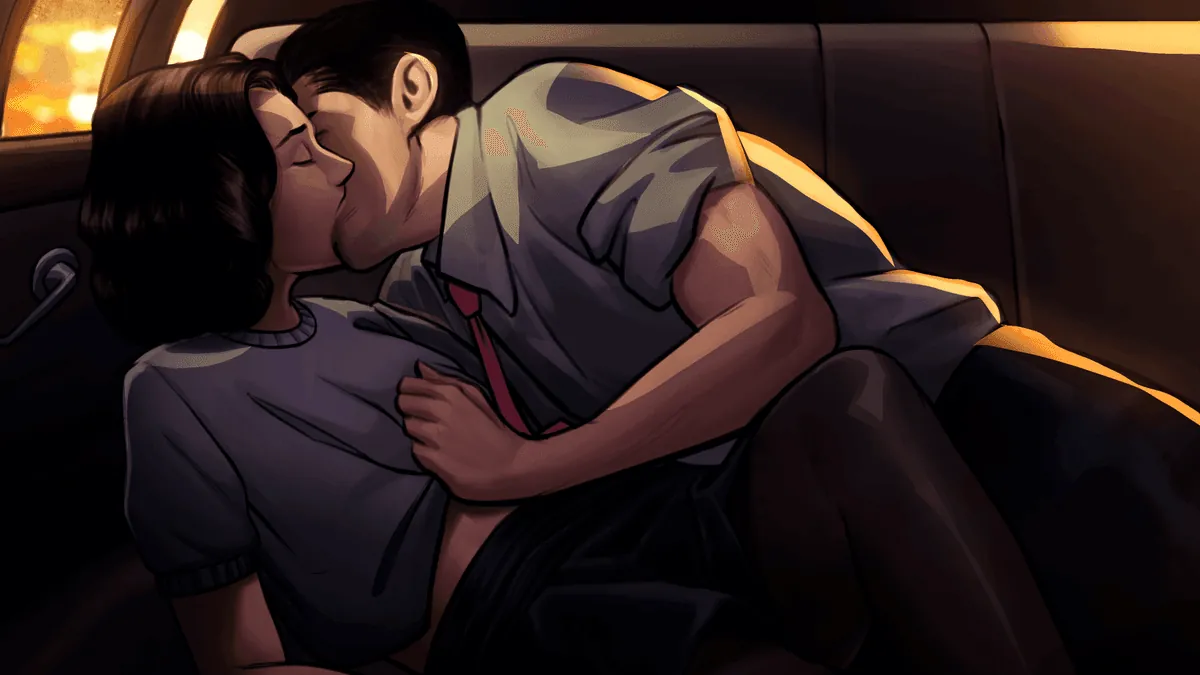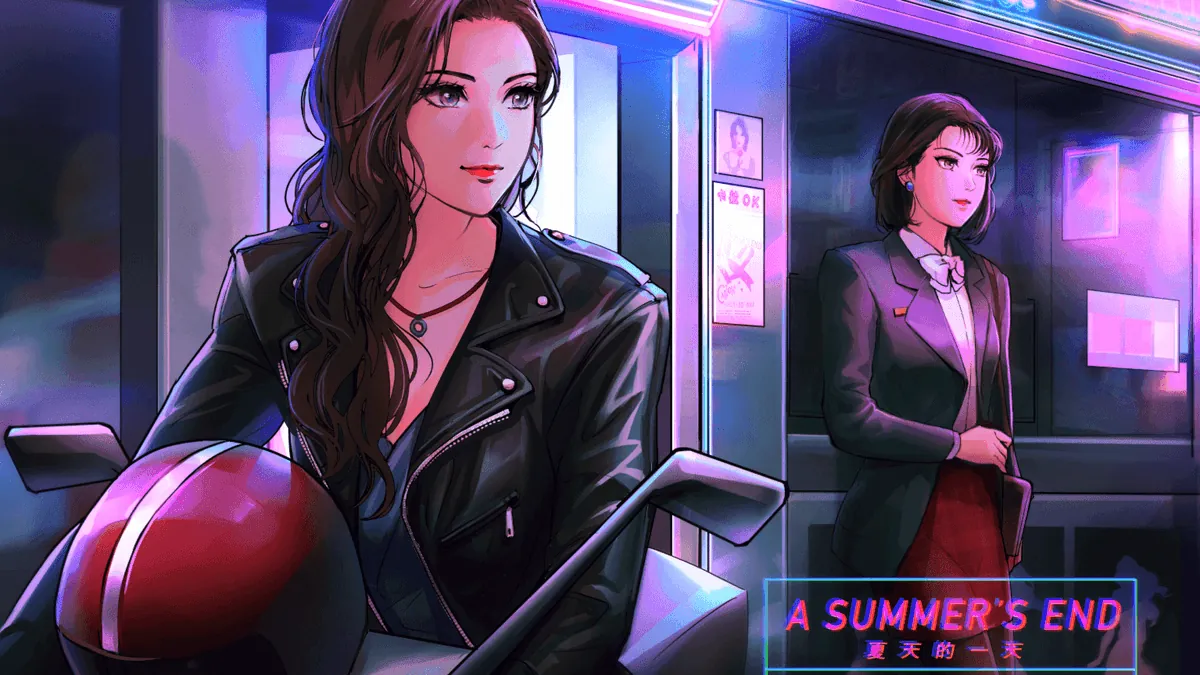
A Summer’s End – Hong Kong, 1986
Play A Summer’s End – Hong Kong, 1986
A Summer’s End – Hong Kong, 1986 Screenshots







A Summer’s End – Hong Kong, 1986 review
Explore the heartfelt romance and vibrant 1980s visuals of this captivating visual novel
Imagine stumbling upon a chance encounter in the bustling streets of 1986 Hong Kong that sparks a tender romance between two women navigating love, identity, and family pressures. A Summer’s End – Hong Kong, 1986 draws you into this lush visual novel with its stunning 80s anime-inspired art and vaporwave soundtrack. Follow Michelle and Sam’s evolving bond amid Sai Kung seascapes and Mong Kok neon lights. Whether you’re drawn to the emotional depth or the optional intimate scenes via the adult patch, this game offers two endings that linger long after. Dive in for a nostalgic journey blending culture, heartfelt dialogue, and personal discovery.
What Makes A Summer’s End Hong Kong 1986 Unforgettable?
I remember the first time I booted up A Summer’s End – Hong Kong, 1986. It was a dreary, wet evening, and within minutes, the pixelated rain on my screen and the synthwave sounds completely erased my surroundings. I wasn’t in my living room anymore; I was transported. The neon glow of a 1980s Hong Kong signage, the hum of a crowded dai pai dong, the specific tension of a city balanced between tradition and explosive modernity—it all washed over me. That’s the magic of this visual novel romance. It doesn’t just tell you a story; it carefully, beautifully, immerses you in a time, a place, and most importantly, in the hearts of its two leads. This chapter is all about why this experience sticks with you long after the credits roll.
Who Are Michelle and Sam and Why Do They Resonate? 🏙️👭
At the core of this unforgettable journey are Michelle and Sam. Their story isn’t just a checkbox for representation; it’s a nuanced, character-driven exploration that feels deeply personal. You don’t just watch their connection unfold—you feel every hesitant glance and shared silence.
Michelle is someone many of us can see a part of ourselves in. She’s a mid-level office worker, competent and somewhat reserved, navigating the expectations of her traditional family. Her world is ordered, perhaps a little stifled. Then, there’s Sam. 🎨 She’s the brilliant contrast—a free-spirited, independent artist who runs a small gallery. She’s confident in her skin in a way that both attracts and terrifies Michelle.
Their first meeting is a perfect catalyst. It’s not overly dramatic, but it’s charged with an unspoken possibility. The Michelle and Sam story develops through these wonderfully authentic interactions. You guide their conversations, and it’s in the quiet moments—sharing a drink, discussing art, worrying about family—that their bond deepens. The game masterfully captures the slow, sometimes scary, process of opening up to someone who challenges your entire worldview.
What makes them resonate is their authenticity. Michelle’s internal conflict isn’t just about romance; it’s about identity, familial duty, and cultural pressure. Sam’s strength isn’t portrayed as effortless; it’s a hard-won armor. Together, they craft a queer love story 1980s that acknowledges the era’s social constraints without letting them define the narrative’s heart. It’s a story about finding the courage to choose your own happiness, and that’s a universal chord it strikes flawlessly.
How Does the 1986 Hong Kong Setting Bring the Story Alive? 🌃🎇
The Hong Kong 1986 setting is far more than a pretty backdrop. It’s a vital, breathing character in its own right. The developers at Oracle and Bone didn’t just create generic “Asian city” visuals; they poured love into recreating the specific texture of a pivotal moment in Hong Kong’s history.
The Sai Kung Mong Kok visuals represent the two souls of the city. Sai Kung, with its fishing villages, tranquil piers, and sprawling country parks, offers moments of respite and reflection. The art here is all soft watercolor washes and serene seascapes—it’s where Michelle and Sam can breathe and be themselves away from prying eyes. Contrast this with the electric pulse of Mong Kok. Here, the game dazzles with cramped market streets, vibrant neon signs advertising electronics and teas, and the chaotic, delicious energy of street food stalls. Every frame is packed with detail, from period-accurate advertisements to the specific models of cars on the road.
This setting directly impacts the Michelle and Sam story. The cultural tension of 1980s Hong Kong—caught between colonial influence and Chinese heritage, between conservative values and burgeoning modernity—mirrors Michelle’s own inner conflict. The noise of the city underscores her anxiety; its hidden quiet corners symbolize the peace she finds with Sam. It’s a masterclass in environmental storytelling. You’re not just told about the pressures they face; you see and feel them in every meticulously drawn street scene and overheard conversation. This immersive world is what makes A Summer’s End – Hong Kong, 1986 such a transportive experience.
What Are the Two Endings and How Do You Unlock Them? 🔑💔
Like any great visual novel romance, your choices matter, shaping the trajectory of Michelle and Sam’s relationship. The game operates on a subtle point system, where key dialogue choices either build or strain their connection. Understanding this is key to getting the conclusion you’re hoping for.
The heart of the game endings explained comes down to a final, crucial choice. But the path to that moment is paved with your earlier decisions. To nurture their relationship, you must consistently choose responses that show Michelle being open, supportive, and brave in the face of her doubts. Standing up for Sam, sharing personal feelings, and choosing to spend time with her are all vital.
Here’s a practical breakdown of the major branching points and their impact:
| Character / Situation | Key Choice Philosophy | Impact on Relationship |
|---|---|---|
| Michelle’s Mindset | Choose options where Michelle is introspective, acknowledges her growing feelings, and challenges her own fears. | Builds internal courage and self-awareness, essential for the final leap. |
| Interactions with Sam | Opt for genuine, curious, and affectionate responses. Support her art and her perspective on the world. | Directly increases closeness and trust, unlocking tender bonus scenes. |
| Handling Family & Joey | While complete rebellion isn’t always needed, prioritize Sam’s feelings over simple obedience or appeasing others. | Protects the relationship from external pressures and defines Michelle’s priorities. |
| The Final Decision | This is the ultimate test of everything you’ve built. One path requires courage, the other retreat. | Leads directly to either the True Ending or the Bad Ending. |
Now, let’s talk about those conclusions without giving away every beautiful detail.
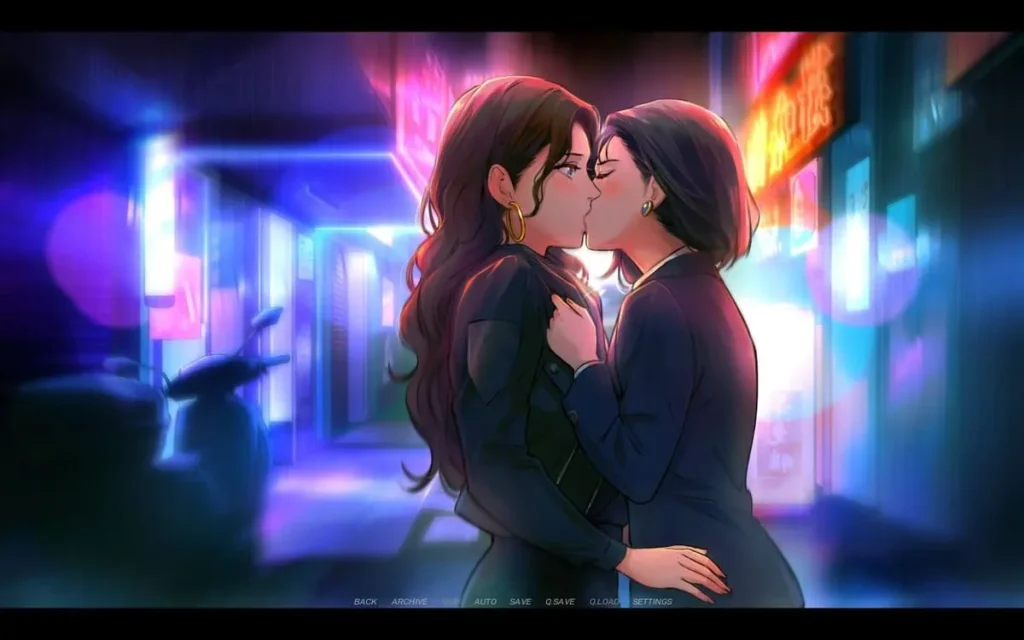
The True Ending is the full, emotional payoff. If you’ve made choices that strengthen their bond, Michelle finds the strength to embrace her heart’s desire. It culminates in a scene that is both iconic and deeply satisfying—think of that rainy kiss, a moment of perfect cinematic resonance that answers all the built-up yearning. It’s a testament to choosing love, despite and because of all the complications.
The other path, often called the Bad Ending, is poignant in its own right. If Michelle’s choices have been swayed by fear, duty, or uncertainty, the story concludes on a note of separation. Paths diverge. It’s not necessarily dramatic, but it’s heartbreakingly realistic—a story of what might have been, highlighting the cost of not being true to oneself. And yes, Joey, the “nice guy” suitor pushed by Michelle’s family, remains a symbol of the conventional life path she could choose, making Sam’s path shine all the brighter as one of authentic passion.
My Personal Tip: Don’t try to “game” the system on your first playthrough. Be true to how you feel in the moment. That first, authentic journey is the most powerful. You can always replay for the other ending!
FAQ: Your Quick Questions Answered
-
How do I get the true ending? 🏆
Focus on consistency. Throughout the game, whenever Michelle is given a choice to be open with Sam, to defend their relationship, or to follow her own heart over family expectation, take it. The game rewards emotional bravery. In the final, decisive moment, you must choose the option that represents committing to that bravery without looking back. -
Is the adult patch necessary? 🔞
Absolutely not. The core game is a complete and profoundly moving experience focused on emotional intimacy and storytelling. The optional patch adds explicit scenes, but the narrative’s power, character development, and romantic payoff are fully contained in the base game. The queer love story 1980s is told with such tenderness and respect that the patch feels additive rather than essential.
This visual novel romance lingers because it combines all these elements into a cohesive, heartfelt whole. To wrap up, here are the key features that, in my opinion, make A Summer’s End – Hong Kong, 1986 a standout masterpiece:
- A Landmark Queer Narrative: Presents a queer love story 1980s with authenticity, respect, and deep emotional resonance, avoiding cliché or exploitation.
- Breathtaking Hand-Drawn Art: Every scene is a painting, perfectly capturing the Sai Kung Mong Kok visuals and the entire Hong Kong 1986 setting with stunning period detail.
- An Immersive Synthwave Soundtrack: Featuring legendary artists like Timecop1983 and a brilliant score by Power Glove, it audibly transports you to the era.
- Meaningful Player Agency: Your choices in dialogue genuinely affect the closeness between Michelle and Sam, unlocking bonus scenes and determining the final outcome.
- Rich Cultural & Historical Texture: The game doesn’t just use Hong Kong as a backdrop; it weaves the city’s unique 80s social dynamics directly into the fabric of the Michelle and Sam story.
In the end, A Summer’s End – Hong Kong, 1986 is more than a game. It’s a time capsule, a love letter, and a deeply personal journey that reminds us of the universal need for connection and the courage it takes to seize it.
A Summer’s End – Hong Kong, 1986 masterfully weaves romance, culture, and self-discovery into a visual novel that feels intimately personal. From Michelle and Sam’s electric chemistry to the evocative 1980s Hong Kong backdrops, it leaves you reflecting on love’s quiet revolutions. I still replay that rainy kiss scene for the chills it gives. If you crave a story with heart, stunning visuals, and meaningful choices, grab the game, apply the adult patch for extra depth if it suits you, and let it sweep you away. What’s your ending? Share in the comments and relive the summer that never fades.